Showing posts with label Lasse Svendsen. Show all posts

3.6.22

High End 2022: Burmester 218 and 216


It took a long time time, but now two new amplifiers are ready.

According to Burmester’s sales manager, Thorsten Poenig, it has been almost impossible to make a successor to Burmester’s legendary 911 – not to be confused with the Porsche model of the same name.

In this context, for two decades the 911 has been perhaps Burmester’s most popular power amplifier. And the last step up the ladder before the 909, which, until the 159 was launched recently, was Burmester’s very best amplifier. Ever.

But for just as long there has been a price as well as a size gap between the 911 and the 909.
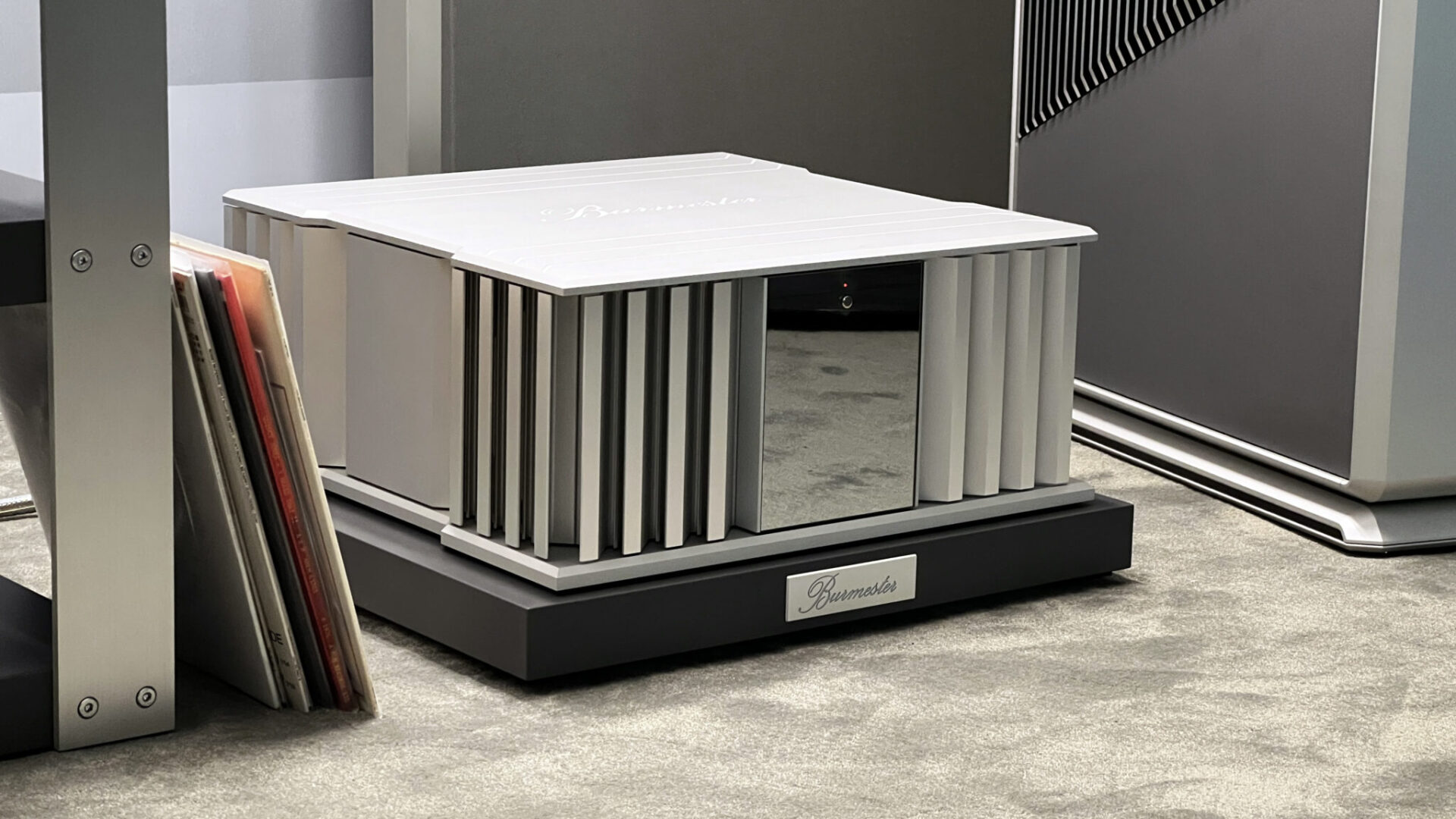


One of the reasons it has been so difficult to make a replacement for the 911, which is in its third and final edition, is that Dieter Burmester was convinced, while he was alive, that it was not possible to improve the amplifier. At all.

In that case, a complete redesign of the entire electronics would be necessary, and it was feared that the Burmester signature would disappear. In trying to recreate the legendary sound signature in a completely new circuit design, the baby could quickly be thrown out with the bath water.
But as Poenig also noted, the market very much wanted an amplifier that cost less than the 909 or 159, but in a cabinet that was about the same size as the 911 MK3. And that wish is now coming true.
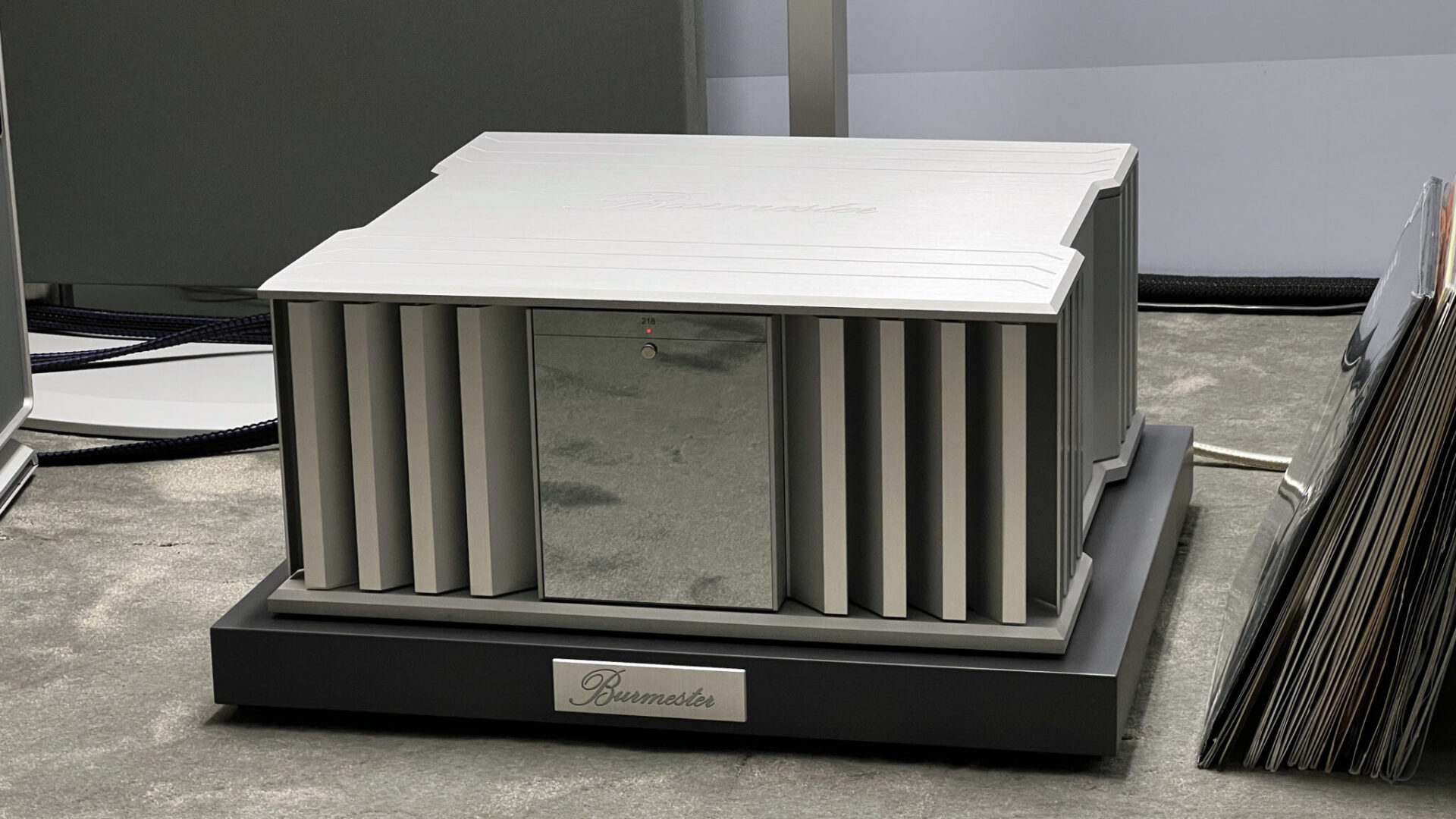


The new Burmester 218 and 216 have slightly larger casings than the 911 MK3. However, because they have managed to make the feet under the amplifier smaller, the height is the same as on the 911.

Shown here is the 218, and it’s two power amplifiers driving the relatively new BC150 speakers in the top and bottom photos. The BC150 is also the result of a desire for a more compact version of the huge flagship BC150.

The 218 and 216 are more or less built as scaled-down versions of the 159, which cost over a quarter million euros. Each. Poenig says they are confident that the Burmester sound of the two new amplifiers has been successfully preserved. It’s also pretty much the only thing they have in common with the 911 MK3. Everything else, apart from the familiar cabinet design, is new. Larger capacitors, DC-coupled without capacitors in the signal path and with a fully balanced circuit.
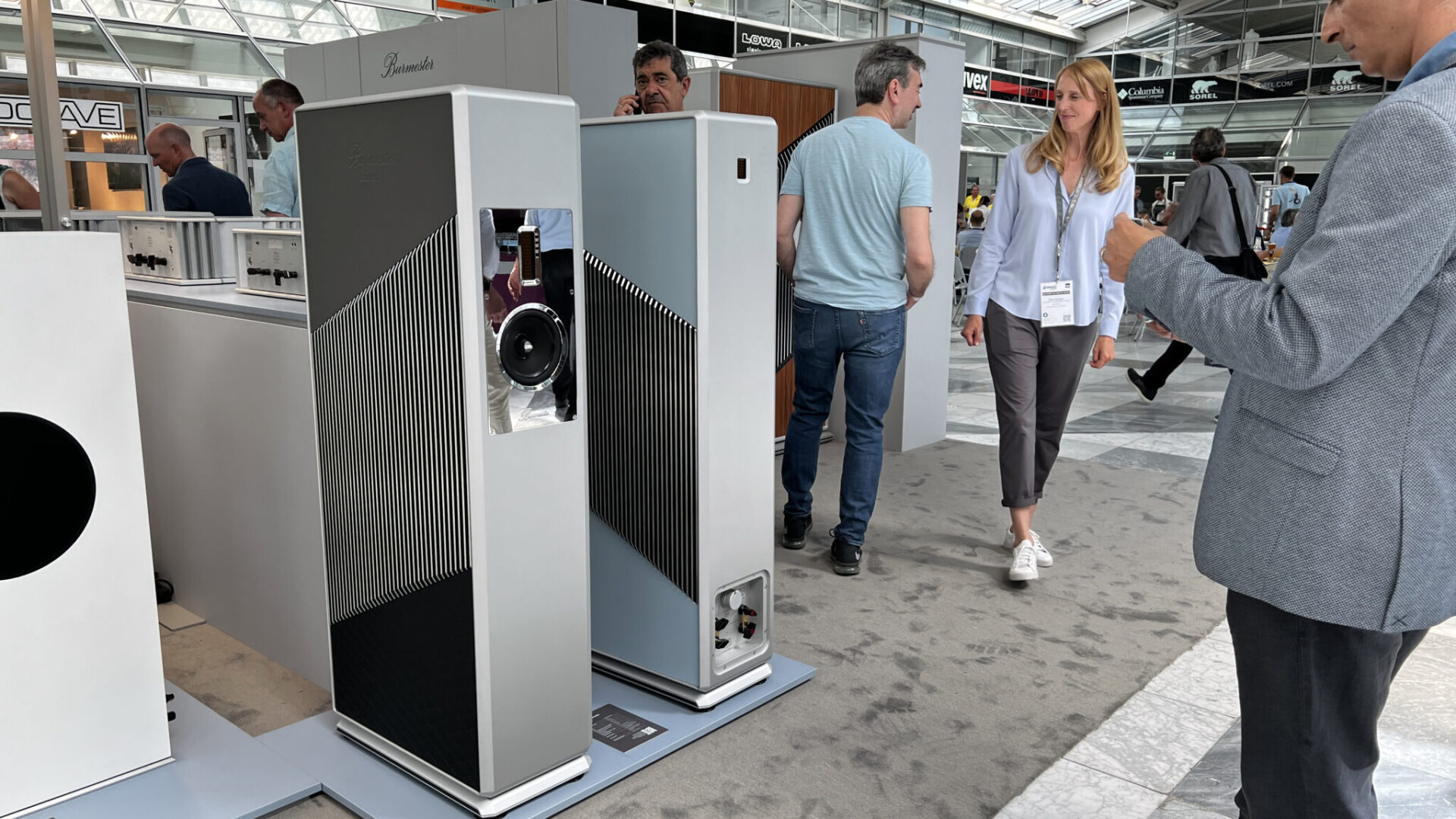


The input section of the amps uses Burmester’s X-Amp, which is their variant of Class A operation, but so far they haven’t specified any output power for either the 218 or 216, both of which can be used as stereo or mono power amps.

On the other hand, we do know the price. At least on the Burmester 218, which stands at 35,000 euros, while the 216 costs somewhat less (the exact price is not clear). The BC150 speakers cost 99,000 euros per pair.

Lasse Svendsen

UNITED PHOTO PRESS

1.6.22

High End 2022: Estelon Extreme mk II


Estonian Estelon has quickly become a household name in high-end environments. Ever since the XA model, they have shown that they dare to go their own way. 

The loudspeakers don’t look like much else out there, and some think they take it too far, but for Estelon the shapes are not just cosmetics. It’s also acoustics and technology.

Nowhere is that more evident than in the new Estelon Extreme mk II.

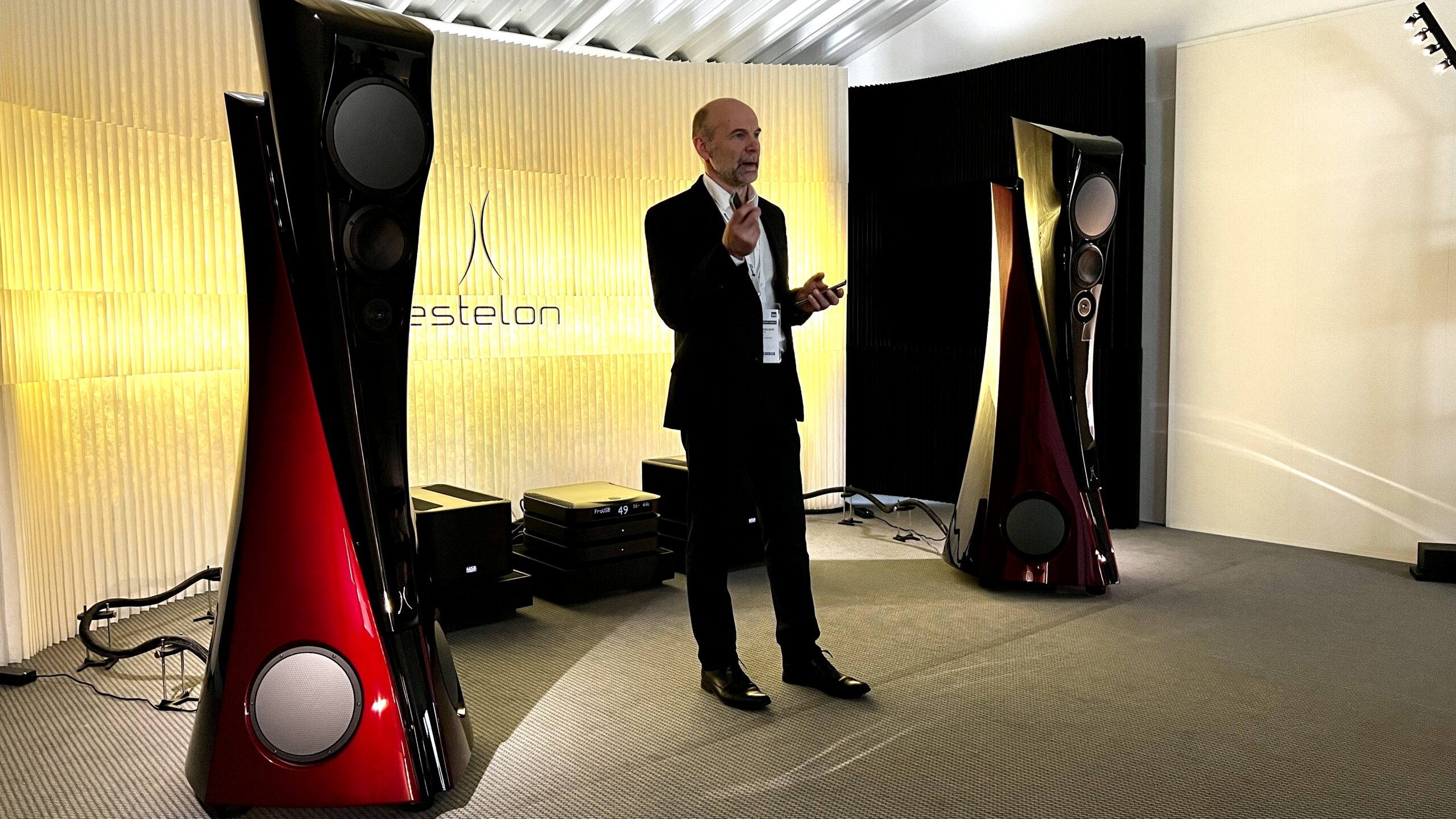
The huge five-drivers speakers split into two cabinets, one of which – the midrange cabinet – can be raised and lowered!


The tweeters, shown here in Midnight Opera, come with a remote control that controls the elevation of the midrange cabinet, and you can rotate the tweeter inwards using buttons on the same remote. Estelon says it allows the customer to customize the sweet spot of focus, depending on where in the room you’re sitting. Without having to move the 250 kg speakers.

Which features two 250 mm woofers from Accuton with their CELL aluminium sandwich diaphragm, one more placed in the midrange cabinet, where you also find a 168 mm Accuton midrange with CELL, and a 25 mm tweeter. Also the one with the CELL diaphragm from Accuton.

The reported frequency range is 25 – 60 000 Hz, and despite a system impedance as low as 3 ohms, Estelon believes that the high sensitivity of 91 dB / 2.83 V, makes it possible to use a 20 watts amplifier with the speakers.

The room should preferably be larger than 50 sqm, and in the small demo room the speakers sounded downright enormous. Kari Bremnes and Bjørn Berge sounded scary good, and these speakers really dig deep into the bass.

The price? 
260,000€ euros for a pair.

Lasse Svendsen

UNITED PHOTO PRESS
29.5.22

High End 2022: Engström ARNE


Swedish Engström makes their first integrated amplifier.

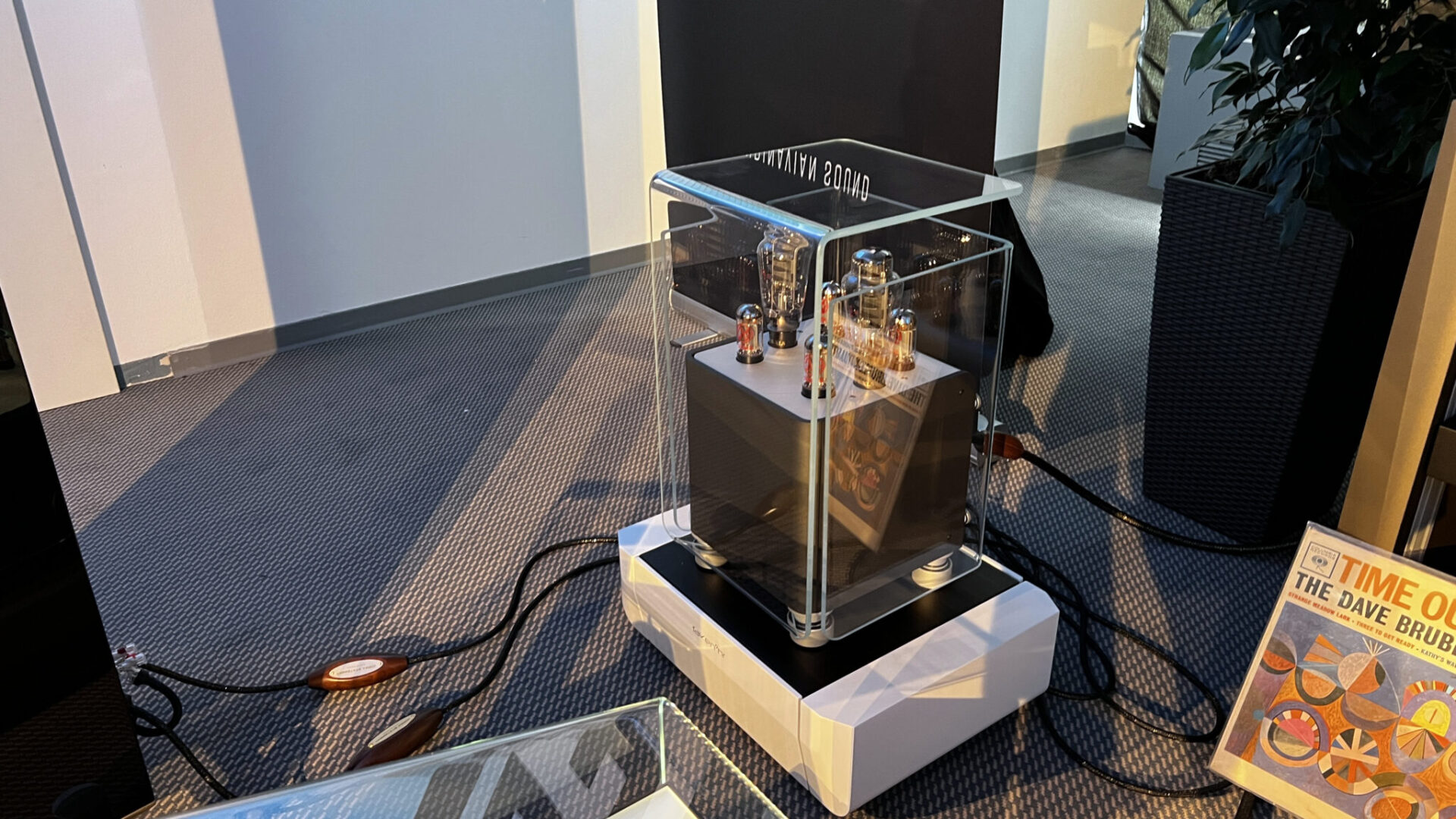
Ten years ago we got to know LARS. Which is a Swedish-built power amplifier with two 300B vacuum valves delivering a moderate 36 watts of power. Two LARS will set you back a little over €100,000, and then of course you’ll need MONICA too. MONICA is a two-piece preamp, just so there’s no misunderstanding.

Engström LARS. (Photo: Lasse Svendsen)

This quaint naming convention applies to all amplifiers from Lars and Timo Engström. Therefore it is no wonder that the integrated Engström amplifier is called ARNE. What else would it be called?

The integrated ARNE also has 300B valves, two per channel, and delivers 30 watts per channel. The design – as you can see in the above picture – differs a lot from what you normally see on amplifiers, but Engström is no ordinary company either.

Engineer Lars Engström (Timo is the designer) is concerned that his amps play as openly and freely as possible. Without the “grey fog” that many amps can have, and none of his amps therefore use negative feedback. No distortion should be sent back into the linear circuit.

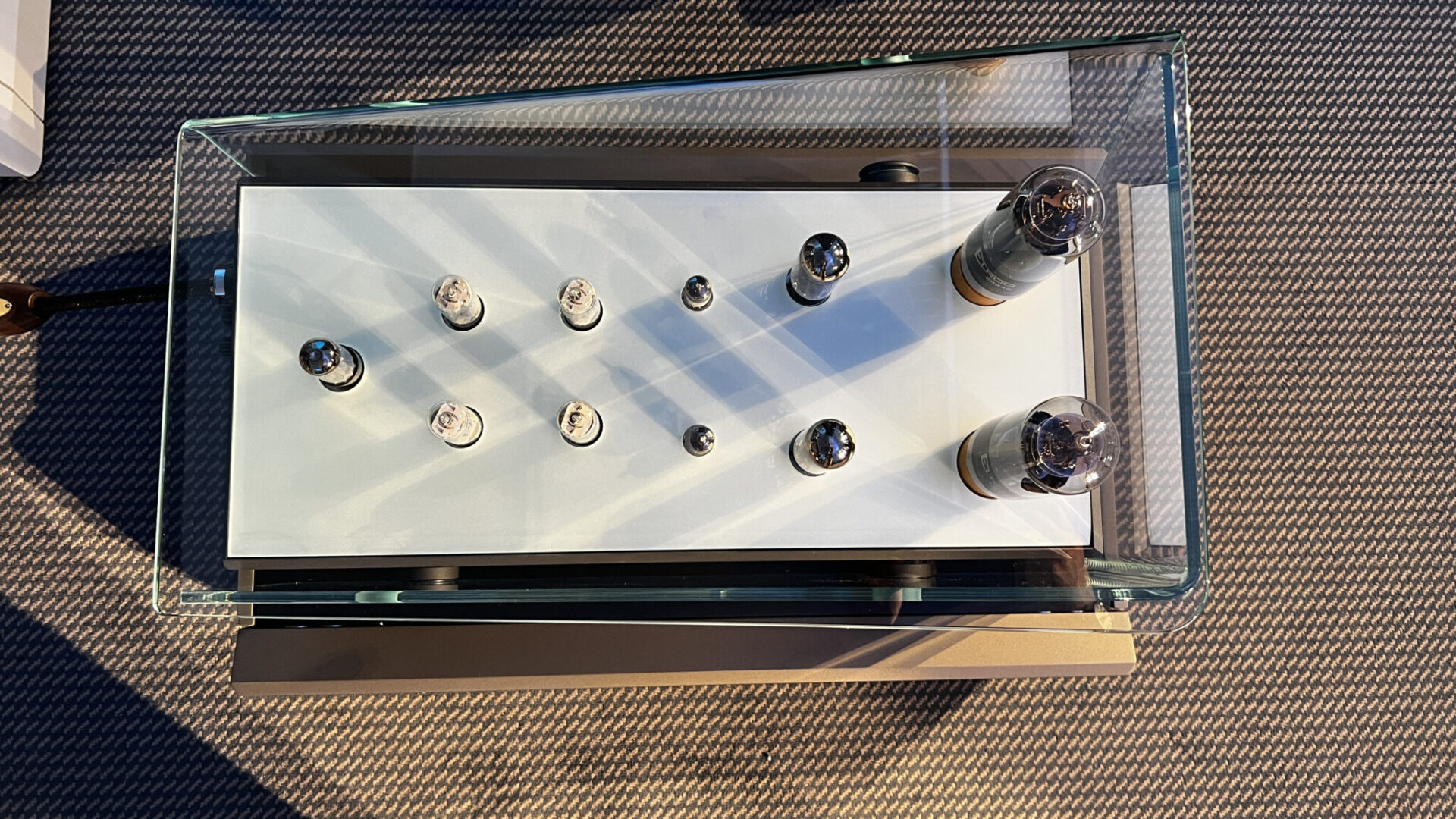
Engström ERIC. (Photo: Lasse Svendsen)

So is ERIC, Engström’s most powerful amplifier to date. A mono power amp with 70 watts of power (1% THD+N, 1 kHz) and two 845 valves per channel. It also has two 6L6GC, two EC8010, four 6CJ3 and one GZ34 valve.

Together with the MONICA preamplifier, ARNE created an exceptionally open and easy-flowing soundstage at the High End trade show. Even in mono, with a jazz recording from the 1950s on vinyl.

Beautiful it is, but it also comes at a price. An ARNE goes for just over 30,000 euros, and a MONICA for 50,000 euros. And a set of ERIC? Just over 130,000 euros!

Lasse Svendsen

UNITED PHOTO PRESS

23.5.22

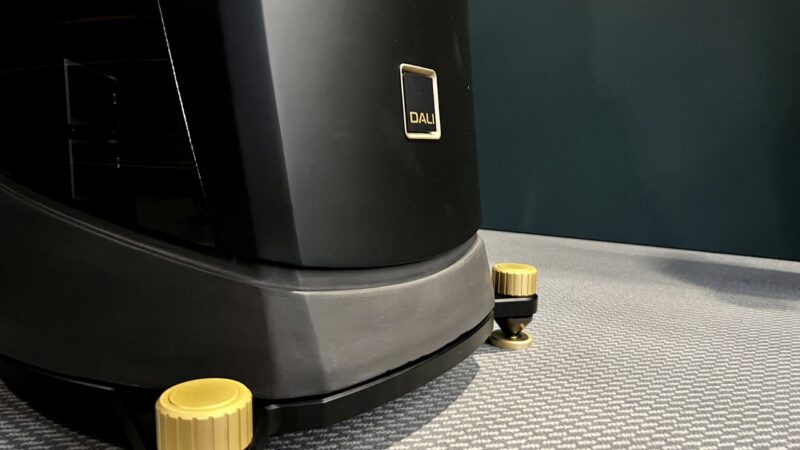
High End 2022: Dali Kore

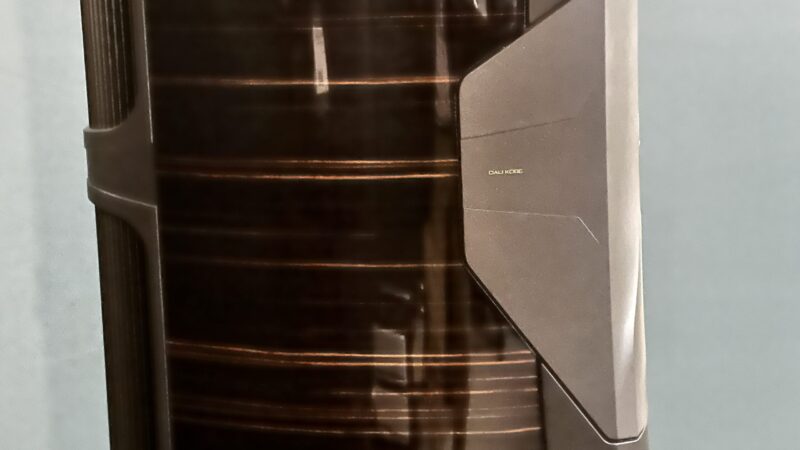
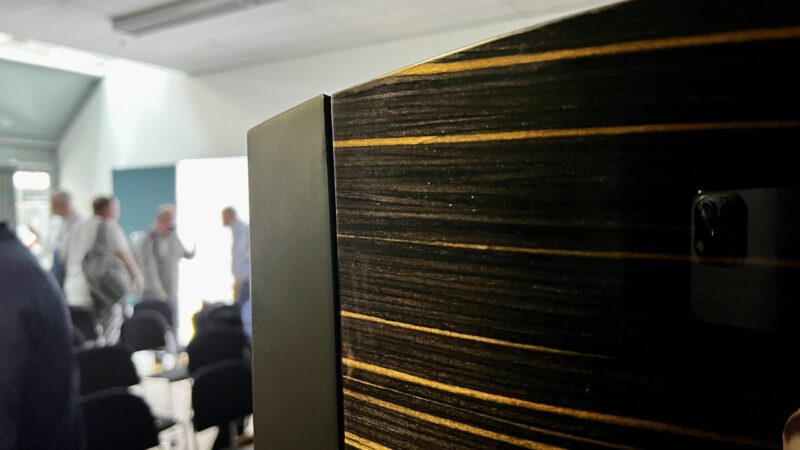
Dali speakers of a kind we have never seen or heard before.

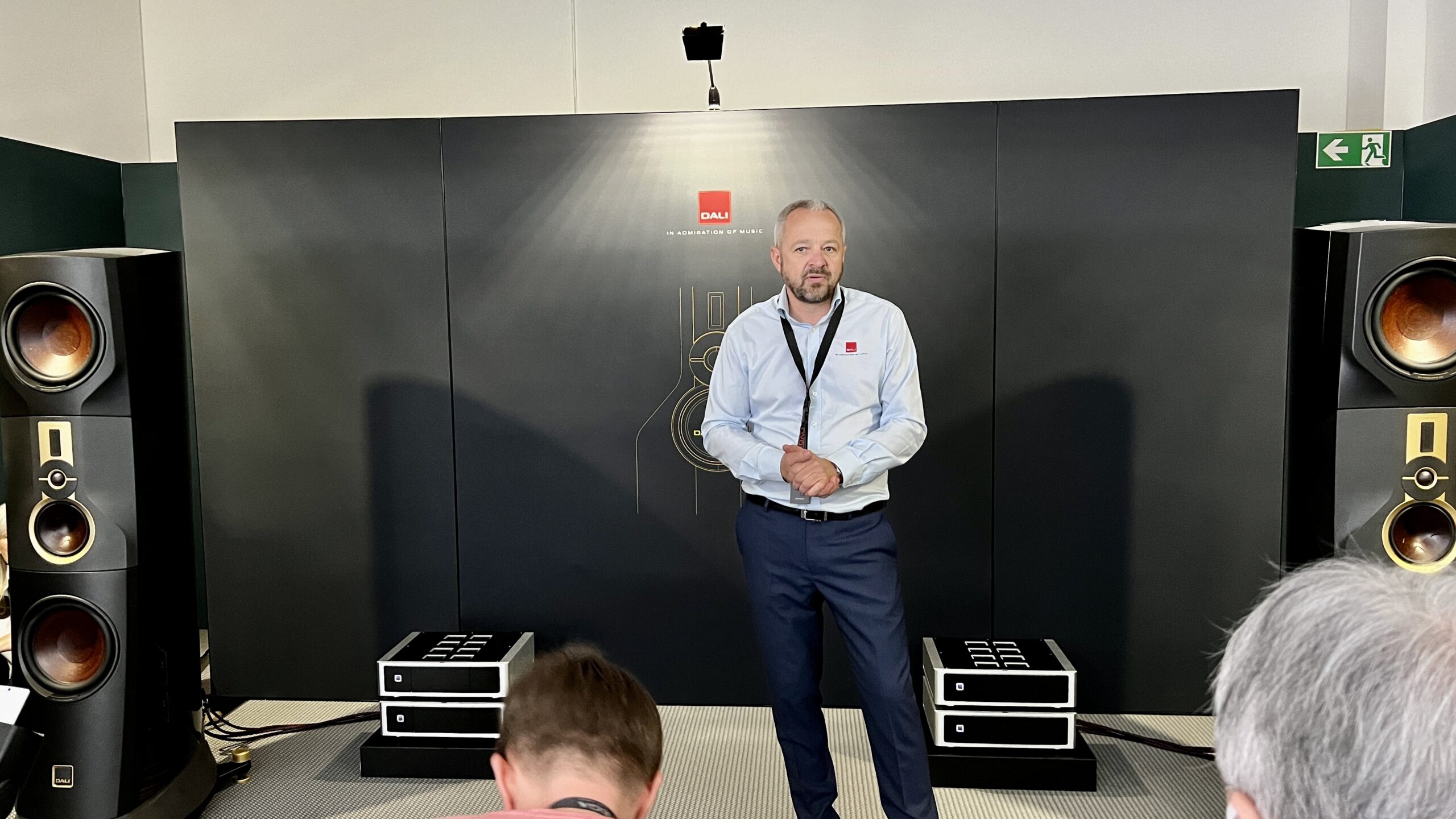
Dali usually make good, common sense products. The kind that most of us can afford, accomodate, and enjoy. They also have speakers in higher price ranges for those who want more of everything, but none of them are similar to these. That is, there are a few similarities.

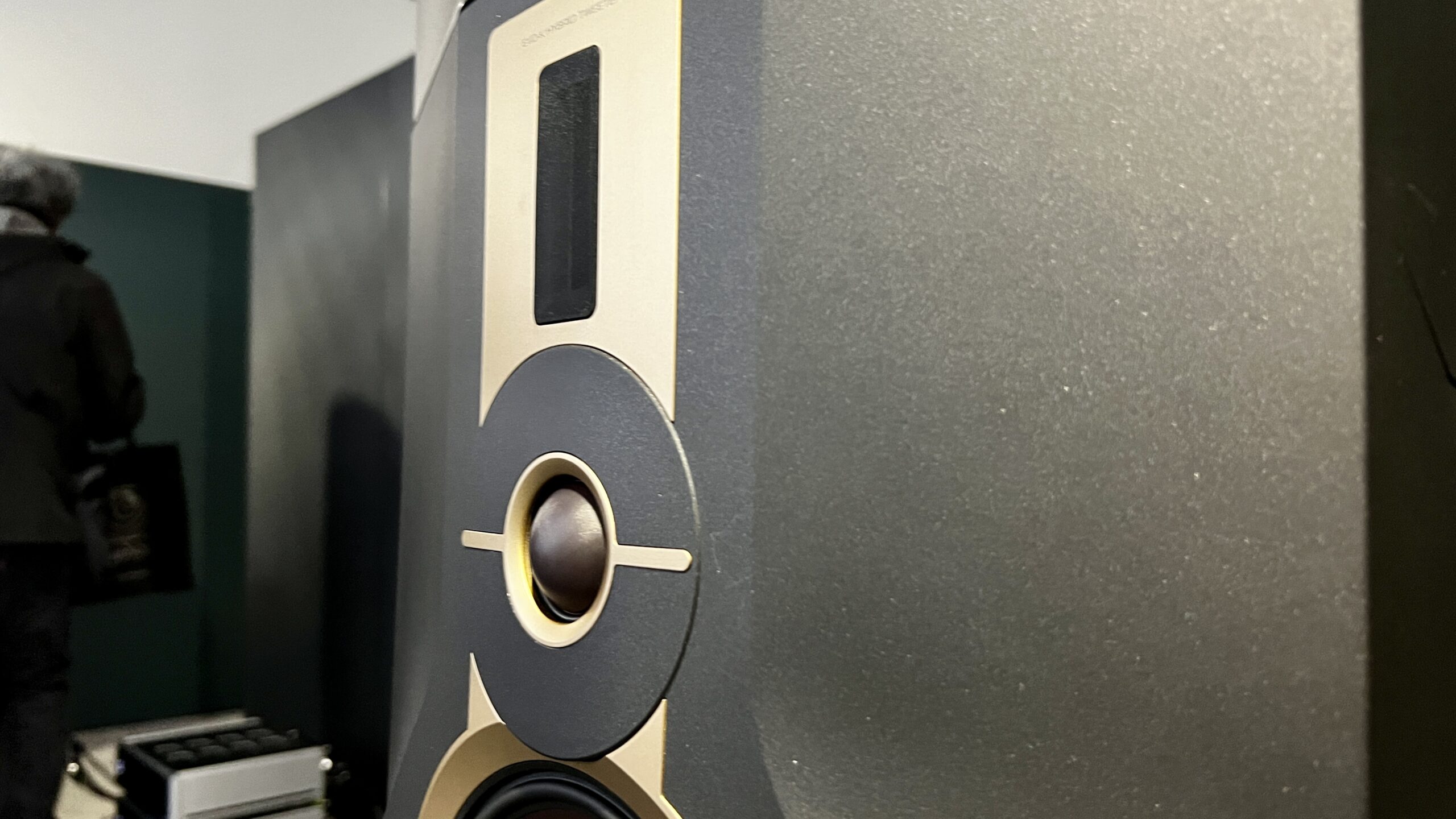
For example, Dali uses the same red-brown wood fibre for the midrange and woofer cones, but otherwise the flagship Kore differs quite radically from anything Dali has made before.

As the boss himself, Lars Worre, puts it; “Kore represents a rebirth in design, engineering, production and music.”


The huge speakers are the result of years of development, the aim being to see how far Dali could take their basic principles, without compromising any of them. In the company’s white paper on Kore, which is as thick as a book, it says a lot about the background, development and goals of the speaker, which in short is about continuing the Dali principles in a speaker that can go higher, deeper, wider and with much lower distortion than before.


Therefore all the drivers are new. From the two 11.5-inch woofers, to the 7-inch midrange (with Dali SMC technology), to the familiar hybrid tweeter. That combines a 35 mm dome diaphragm – without oil cooling, with a 10 x 55 mm ribbon tweeter.


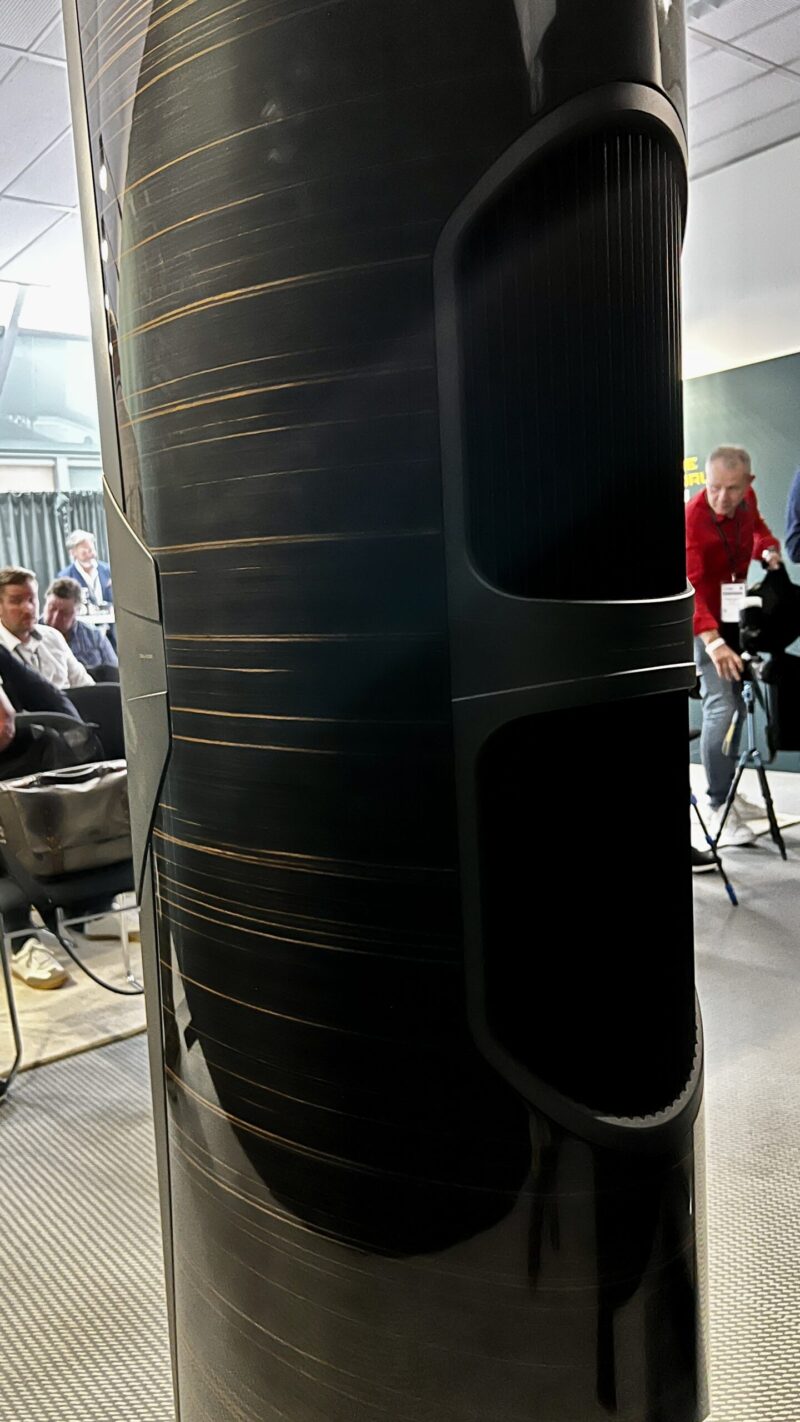
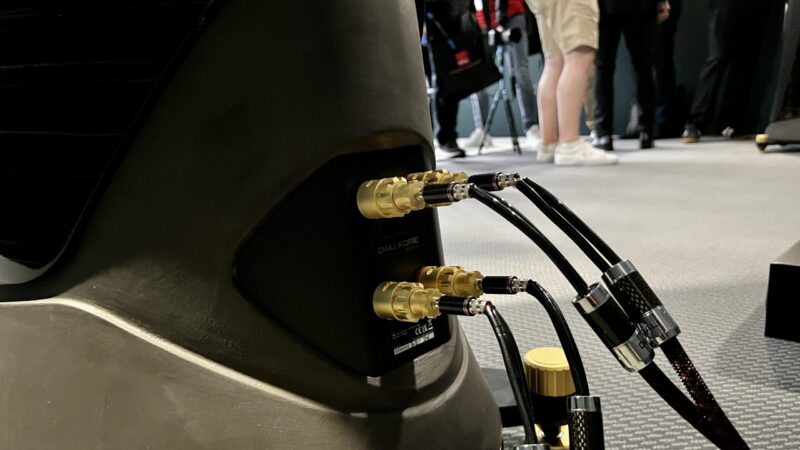
A new crossover with what Worre calls soft crossover – where the filter slopes are soft – is, like the drivers, specially designed with selected components. The same goes for the cabinet, which is made in Denmark, in one piece, with two identical 72 litre chambers on the inside. One for each woofer element, which ends in two bass reflex ports on the back.

The 140 kg heavy speakers, which by the way measure 167.5 x 44.3 x 59.3 cm, have been tuned to be easily installed in the room, without spending days to find an optimal placement. And the sound is damn good.

To say the least. Danske Hedegaard’s techno rolled out of the speakers like a blizzard on speed, and almost shocked the audience during the demonstration. Older jazz takes, up to and including Neil Young, sounded unusually open, free and natural. From the Kore speakers which seemed to have generous amounts of dynamics, and the bass. The frequency range is rated at 26 Hz – 34 kHz, which sounds very plausible.

Kore will not be on sale until the autumn, priced at 40.000 Euro. Each. Ouch.

Lasse Svendsen

UNITED PHOTO PRESS

22.5.22

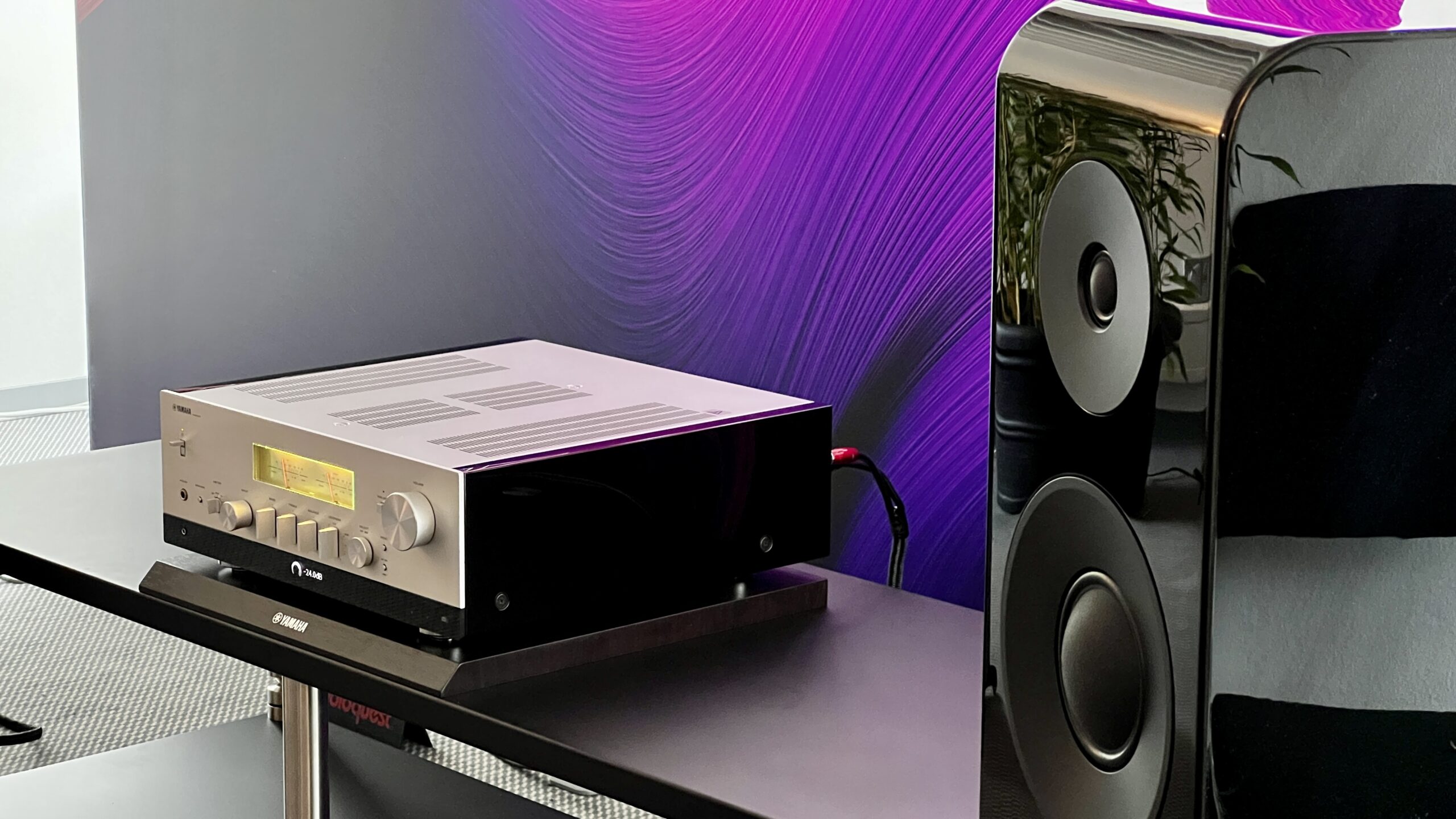
High End 2022: Yamaha RN-2000A


Super exciting integrated amplifier with streaming and DAC.

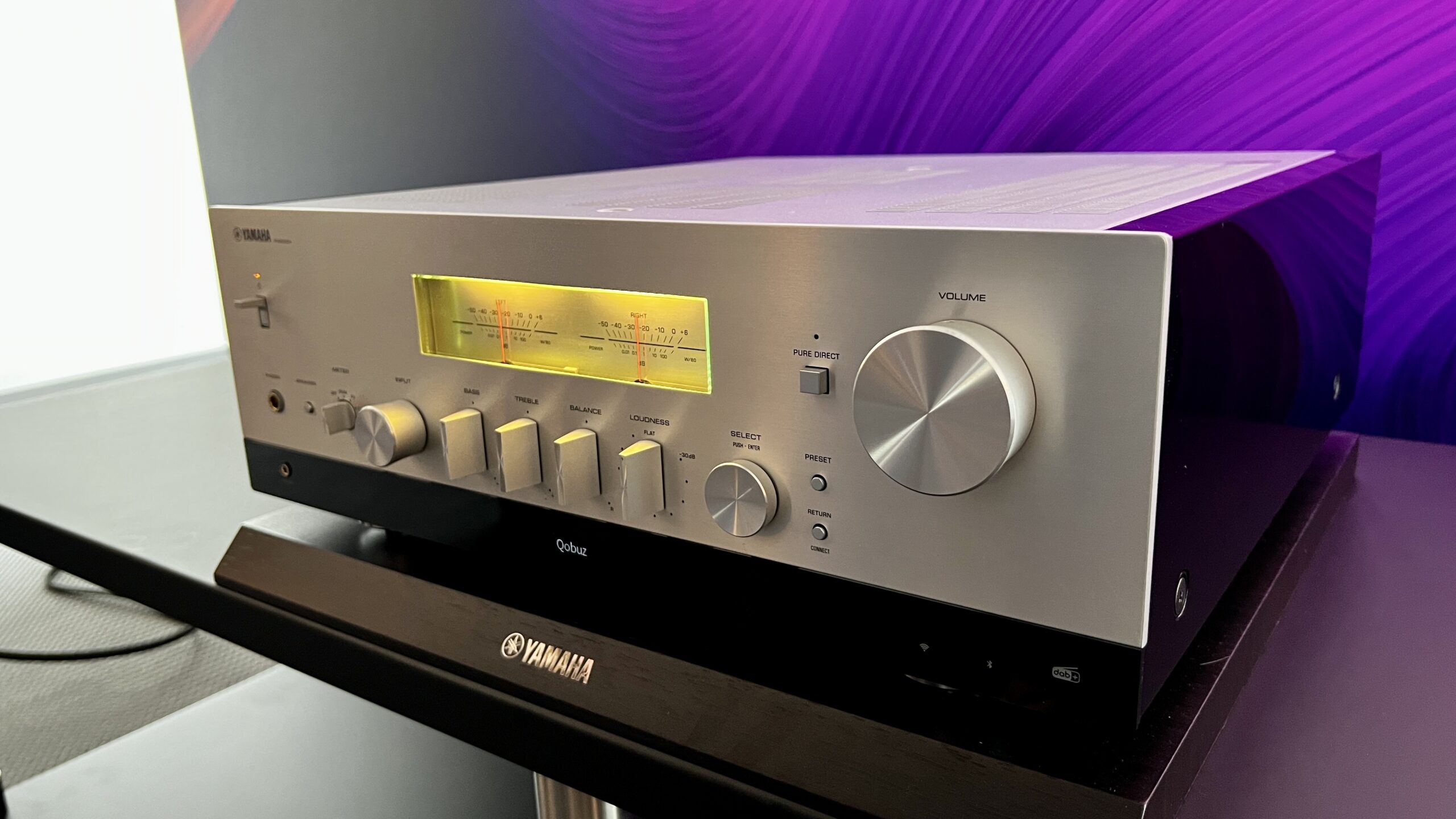
We asked Yamaha if they could make this – and they did! A fully integrated amplifier with power galore, wireless and analog with digital input, turntable input, and audio calibration system.

All in one box, weighing around 22 kg, and looking exactly like the high-end amplifiers in the 3000 and 5000 series.

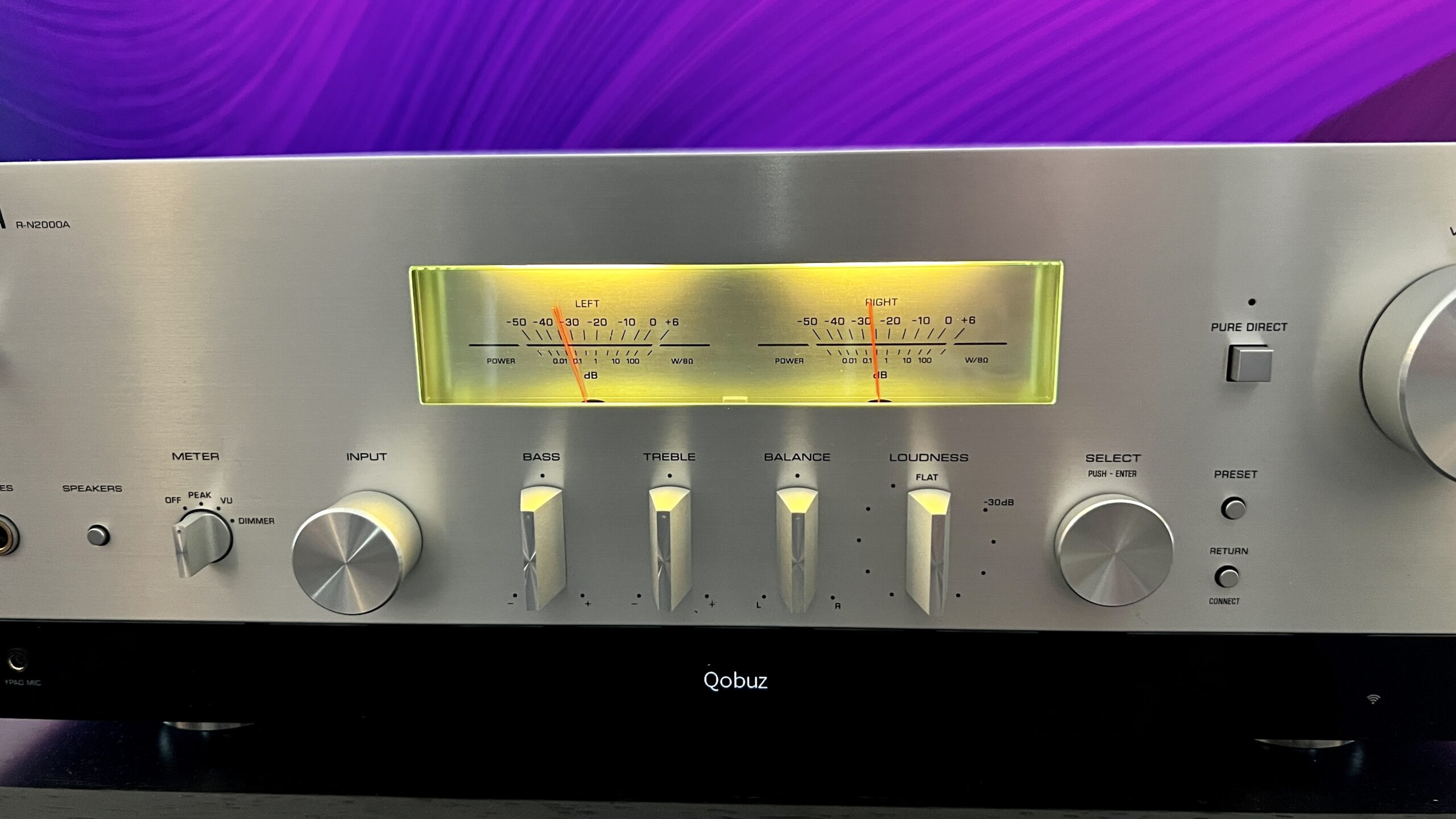
It’s equipped with the Yamaha Parametric Room Acoustic Optimizer (YPAO), which, like the receivers, uses a microphone to calibrate the sound in the room. It worked, you can say, for just where yours truly sat, I had the calibration turned off and on, and the sound was clearly best with it activated.


RN-2000A. (Photo: Lasse Svendsen, L&B Tech Reviews)

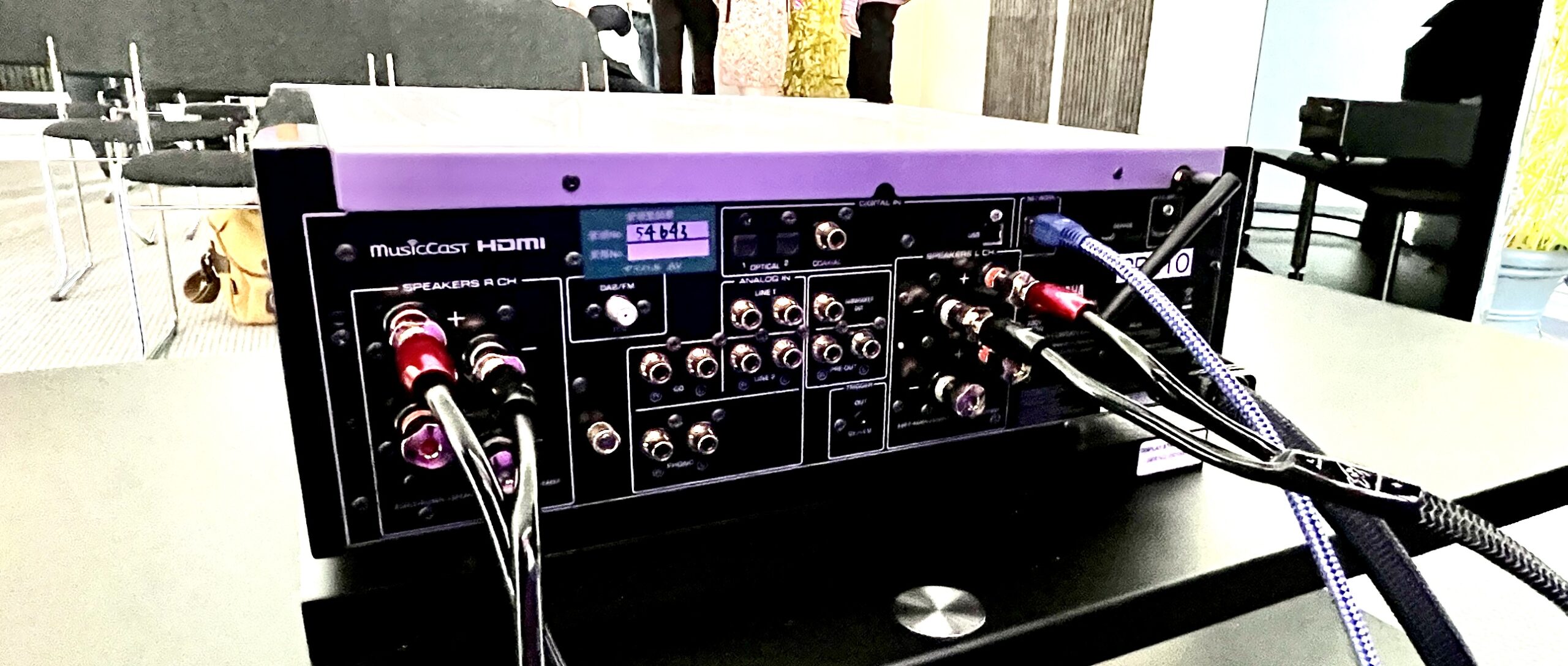
The amplifier, which also comes in black, has HDMI input with audio return (eARC), turntable input for MM pickup, a 32-bit, 384 kHz ES9026PRO DAC from ESS, USB DAC input, two optical and one coaxial digital input, Ethernet, DAB radio, subwoofer and pre-out.

It also has Yamaha’s MusicCast, which is their wireless variant with streaming over Wi-Fi, and it supports AirPlay 2, as well as pretty much every streaming service.


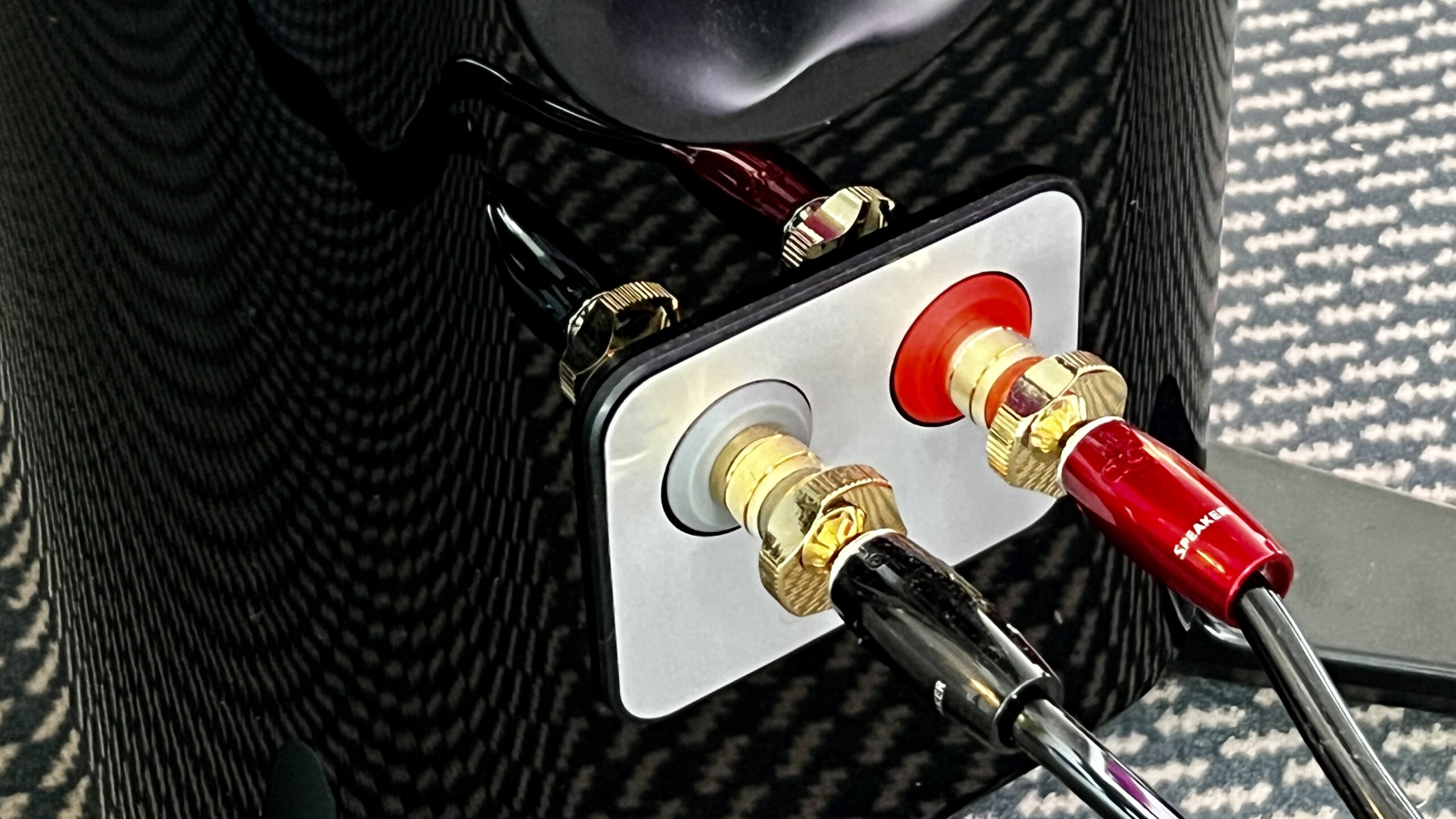
RN-2000A from behind. (Photo: Lasse Svendsen, L&B Tech Reviews)

The amplifier part of the RN-2000A, is a mix of the integrated A-S1200 and AS2200, with fully symmetrical built circuitry, a quite generous toroidal transformer, and components of a quality not found in the more affordable Yamaha amplifiers.

RN-2000A in silver finish. (Photo: Lasse Svendsen, L&B Tech Reviews)

The design is classic Yamaha, with a black area below the switches and potentiometers, where among other things an OLED screen shows setting selection and input. Yamaha specifies the power at 2 x 100 w in 8 ohms, or 185 w in 4 ohms.

The amplifier will not be in stores until the third quarter of 2022, estimated price is around 3500 Euro.
NS-2000A

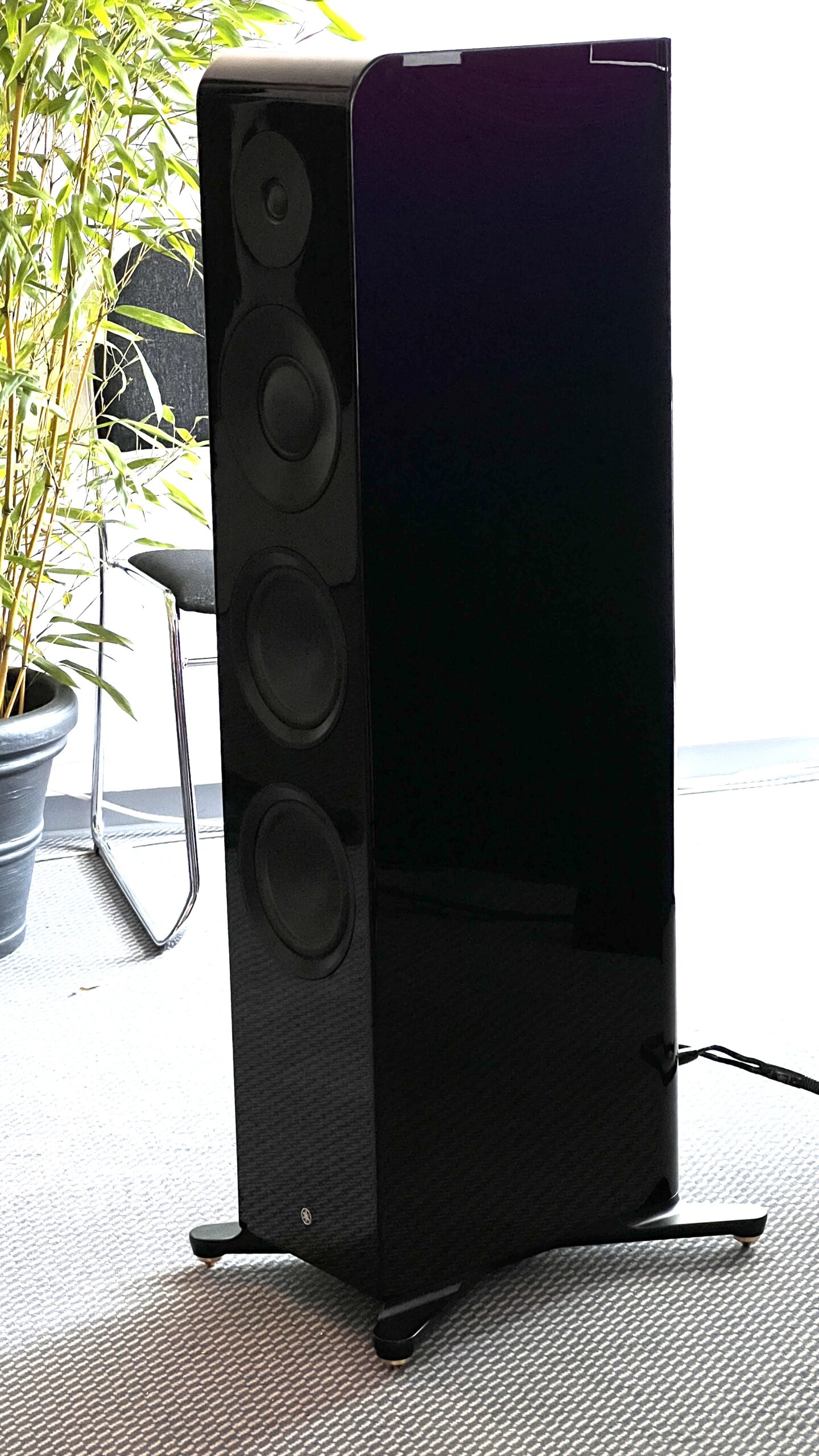
Around that price also the upcoming NS-2000A, a pair of floorstanding passive loudspeakers. A pair will end up at 7000 Euro.


RN-2000A and NS-2000A. (Photo: Lasse Svendsen, L&B Tech Reviews)

The speakers, like the amplifier, should be loyal to Yamaha’s True Sound concept. Which is about creating lifelike and harmonious sound, with realistic dynamics. In concrete terms, this means that the loudspeaker has Yamaha’s Harmonious Diaphragm, which is a combination of the artificially produced material Zylon, and spruce in the diaphragms.


Keen readers may notice that the NS-2000A has a completely new midrange driver, an 8 cm dome, which, together with two 16 cm woofers, and a 30 mm dome tweeter, makes up the speaker’s drivers.

NS-2000A. (Photo: Lasse Svendsen, L&B Tech Reviews)

Which also features Yamaha’s J-shaped acoustic absorber on the inside of the piano lacquered cabinet, which should manage to attenuate standing waves while not having to cram the speakers full of damping material. That also dampens the dynamics.

Yamaha specifies the frequency range to 34 Hz-65 kHz (-10 dB), the crossover frequencies are at 750 Hz and 3.5 kHz.

The dimensions are 33 x 113 x 46 cm and the weight 32 kg.
NS-2000A. (Photo: Lasse Svendsen, L&B Tech Reviews)

Lasse Svendsen
UNITED PHOTO PRESS