Showing posts with label sony. Show all posts

18.4.23

Artist refuses photography award after revealing his picture was AI-generated

“THE ELECTRICIAN” by Boris Eldagsen Photo Edition Berlin - Boris Eldagsen

An entry into the World Photography Organization’s Sony World Photography Awards has stirred up fresh controversy around the topic of AI-generated art.

German photographer Boris Eldagsen entered his piece “The Electrician” into the art contest. And wouldn’t you know it – he won 1st Prize in the Creative Category.

However, the winning image was actually generated by AI, using DALL-E 2. Eldagsen wanted to make a point and opted to turn down the prize, because his image wasn't a real photo.


He stated that he was looking to test if “competitions are prepared for AI images. They are not.”

“Participating in open calls, I want to speed up the process of the Award organizers to become aware of this difference and create separate competitions for AI-generated images,” said Eldagsen.

“AI images and photography should not compete with each other in an award like this. They are different entities. AI is not photography,” Eldagsen wrote on his website. “Therefore I will not accept the award.”

“With my refusal of the award, I hope to speed up this debate.”

His photograph, “The Electrician”, features two women in a grainy sepia tone that gives it a 1940s style. The work was created in collaboration with an AI used by Eldagsen, who refers to himself as a “photomedia artist” on his website.

"The Electrician" is part of a series by Eldagsen called "pseudomnesia," the Latin term for "fake memory." The images are "fake memories of a past, that never existed, that no-one photographed," created by putting them through AI image generators between 20 and 40 times, Eldagsen says on his website.

“I have been photographing since 1989, been a photomedia artist since 2000. After two decades of photography, my artistic focus has shifted to exploring the creative possibilities of AI generators,” Eldagsen wrote on his website. “The work SWPA has chosen is the result of a complex interplay of prompt engineering, inpainting and outpainting that draws on my wealth of photographic knowledge. For me, working with AI image generators is a co-creation, in which I am the director. It is not about pressing a button—and done it is.”

Boris Eldagsen next to image generated with DALL-E 2 in the process of creating The Electrician.Photo Edition Berlin - Boris Eldagsen

This comes at a time when AI image-generation sites such as DALL-E, Midjourney, and Stable Diffusion have boomed in popularity. In their prompts, users can ask the sites to create artwork in the style of a particular artist or images of events that never happened — leading to deepfake images or the editing of existing images.

Eldagsen’s win has been controversial, with photographers criticising the fact that an image created without any camera managed to take a top photography prize over actual photographers.

The World Photography Organization has so far remained silent on the matter.

An exhibition of the winners and shortlisted images from this year's Sony World Photography Awards takes place at Somerset House, London until 1 May 2023.

1.7.22

Best lens for wildlife photography in 2022


Best lenses for wildlife photography – When it comes to wildlife photography then getting in close is key. There are many long lenses on the market and depending on your budget and what camera type and brand you own will determine what is available to you.


To help you make a better informed decision we’ve rounded up the very best wildlife lenses from those that are compatible with DSLRs to Mirrorless, and we’ve included all the major brands so there is something in there for everyone.


When it comes to purchasing longer lenses unfortunately prices get pricey! For those on a tighter budget we have thrown in a couple of budget suggestions, but it’s also worth having a look at the second hand market to see what is available. Often you can save at least a third of the full retail price when shopping second hand.


So without further ado, here are our recommendations for the best lenses for wildlife photography:


Best Nikon DSLR lenses for wildlife photography
1. Nikon AF-S NIKKOR 200-500mm f/5.6E ED VR – £1,399


Nikon AF-S NIKKOR 200-500mm f/5.6E ED VR

At a glance:Minimum aperture f/32
Maximum aperture f/5.6
Lens construction 19 elements in 12 groups (including 3 ED glass elements)
95mm filter thread
Weighs 2300g (including tripod collar)

The versatile 200-500mm Nikon lens is perfect for those wildlife photographers needing to shoot at a variety of distances. The f/5.6 maximum aperture setting will feel slightly limiting in low light but during daylight is more than adequate. Weighing in at 2300g this lens will add a lot of extra weight to your camera bag, however the variable focal length makes up for this.


2. Nikon AF-S NIKKOR 300mm f/2.8G ED VR II – £6,299

Nikon AF-S NIKKOR 300mm f/2.8G ED VR II

At a glance:Minimum aperture f/22
Maximum aperture f/2.8
Lens construction – 11 elements in 8 groups
52mm filter thread
Weighs 2900g

If you’re after high quality imagery then the Nikon AF-S NIKKOR 300mm f/2.8G ED VR II is a beauty of a lens but at just shy of £6,300 it is by no means affordable to most! You can get it cheaper by shopping around and on the second hand market we found one at £3300 making it more of a viable option for some.

There is no doubt that having those extra stops of light up to f/2.8 with the 300mm reach will get you superb results and the 9 blade circular aperture diaphragm helps produce perfect background blur. This lens also uses a 4 stop Vibration Reduction system meaning you can be confident when out in the field that you are eliminating camera shake. Any Nikon user wanting high quality and professional looking results should consider this lens.

Best Canon DSLR lenses for wildlife photography
3. Canon EF 70-200mm f/2.8L IS III USM – £ 2,200

Canon EF 70-200mm f/2.8L IS III USM

At a glance:Minimum aperture f/32
Maximum aperture f/2.8
Lens construction – 23 elements in 19 groups
77mm filter thread
Weighs 1480g

You can’t go wrong with a 70-200mm f/2.8 lens. Their versatile nature makes them not only useful to wildlife photographers but also almost for every other genre of photography too!

This lens comes with a 3.5-stop image stabilisation guard against camera shake and can track with precision thanks to a ring-type USM autofocus system.

The Canon EF 70-200mm f/2.8L IS III USM is also water and dust resistant, which will give you great peace of mind when out in the field in harsher conditions.

4. Canon EF 75-300mm f/4-5.6 III – £240

Canon EF 75-300mm f/4-5.6 III

At a glanceMinimum aperture f/45
Maximum aperture f/4
Lens construction – 13 elements in 9 groups
58mm filter thread
Weighs 480g

For those who are just starting out or on a tight budget then the Canon EF 75-300mm f/4-5.6 III lens is well worth considering. This affordable lens is by no means perfect and comes with some restrictions such as its variable maximum aperture range, however when it comes to value for money you can’t argue with what you get. Its lightweight construction and flexible zoom are ideal if you are travelling, and thanks to its integrated AF motor it’s also fast to focus and track moving subjects.

The Canon EF 75-300mm f/4-5.6 III is compatible with Canon DSLR cameras and EOS-M mirrorless cameras with an EF-EOS M Mount adapter.

Best third party DSLR lenses for wildlife photography
5. Sigma 150-600mm f/5-6.3 DG OS HSM S – £1,329

Sigma 150-600mm f/5-6.3 DG OS HSM

At a glanceMinimum aperture f/22
Maximum aperture f/5
Lens construction – 24 elements in 16 groups
105mm filter thread
Weighs 2860g

The Sigma 150-600mm f/5 – 6.3 DG OS HSM is not only incredibly versatile having a reach from 150mm to 600mm, it is also built to withstand. This is thanks to its dust and splash resistant structure and its oil-repellent coating on the forefront and rear lenses that can be easily wiped to prevent oil and fat from sticking to the surfaces.

The lens comes with an intelligent OS (Optical Stabiliser) function feature that includes 2 modes. Mode 1 is for general photography and mode 2 helps track moving subjects with accuracy making it ideal for wildlife photographers.

On the downside the variable maximum aperture setting between f/5 and f/6.3 (which is determined by where the focal length is set) is restrictive in lowlight conditions, however this lens still works out as great value for money at just over £1300.

6. Tamron 100-400mm F/4.5-6.3 Di VC USD – £819

Tamron 100-400mm F/4.5-6.3 Di VC USD

At a glance:Minimum aperture f/45
Maximum aperture f/4.5
Lens construction – 17 elements in 11 groups
Minimum object distance 1.5m
Weighs 1135g (Canon fit), 1115g (Nikon fit)

If weight is an issue then the Tamron 100-400mm F/4.5-6.3 Di VC USD is comparably much lighter to many of its market rivals. The Canon fit weighs slightly more than the Nikon fit, which comes in at a light 1115g.

Key features of the Tamron 100-400mm F/4.5-6.3 Di VC USD are the autofocus system and a moisture resistant construction and fluorine coating aimed to give you peace of mind in bad weather. The lens also has three low dispersion lens elements that compensate for chromatic aberrations.

Finally this lens is compatible with Tamron’s 1.4x teleConverter, which if you want that extra reach but can’t afford to upgrade to a longer lens is a great solution.

Best mirrorless Canon lenses for wildlife photography
7. Canon RF 100-500mm F4.5-7.1L IS USM – £2,980

Canon RF 100-500mm F4.5-7.1L IS USM

At a glance:Minimum aperture f/32 at 100mm / f/54 at 500mm
Maximum aperture f/4.5
No. of diaphragm blades 9
Filter thread 77 mm
Weighs 1530g

For Canon mirrorless shooters the Canon RF 100-500mm F4.5-7.1L IS USM Lens is an excellent option that comes with a large variable focal length and also produces high quality results.

This lens comes with a 5-stop Image Stabilisation feature giving greater flexibility in lowlight, and includes ASC technology, which stands for Air Sphere Coating to prevent flare and ghosting in images. The Dual Nano USM motor is also worth a mention that enables fast, smooth and near silent AF shooting. It isn’t cheap though at just shy of £3000, however it has much to offer wildlife shooters.

8. Canon RF 800mm F11 IS STM – £1,100

Canon RF 800mm F11 IS STM

At a glance:Minimum aperture f/11
Maximum aperture f/11
Lens construction 11 elements in 8 groups
Filter thread 95mm
Weighs 1260g

If you need a long reach then the Canon RF 800mm F11 IS STM should be on your list. This lens is aimed at the enthusiast, and ideal for any wildlife photographer needing to keep their distance but wanting to get shots close in on the action – for example on a safari.

On the downside the fixed aperture setting at f/11 will feel restrictive at times, however in good light this won’t be an issue. On the positive side this lens only weighs 1,260g which is incredibly light for a lens with this kind of reach. It also only measures 281.8mm in length making it easier to transport. It’s worth noting Canon makes a similar 600mm model that retails at £860.

Best mirrorless Nikon lenses for wildlife photography
9. Nikon Nikkor Z 70-200mm f/2.8 VR S – £2,419

Nikkor Z 70-200mm f/2.8 VR S

At a glance:Minimum aperture f/22
Maximum aperture f/2.8
No. of diaphragm blades 9
Filter thread 77 mm
Weighs 1440g

The Nikon Nikkor Z 70-200mm f/2.8 VR S is an excellent lens and produces superb quality results. This model comes with ghosting, flare and chromatic aberration combative features and is pinpoint sharp thanks to its accurate tracking and AF feature. This lens has a minimum focus distance of just 0.5m at the wide end of the zoom, and 1m at the telephoto end.

The versatile nature of a 70-200mm f/2.8 lens is not only great for capturing wildlife – for example bird photography – but it’s also useful for shooting other genres as well so is a worthy investment.

10. Nikkor Z MC 105mm f/2.8 VR S – £1,049

Nikkor Z MC 105mm f/2.8 VR S

At a glance:Minimum aperture f/32
Maximum aperture f/2.8
No. of diaphragm blades 9
Filter thread 62mm
Weighs 630g

For those Nikon mirrorless users who want to capture the smaller animal kingdom like butterflies and insects then the Nikkor Z MC 105mm f/2.8 VR S should be at the top of your list! This professional macro lens produces excellent results and includes Nikon’s anti-reflective ARNEO and Nano Crystal coatings, which combat flaws like ghosting and unwanted image flare.

With a minimum focusing distance of 0.29m the Nikkor Z MC 105mm f/2.8 VR S lets you get extremely close into your subject, and produces images at a 1:1 reproduction ratio for detailed results.

Best Sony FE mount lens for wildlife photography
11. Sony FE 200-600mm f/5.6-6.3 G OSS – £1,700

Sony FE 200-600mm f/5.6-6.3 G OSS

At a glance:Maximum aperture f/5.6
Dimensions 111.5 x 318 mm
No. of diaphragm blades 11
Filter thread 95mm
Weighs 2115g

For wildlife Sony shooters who are after a versatile lens the Sony FE 200-600mm f/5.6-6.3 G OSS is a strong contender. This lens is fast and accurate to focus thanks to Sony’s DDSSM (Direct Drive SSM) system, and the image quality is also excellent.

This lens comes with an 11 blade aperture mechanism creating desirable bokeh. It’s worth noting though the lens is limited to a maximum f/5.6 or f/6.3 depending on where the focal length is set.

This lens is centre weighted so feels balanced when out in the field, which is reassuring to know. If you want to extend your reach even further the Sony FE 200-600mm f/5.6-6.3 is compatible with a 1.4x or 2.0x teleconverter. This gives a maximum focal length of 840mm (with a 1.4x) or 1200mm (2.0x) at f/13.

Best Fujifilm XF mount lens for wildlife photography
12. Fujinon XF 100-400mm f/4.5-5.6 R LM OIS WR – £1,699

Fujinon XF 100-400mm f/4.5-5.6 R LM OIS WR

At a glance:Maximum aperture f/4.5
Minimum aperture f/22
No. of diaphragm blades 9
Filter thread 95mm
Weighs 1375g

The Fujinon XF 100-400mm f/4.5-5.6 R LM OIS WR is a super telephoto zoom lens capable of producing high quality results. With a 5 stop image stabilisation system this lens combats issues like camera shake and has automatic detection when panning.

At 1375g this lens is light enough not to cause too many issues whilst in transportation, and the 100-400mm reach gives most wildlife photographers a decent focal range to play with. This lens is dust and water resistant and will operate in conditions down to -10 °C. A great all rounder for those who need something versatile.

Best Micro Four Thirds lenses for wildlife photography
13. Olympus M.Zuiko Digital ED 300mm f/4.0 IS Pro – £2,599

Olympus M.Zuiko Digital ED 300mm f/4.0 IS Pro

At a glance:Minimum aperture f/4
Dimensions 92.5 x 227mm
Filter thread 77mm
Weighs 1270g

Weighing in at 1270g the Olympus M.Zuiko Digital ED 300mm f/4.0 IS Pro is an excellent choice for many wildlife pros and enthusiasts. Although Olympus have priced it at £2,599 with some shopping around you can get it around £500 cheaper than their suggested full price.

This lens benefits from Olympus’ sync IS system that provides enhanced camera shake reduction with the correct setup. Finally this lens is dust, freeze and splashproof, and gives a 600mm equivalent reach.

14. Panasonic Leica DG Vario-Elmarit 50-200mm F/2.8-4 ASPH Power O.I.S. – £1,399

Panasonic Leica DG Vario-Elmarit 50-200mm F/2.8-4 ASPH Power O.I.S.

At a glance:Minimum aperture f/22
Maximum aperture f/2.8
Lens construction – 21 elements in 15 groups
Weighs 655g

This lens offers micro four third users great flexibility thanks to its variable focal length and wide maximum aperture settings that vary between f/2.8 and f/4 depending on where the focal length is set.

These wide aperture settings will come in handy in lowlight and produce brilliant bokeh when blurring out the background. This lens is weather sealed giving users greater peace of mind when out in the field. It also gives a 100-400mm equivalent.

15.6.22

The best Sony camera in 2022


The best Sony cameras are some of the best mirrorless and compact cameras you can buy today. Whether you’re a beginner, an enthusiast or an experienced imaging professional, and whether you work in stills, video or both, there will be a Sony camera that suits you down to the ground. It’s just a question of finding it – and that’s where we come in.

For our guide to Sony cameras, we’ve picked out the best of the best in every category. We’ve included representatives from the flagship Alpha 7 series of full-frame mirrorless cameras, as well as a few of the more budget-friendly APS-C mirrorless Alpha 6000 series cameras that are oriented towards enthusiasts. And for those who prefer an all-in-one camera, we’ve also included representatives from Sony’s range of Cyber-Shot RX compacts. So, let’s get stuck right into the best Sony cameras you can buy right now.

Here are our picks of the best Sony cameras:
Best Sony camera for photography: Sony A7 IV


Sony Alpha A7 IV (33MP) mirrorless

At a glance:Mirrorless camera
33MP full-frame Exmor-R CMOS sensor
10 frames per second shooting
ISO 50-204,800 (extended)
4K 30p video recording
£2,400 body-only

The Sony A7 cameras have always been good for a bit of everything. While the A7R models focus on resolution, the A7S models on low-light video and the A9 models on speed, the A7 cameras have quietly gone about the business of being some of the best full-frame all-rounders on the market.

The Sony Alpha A7 IV is the best one yet, kicking it up a gear in response to increased competition from Canon and Nikon. This translates to a revamped 33MP sensor, with 11fps burst shooting and super-fast autofocus to play with, as well as handling improvements like a fully articulating LCD screen and a higher-resolution viewfinder.

The impressive range of full-frame E-mount lenses allows you to customise the system according to what you plan to shoot. For serious photographers, it’s one of the most fully-featured cameras you can buy right now without getting into ultra-pro territory.
Best for: enthusiast photographers who want to shoot everything

Best Sony for wildlife and bird photography: Sony A1

At a glance:Mirrorless camera
50.1MP full-frame Exmor RS CMOS sensor
30 frames per second shooting
ISO 50-102,400 (extended)
8K 30p video recording
£6,500 body-only

So, speaking of ultra-pro territory – the Sony Alpha A1 is something truly special, and one of the most technologically advanced cameras ever made. It could have topped any of the categories on this list that don’t have the word “budget” anywhere near them, but we’ve picked it for bird and wildlife photography because of its frankly ridiculous ability to shoot at 30 frames per second, maintaining that full 50MP resolution, while adjusting focus and exposure between shots. This is basically cheat mode for wildlife photography.

Of course, the Sony A1 is designed for professionals, and costs more than almost any two other cameras on this list combined. If that’s out of your budget (fair), then we’d also recommend considering the Sony Cyber-shot RX10 IV. A bridge camera that pairs a 20.1MP 1-inch sensor with a 24-600mm (equivalent) f/2.4-4 lens, it has an incredibly capable autofocus system that consistently nails moving subjects.
Best for: big-budget pros

Best Sony camera for beginners on a budget: Sony A6000

Sony Alpha A6000 with 16-50mm Power Zoom lens

At a glance:Mirrorless camera
24.3MP full-frame Exmor APS-C HD CMOS sensor
11 frames per second shooting
ISO 100-25,600
Full HD 60p video recording
£419-499 with lens

This fantastic camera has been around since 2014, and the fact that it’s still one of the best mirrorless cameras for beginners is an indicator of how many things Sony got right with it. The Sony Alpha A6000 kicked off an entire series of APS-C mirrorless cameras for enthusiasts, and over the years its price has come down to the point where it’s one of the best budget cameras you can buy. There are also plenty of E-mount lenses designed specifically for APS-C cameras, so you won’t feel short-changed when it comes to the glass.

It’s amazing how many of the A6000’s specs are still competitive today. The autofocus system can acquire a subject in as little as 0.06 seconds, and the burst mode can manage 11fps – all of which is more than enough for speedy action photography. The only area where the A6000 has started to fall behind is video, as it pre-dates the 4K boom, and doesn’t have a mic jack.
Best for: cash-conscious beginners and enthusiasts

Best Sony camera for vlogging: Sony A7C


At a glance:Mirrorless camera
24.2MP full-frame BSI CMOS sensor
10 frames per second shooting
ISO 50-204,800 (extended)
4K 30p video recording
£1,900 body-only

Sony loves small cameras, even when they’ve got big sensors. The Sony Alpha A7C is a relatively recent entry to the full-frame A7 line, and feels like an attempt to get back to basics, with a diminutive design and simple layout, and a lot of the choices make it ideal for vloggers. It’s got a fully articulating screen, as well as mic and headphone sockets that are smartly positioned not to block the screen when it’s facing forwards. Its 4K 30p footage looks gorgeous, with good dynamic range thanks to the full-frame sensor.

If the A7C is too expensive for you, consider Sony’s mirrorless vlogging camera, the APS-C Sony ZV-E10. It’s been going in and out of stock though, so can be hard to get hold of.
Best for: serious vloggers and aspiring YouTubers

Best Sony camera for travel vlogging: Sony ZV-1


At a glance:Compact camera with 25-70mm equiv f/1.8-2.8 lens
20.1MP 1-inch BSI CMOS sensor
24 frames per second shooting
ISO 64-12,800 (extended)
4K 25p video recording
£699

For travel vlogging, a compact camera is an ideal choice, as it provides an all-in-one shooting package that will fit even in a small bag. The Sony ZV-1 is an excellent choice – it’s specifically designed for vloggers, and as such, it has a stack of useful video features. Chief among these is the three-capsule built-in mic, which allows you to get decent audio without having to attach an external mic (though you can, if you prefer). The camera also comes packaged with a furry windshield to cut down on background noise. There’s no viewfinder or built-in flash, but a vlogger doesn’t need them.
Best for: vloggers who want an agile, portable rig

Best Sony for travel photography: Sony RX100 VI

Sony Cyber-shot RX100 VI
At a glance:Compact camera with 24-200mm equiv f/2.8-4.5 lens
20.1MP 1-inch Exmor RS CMOS sensor
24 frames per second shooting
ISO 125-12,800
4K 25p video recording
£799-849

Though this isn’t the most recent Sony RX100 compact camera (that title belongs to the Mark VII), the price of this sixth iteration has come down enough since release that we think it’s the smarter buy for travel photographers. It’s got a much longer built-in lens than previous RX100 cameras, making it more versatile, and also packs in plenty of high-end features for a camera in this class. Having 24fps burst shooting with focus and exposure adjustment, up to a 233-shot JPEG buffer, is no small thing.

The little Sony RX100 VI is still pocketable, meaning it’s ideal for city breaks and hikes as it won’t add much weight to your bag. The pop-up viewfinder is a nice touch as well, and 4K video at 25p with full pixel readout is a useful thing to have in your back pocket.
Best for: world-explorer photographers who travel light


Best Sony camera for streaming: Sony A6400


Sony Alpha A6400 (APS-C) mirrorless camera

At a glance:Mirrorless camera
24.2MP APS-C CMOS sensor
11 frames per second shooting
ISO 100-102,400 (extended)
4K 30p video recording
£999 with lens

If you want to set up a Sony camera for streaming, an APS-C mirrorless camera is a good bet, as they offer a solid suite of video features without the high price tag of the full-frame models. We recommend trying the Sony Alpha A6400 – it has plenty of features that are hugely useful for streaming, like its flip-up monitor, which has a video-friendly 16:9 aspect ratio.

You can stream via HDMI, or via USB with Sony’s Imaging Edge webcam software. The A6400 can record 4K at 30p, though the Full HD looks excellent, and is potentially the better choice for streaming.
Best for: at-home vloggers, streamers and YouTubers


Best Sony camera for sports photography: Sony A9 II


At a glance:Mirrorless camera
24MP full-frame stacked CMOS sensor
20 frames per second shooting
ISO 50-204,800 (extended)
4K 30p video recording
£4,299

Sony shook up sports and action photography with its blisteringly fast A9, and the Sony Alpha A9 II is an even more impressive mirrorless camera. The A9 II is designed to be able to capture basically any subject, no matter how fast-moving – its ground-breaking autofocus system is capable of making up to 60 AF calculations per second, and it can shoot at up to 20fps with the electronic shutter, or 10fps with the mechanical. This means you’ve still got a competitive burst rate in play in situations where you might run the risk of encountering a banding effect due to the quality of the light.

The A9 II burst-shoots with no viewfinder blackout, meaning you can keep laser-focused on your subject. With this and the generous ISO range, it’s difficult to think of many other cameras that can match the A9 II for its ability to nail the shot in basically any situation.
Best for: sports pros


Best Sony for landscape photography: Sony A7R IV

Sony Alpha A7R IV (61MP) full-frame mirrorless camera

At a glance:Mirrorless camera
61MP full-frame Exmor R CMOS sensor
10 frames per second shooting
ISO 50-204,800 (extended)
4K 30p video recording
£4,299

With the A7R series, Sony has continually broken the boundaries of resolution for full-frame cameras. The Sony Alpha A7R IV is the latest and greatest; with a whopping 61 million pixels of resolution to play with, photographers can capture an astonishing level of detail. A slower shooting experience than other Sony cameras, it’s a perfect choice for landscape photographers.

The A7R IV captures images with fine gradation, and a 15-stop dynamic range if you use it at the low end of its ISO scale. Pair it with a high-quality, large-aperture prime lens from E-mount, and the results are nothing short of astonishing.
Best for: making large prints


Best Sony camera for video: Sony A1


At a glance:Mirrorless camera
51MP full-frame Exmor RS CMOS sensor
30 frames per second shooting
ISO 50-102,400 (extended)
8K 30p video recording
£6,500 body-only

Yep, it’s back. As we said earlier, the Sony Alpha A1 really could have topped practically any of these categories, but we elected to restrict it to just two – and it really is the best video camera Sony has made in the Alpha series.

It’s capable of capturing 8K 30p video – indeed, was the first mirrorless camera to be able to do so – and it will do that internally, with a bit rate of up to 400Mbps. Drop the resolution, and you’ve got 4K at a maximum frame rate of 120p.

A clever heat-management system keeps the camera cool and enables recording times of more than 30 minutes – none of those harsh recording limits that dogged the Canon EOS R5 on launch. You get 10-bit 4:2:2 colour, while S-Cinetone and S-log3 modes help retain maximum detail and dynamic range for the colour grade.
Best for: uncompromising video shooters

Best Sony camera for low-light video: Sony A7S III


Sony Alpha A7S III

At a glance:Mirrorless camera
12.1MP full-frame BSI-CMOS sensor
10 frames per second shooting
ISO 40-409,600 extended
4K 120p video recording
£3,800 body-only

It’s hard to overstate just how much the original Sony A7S changed the game with regard to low-light video. Its ability to effectively shoot in the dark at ISO levels as high as 409,600 redefined what was thought possible on a full-frame mirrorless camera. The A7S II further upped the ante by adding internal 4K recording, solidifying the series’ position as a tool for serious filmmakers.

The Sony Alpha A7S III does all the same things, and adds handling upgrades like a side-hinged fully articulated LCD, and a completely overhauled touch-sensitive interface. As awkward menu-fiddling has always been a bit of a bugbear with Sony cameras, this was a truly welcome addition. With twin card slots that can both accept the super-fast CFExpress Type A format, as well as a back-illuminated sensor structure that enables lightning-fast readout speeds, this is a camera that’s more than capable of keeping up with even the most demanding video shoots.
Best for: filmmakers and pro content creators


11.6.22

Five of our favorite affordable 85mm primes for portrait photography


85mm prime lenses always used to come with pretty premium prices. However, times have changed. You can now buy 85mm primes that are ideal for portrait photography for less than you think.

If you want to break into portrait photography, but you’re on a budget, you need to look at the 85mm primes listed below. We know what you’re thinking. There must be some trade-offs to these affordable 85mm primes over more expensive options. Well, yes, that’s true; there are always trade-offs.

Some of these lenses don’t have weather sealing, and some are made entirely from composite materials. They’re still tough, but they might not have a premium feel. However, one thing you can count on is that the images you produce with these lenses will rock your portrait photography world. All of the lenses below offer the perfect balance between cost and performance. Let’s take a look at them.
Canon RF 85mm f/2 — The colors it produces are out of this world.

Canon decided to skip over f/1.8 and head for f/2 with this RF 85mm. It’s an odd decision, but the RF 85mm f/2 is still a fantastic lens for the price. Designed to work on Canon’s mirrorless cameras, this 85mm prime lens gives portrait photographers an affordable entry point into RF mount lenses. Make note, though — there is no weather sealing, which is a shame.

The Canon RF 85mm f/2 is a fast focuser. At f/2, images are tack sharp. The lens produces the gorgeous Canon colors we love. Even at f/2, bokeh is very nice. The RF 85mm also has a trick up its sleeve. This prime can do light macro work with a max magnification of 1:2. The lens also focuses as close as 13.8-inches. At under $600, this is a good choice for Canon RF portrait photographers on a budget.


Nikon NIKKOR Z 85mm f/1.8 S — It creates dreamy, creamy bokeh

Portrait photographers who shoot with Nikon’s Z series of cameras don’t have many 85mm lenses to choose from. However, the NIKKOR 85mm f/1.8 S just happens to be a brilliant budget-friendly option. Two extra-low dispersion elements keep chromatic aberrations and fringing under control, while the dual focus motors make the most of Nikon’s mirrorless autofocus systems.

Like the other 85mm primes in this list, the NIKKOR 85mm f1/.8 is lightweight yet still very well made. The body is made from composite materials, but it does feature a dust and moisture-resistant design. The optics are excellent. You’ll create portraits that are sharp, distortion-free, and that feature natural colors and gorgeous bokeh. It’s a little more expensive than others on this list, but at under $800, it’s a steal.


Rokinon 85mm f/1.4 (Sony E Mount) — A portrait photography powerhouse


The Rokinon 85mm f/1.4 is one of the biggest bargains for Sony shooters. Rokinon/Samyang have always made lenses with fantastic optics, and this 85mm f/1.4 is no exception. Portrait photographers who use this lens will be treated to incredibly sharp images and extremely pleasing colors.

As you can imagine, at f/1.4, you can completely obliterate the background and create exceptional subject separation, which is ideal for portrait photography. The lens focuses quickly on Sony cameras and it works well with eye and face autofocus features. To top it off, this lens costs under $600 and features weather sealing. This is a must-have lens when it comes to 85mm primes.


Panasonic Lumix S 85mm f/1.8 — One of the best lenses for portraits on any system


The Panasonic Lumix S 85mm f/1.8 is one of the best budget portrait lenses I have ever used. And trust me, I’ve used a lot of 85mm primes. The Panasonic 85mm f/1.8 is small, light, weather-sealed and ridiculously sharp when shot wide-open. The bokeh this lens produces is nice and creamy, and there are no chromatic aberrations or distortions to worry about.

Autofocus performance is fantastic and the motors are silent. This lens produces very natural colors, wonderful skin tones and it costs under $600. If you shoot with any L mount camera, this is a must-have portrait photography lens.

Sony 85mm F/1.8 (E mount) — This lens makes portrait photography easy


Portrait photographers who use Sony cameras are spoiled for choice regarding affordable 85mm primes. The Sony 85mm f/1.8 FE is a solid option for many reasons. This lens will give you corner-to-corner sharpness with minimal distortions even when wide-open. Being a first-party Sony lens, the autofocus speeds are crazy fast too.

The double linear focus motors allow this lens to take advantage of Sony’s excellent eye tracking. The lens is weather-sealed, and it features a customizable function button. The colors and bokeh rendered are also fantastic! This lens handles magnificently and performs like a lens that costs twice as much. If you want a lightweight first-party 85mm prime lens from Sony to take on your portrait shoots, take a closer look at this lens. It costs under $600.

Brett Day

9.6.22

Sony says smartphones will be better cameras than DSLRs in two years!


Terushi Shimizu, Sony Semiconductor Solutions CEO has made the exceedingly bold and unexpected statement.

Sony recently made some interesting and slightly out-there forward-looking statements concerning the future of the camera phone market, specifically that by 2024 – in just two years’ time – the image quality of a smartphone will exceed that of a single-lens reflex camera…

“We expect that still images will exceed the image quality of single-lens reflex cameras within the next few years,” said Terushi Shimizu, Sony Semiconductor Solutions CEO, via SonyAddict(opens in new tab).

A giant leap for smartphones


We’d love a detailed account of how Sony is confident it will make the giant leap of making smartphone sensors (obviously significantly smaller than that in single-lens reflex cameras) outperform those in interchangeable lens cameras. 

“In the future, in addition to increasing the diameter, by combining the new pixel structure “two-layer transistor pixel” technology and artificial intelligence (AI) processing technology that can double the shooting performance of bright places, for still images, a single-lens camera The image quality can be exceeded. 

Furthermore, it is said that background blurring using 8K video shooting / high-speed readout and ToF (distance measuring sensor) will be realized toward 30 years.” This is an English translation of the Nikkei article, originally in Japanese(opens in new tab).

Rachael Sharpe

UNITED PHOTO PRESS

13.1.22

How Does the Canon EOS R3 Compare to the Sony a1?


The Canon EOS R3 and Sony a1 are two of the most powerful consumer cameras ever made, both offering ridiculous 30 fps continuous burst rates, class-leading autofocus, and a range of other highly advanced capabilities. This excellent video comparison takes a look at both cameras and compares their respective designs, autofocus capabilities, and sensor performance to see which edges the other out.

Coming to you from Dustin Abbott, this helpful video compares the design, autofocus, and sensor performance of the Canon EOS R3 and Sony a1 mirrorless cameras. Though both cameras are powerhouses that can fire off 30 fps, they have essential differences between them.

Design-wise, the most obvious difference is the Sony a1's lack of a built-in grip, though you can, of course, buy one to add an extra battery and to make portrait orientation images far easier to shoot. 

Beyond that, the other major difference is the sensor resolution, with the EOS R3 offering 24 megapixels, while the Sony a1 more than doubles that to 50 megapixels. 24 megapixels is often plenty for most applications, but of course, 50 megapixels leaves a lot more flexibility, particularly the ability to crop in in post and still retain plenty of resolution.

On the other hand, that adds up to a lot more storage space and computing power needed to tackle those images, so it is worth thinking about what best suits your needs and workflow. Check out the video above for Abbott's full thoughts on both cameras.

18.2.21

This Phone Does Street Photography The Justice It’s Needed


Street photography has really needed a more serious smartphone, and the Sony Xperia 1 II is just the item.


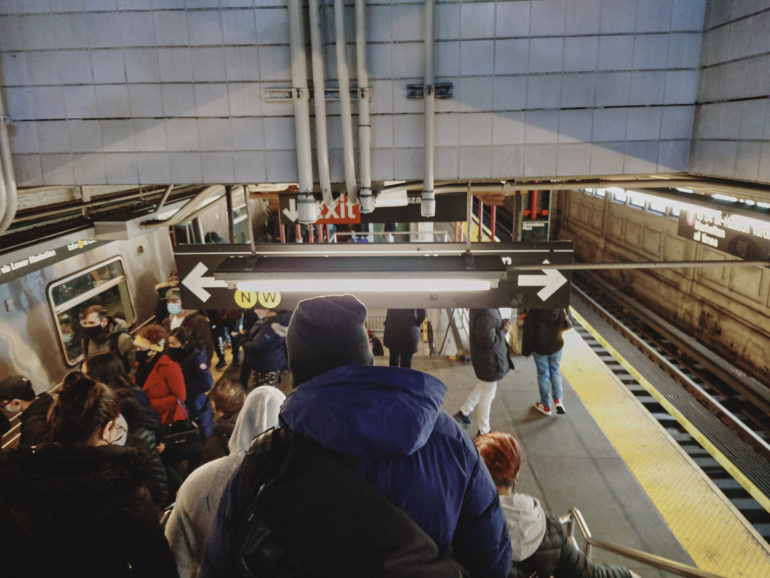
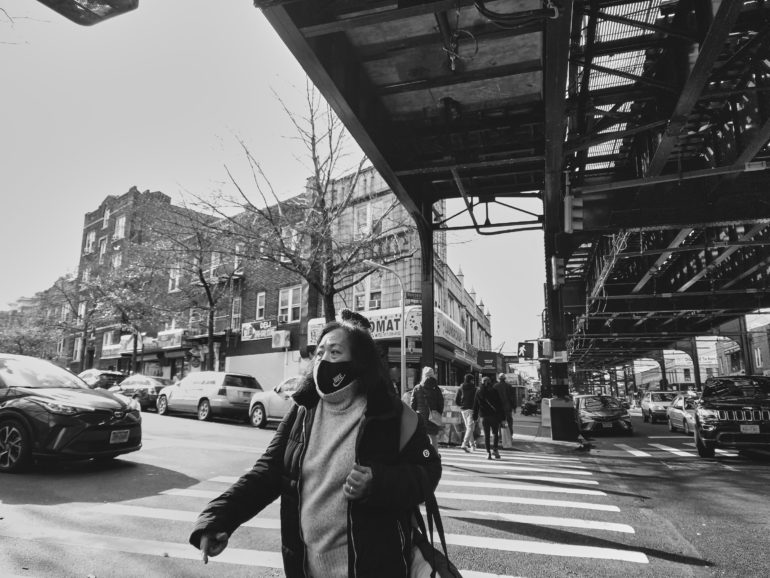
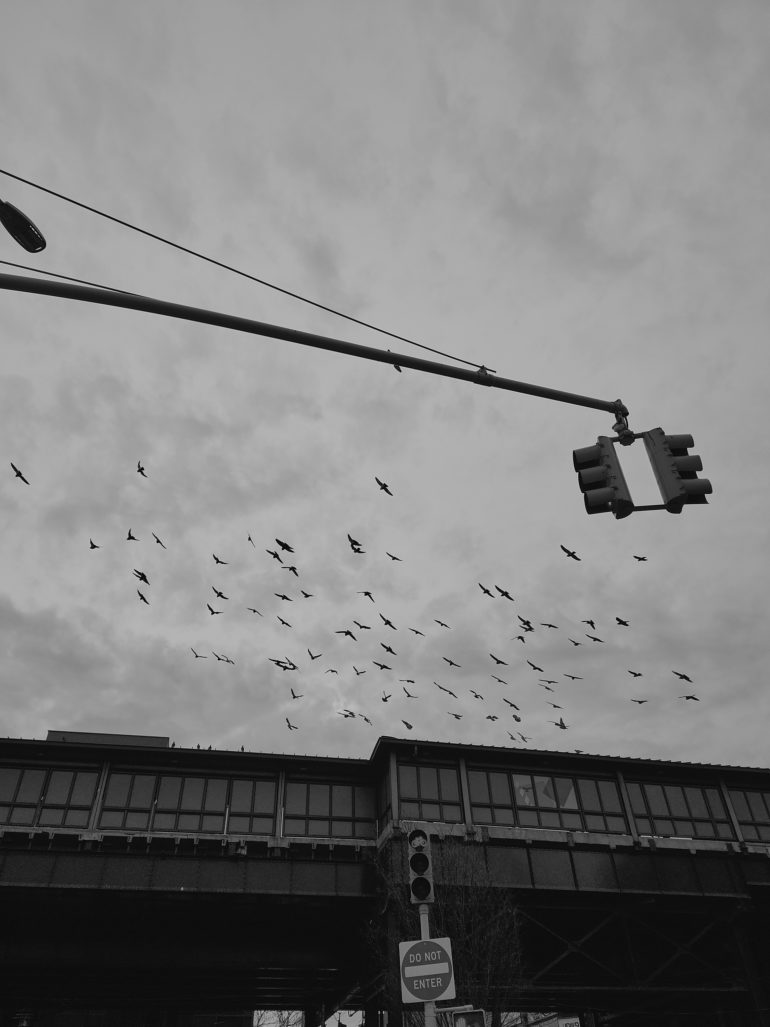
Street photography is one of the best ways for people to explore their city. When you’re traveling, it can help you understand what’s going on around you. And the Sony Xperia 1 II does that better than other phones. Sony created the phone from the ground up for the photography experience. Of any that we’ve used on the market, this one has surprised us the most. If you shoot street photography, then pay attention to this.


Pro Camera Mode with the Sony Xperia 1 II

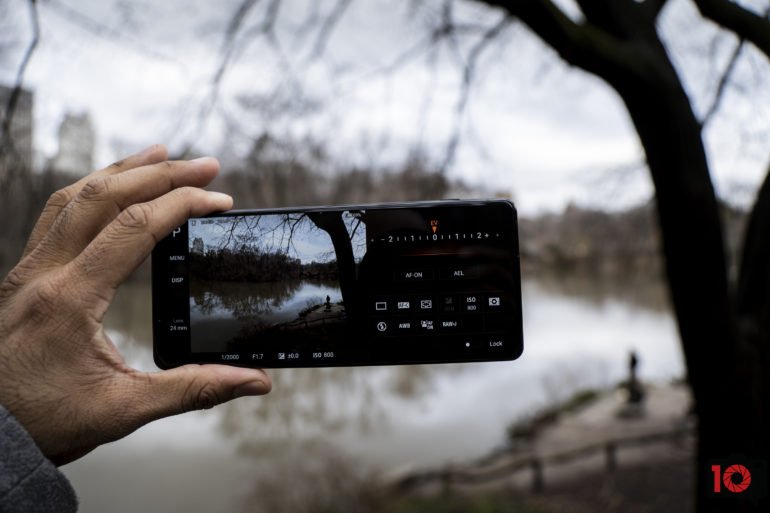
If you’re already a street photographer shooting with Sony, the interface will look very similar. The Pro Camera app borrows its interface from the modernized Alpha camera lineup. There are cool features like Exposure compensation, metering modes, object tracking, continuous autofocus, RAW mode, etc. Plus, you can zoom in and out using the three lenses on the phone.

Curious about those lenses and the camera? Here are the specs from our initial coverage of the phone.

16mm f2.4 12MP Dual Phase Detection AF lens
70mm f2.4 12MP Phase Detection AF
24mm f1.7 12MP Dual Phase Detection AF
All of these optics are from Zeiss
1/1.7″ sensor that’s 50% larger than the one in the previous phone
20fps with autofocus and autoexposure

You’ll end up sticking mostly between the 24-70mm range in the Pro Camera mode. Typically I stuck to the wide-angle 24mm. 70mm is also very cool when you want to be extra careful about social distancing. You can switch to 35mm and 50mm too if you wish, but you’ll get your best results at 24mm. Of course, 16mm is way too wide. But that’s useful when you’re trying to make a scene look incredibly dramatic.

The phone even has a sensor that will tell you when your fingers are too close to the lenses. You’ll find that there are lots of ways to hold the Sony Xperia 1 II.

The Secret Aperture Priority Mode (Sort of)

It’s pretty obvious that lots of street photographers live or die by aperture priority mode. Unfortunately, that’s what’s put off a lot of photographers from using phones. But believe it or not, this smartphone has a secret aperture priority mode. On your phone, load up the Pro Camera app. Then set it to Program mode. Lock your ISO setting, and just go shoot! One can make a solid argument that this is aperture priority. Sure, you can only change the aperture by changing the lenses. But it works the same. We used the camera this way with the wide focus area, ISO 800, and burst shooting mode through most of our shooting.

For those who don’t know, aperture priority lets you control the depth of field or how shallow the scene is. It’s specifically all about the f-stop. The camera controls the shutter and the ISO. Ideally, you’ll lock the ISO.


It felt just like shooting aperture priority on a camera like the Sony a7s III. The cool thing is that you’re getting the light gathering of a wide aperture while getting much more in focus.

The Sony Xperia 1 II also has a full manual mode. This lets you do things like set the phone down and shoot long exposures of scenes. That can be very fun to do.

If you’re looking to get gorgeous bokeh, the Sony Xperia 1 II has that mode too, in the regular camera app. Indeed, you can do pretty much everything you need with this phone. But if you’re shooting street photography, you need stealth, fast autofocus, and light. Luckily, this phone does all of that!


The Dedicated Shutter Button on the Sony Xperia 1 II

Sony put a lot of thought into the Sony Xperia 1 II. The placement of the shutter button is honestly the best I’ve seen in a long time. In fact, this button is dedicated to being the shutter. From a sleep state, you can press the button to boot up the camera. Then hold the phone and shoot with either your index finger or your thumb while holding the camera. When you’re done, put the phone back to sleep and put it away.


This makes shooting street photography so incredibly easy. Better yet, because of how you’re holding the phone, no one will be suspicious. That’s because no manufacturer puts the shutter button where Sony did with the device. The experience is comfortable yet stealthy.

Pro Tip: Sony lets to rebind the volume buttons to be shutter buttons. Generally speaking, we wouldn’t do this unless you’re shooting vertical. Keep them as the zoom rocker. Go from 24mm to 70mm and everything in between.

The Sony Xperia 1 II Lets You Be the Fly on the Wall

Lots of street photographers worry about stealth. We’ve covered how to deal with confrontations here on the site. But using the Sony Xperia 1 II in the right way helps you avoid them. The way that the smartphone is set up lends itself to not alerting anyone that you’re taking a photo. The camera lenses are oriented in a straight line. When you hold the Sony Xperia 1 II and walk down the street, you’re bound to put your thumb on the dedicated shutter button. As you walk past people on the streets at a respectable distance, it will look just like you’re video conferencing or watching a video. But instead, you’ll be shooting your next street photo. It’s a brilliant design that seems quite obvious.

Combine that with the Sony Xperia 1 II’s silent shutter, and you’ve got lots of potential. It’s hard to miss the shot with a 24mm f1.7 lens and a 1/1.7″ 12MP Dual Phase Detection AF sensor.


Pro Tip: As you’re using the Sony Xperia 1 II, bring the screen up to be eye-level. Using the 24mm lens, angle it down ever so slightly. Then just walk and shoot. Hold it down to ensure you never miss a shot.

Use the Burst Function and Object Tracking

Some of the best modern street photographers using a burst function on their cameras. It helps them nail the fast-paced action. And the Sony Xperia 1 II can do just that. Hold the shutter button down, and you can easily shoot a sequence. We sometimes went for 17 photos then picked the one we wanted later on. But the Sony Xperia 1 II can shoot up to 20 fps. This is fantastic for when you’re anticipating something happening in the scene in front of you.

If you really want to track one specific subject in the frame, this smartphone has object tracking. After enabling it in the menu, just tap the subject on the screen. The system will continue to track it as it moves similarly to your Sony a9 II.


Most of the best street photographers use zone focusing. The settings let you do that, too, with the manual focus setting. Realistically though, you don’t need to. It’s got a 1/1.7″ 12MP Dual Phase Detection AF sensor built-in. Even better, though, you can turn the autofocus to be always on. Tap the setting in the Pro Camera Mode. Then you’ll see the phone always tracking subjects. The Sony Xperia 1 II can focus on the wide scene as a whole or just the center. We preferred the wide setting.

Pro Tip: Hold your breath and use two hands! Even the steadiest person can run into issues with camera shake. Because this is a phone and the ergonomics aren’t the same as a dedicated camera, you need to steady it. Press the shutter button down with your thumb. If you’re extra shaky, then control your breath. Personally, I shoot with my breath held in, but some folks do it with all their breath let out. If you’re wearing glasses and a mask, this could make shooting a bit more difficult. Bring a Micro-Fiber cloth with you to clean your glasses and the phone’s lenses. Certain masks do a better job too.

RAW Shooting

The Sony Xperia 1 II shoots RAW photos in the DNG format. So you can shoot photos and then edit them later. The Sony Xperia 1 II already takes great photos. But with RAW, you can do even more. Shoot the RAWs, and then load them up into your favorite app like Adobe Lightroom Mobile. Then edit them with your presets synced from your computer. Apply adjustments like clarity, highlight control, sharpness, etc. Best of all, just have fun and get creative. That’s what the Sony Xperia 1 II is really all about.

Original


RAW Edit

Some of our favorite presets are by RNI Films. We like adding the look of old-school film emulsion to our street photography. The classic look always gets us!

At $1,199.99, it’s nice to know that the Sony Xperia 1 II is so capable. As a working journalist, we know that our phones can be integral parts of our workflow. With the latest Android version on it, the Sony Xperia 1 II is both a capable tool and an essential lifestyle device. If you’re a street photographer, this phone is as good as it gets.