
If you love film photography, you’re missing out if you don’t use medium format film cameras. Arguably, this is where you’ll really to start a major advantage over digital photography. There’s also things like the look, the feel, and the overall approach to how you work with subjects. You have to be a million times more conservative with how you shoot photos. So we dove into the Reviews Index to find some of the best medium format film cameras we’ve used.
Why We Chose These Medium Format Film Cameras
First off, we’ve reviewed a bunch of medium format film cameras over the years. And we’ve specifically chosen these for a variety of reasons. With the exception of the Mamiya 6, all of these cameras are completely analog and don’t need batteries at all. Of course, if you get a metered prism for the two SLRs, that’s the exception. But a fully analog camera will always work no matter what. The Mamiya 6 was chosen because the system has arguably some of the best lenses ever made. It’s also incredibly versatile, and I love the square format.
No Hasselblad? Yes. The reason for this is because of the pricing. That’s also why we haven’t reviewed or listed the Contax 645, Mamiya 645, etc. We also chose the Mamiya RB67 because it’s often more reliable than the RZ67. We also didn’t choose a 645 format camera because digital 645 arguably outdoes film at this point.
Mamiya 6: Square Medium Format
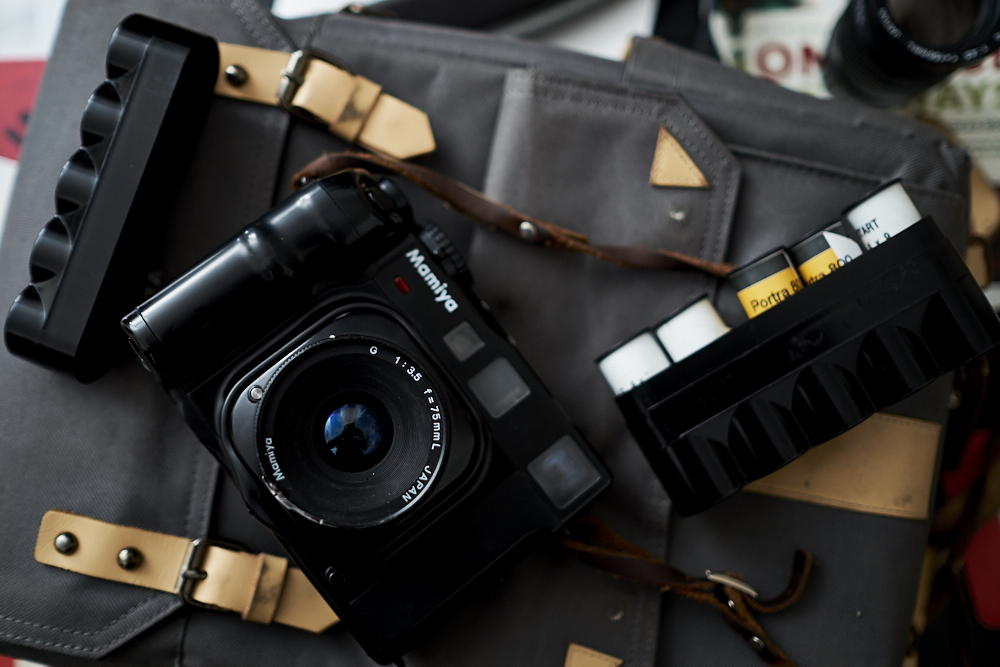
“I’ve been on the search for the perfect medium format film camera for me for years now. This, the Fujifilm GW690 III, and the Mamiya RB67 Pro S are amongst my favorites. I prefer to have a multitude of formats and cameras that can handle different situations accordingly. But of any of those, the Mamiya 6 seems to offer the most versatility. I can use it for documentary work, studio work, landscapes, portraiture, and so much. It’s just meant to be a damned good professional film camera.”
Mamiya RB67: 67 Medium Format
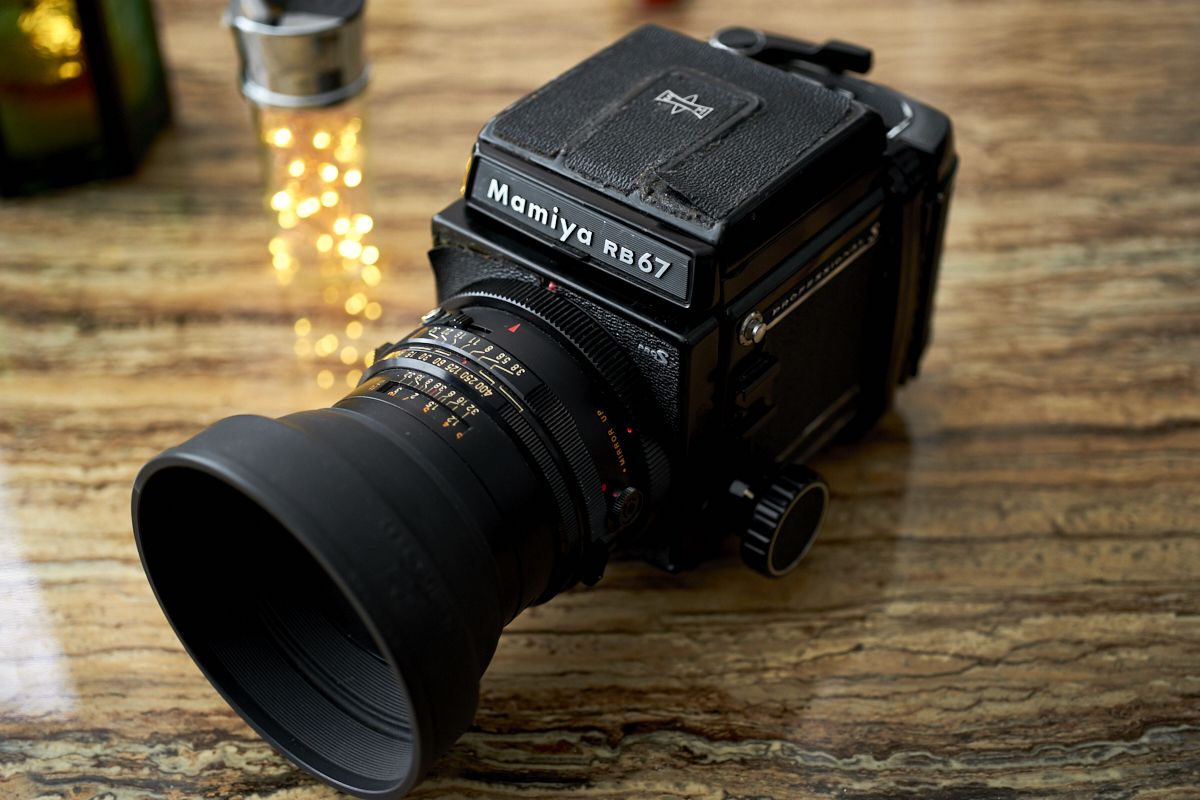
“The Mamiya RB67 Pro S is a camera meant for the serious photographer that wants to stick to analog. It’s a studio and landscape camera that will most likely require a tripod from you. They’re fantastic to use; but also keep in mind its difficulty.”
Pentax 67: Obviously, 67 Format
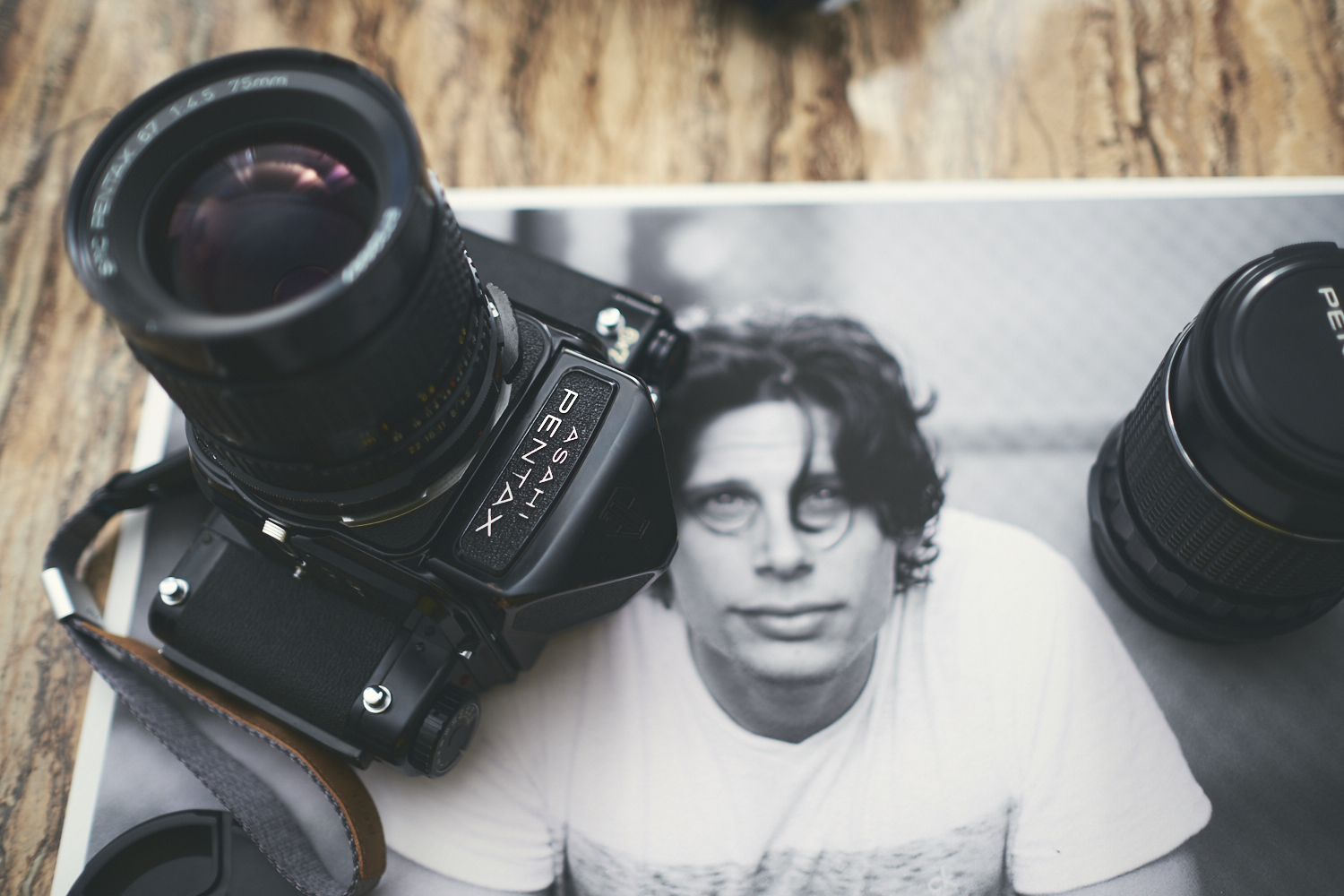
“The Pentax 67 is honestly a fantastic medium format SLR camera. It has found a way into the heart of so many photographers. With a plethora of fantastic lenses, it is surely best used when shooting with natural light outdoors. It’s not the best for studio work and location work with a flash due to the long flash duration of 1/30th. You’ll also want to use wider lenses for something like that.”
Fujifilm GW 690 III: Big is Beautiful
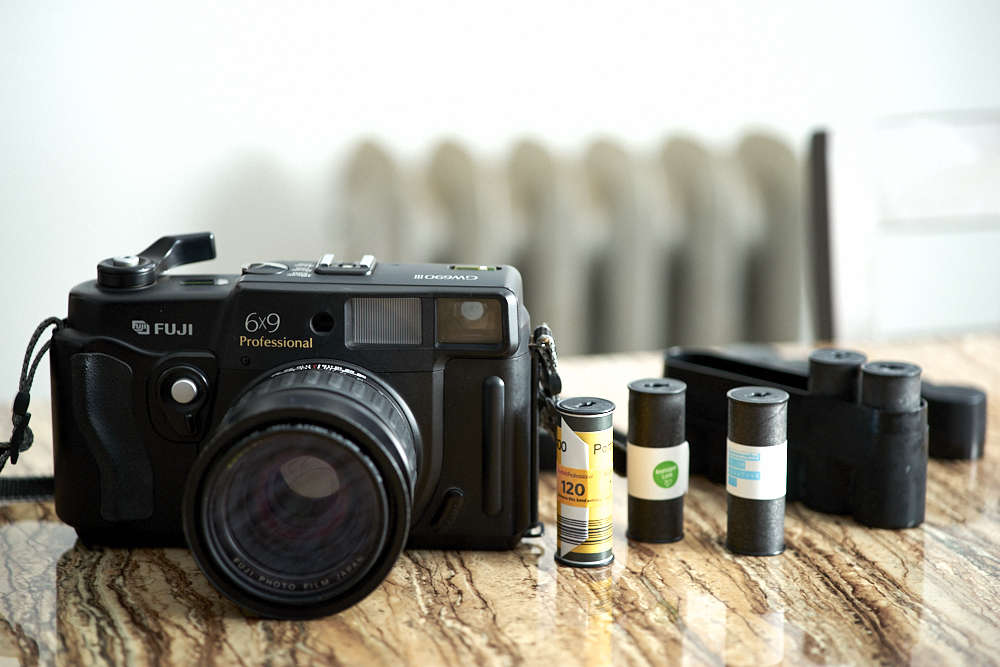
“I’ve been using the Fujifilm GW690 III for a really long time now. By far, it’s my most used medium format film camera, even over my Mamiya RB67 Pro S. That’s because it’s got a small(ish) size, fantastic lens, rangefinder focusing, and it’s reliable. Sure, you’re only getting eight shots per 120 film roll, but if you’re careful then that’s enough.”


