Showing posts with label Color film. Show all posts

7.1.23

4 Favorite Medium Format Film Cameras


If you love film photography, you’re missing out if you don’t use medium format film cameras. Arguably, this is where you’ll really to start a major advantage over digital photography. There’s also things like the look, the feel, and the overall approach to how you work with subjects. You have to be a million times more conservative with how you shoot photos. So we dove into the Reviews Index to find some of the best medium format film cameras we’ve used.

Why We Chose These Medium Format Film Cameras

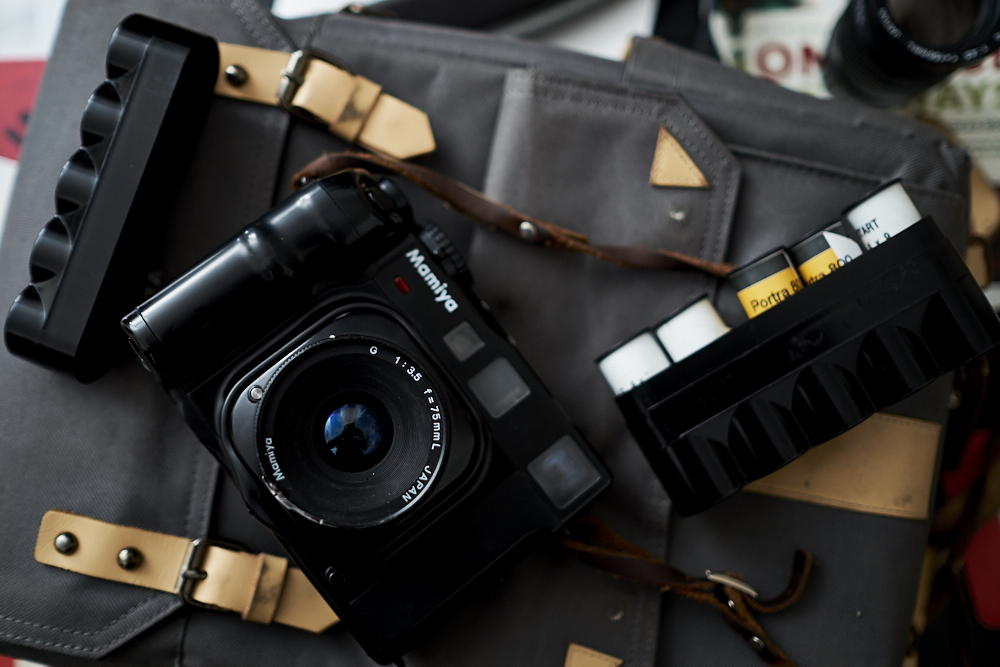
First off, we’ve reviewed a bunch of medium format film cameras over the years. And we’ve specifically chosen these for a variety of reasons. With the exception of the Mamiya 6, all of these cameras are completely analog and don’t need batteries at all. Of course, if you get a metered prism for the two SLRs, that’s the exception. But a fully analog camera will always work no matter what. The Mamiya 6 was chosen because the system has arguably some of the best lenses ever made. It’s also incredibly versatile, and I love the square format.

No Hasselblad? Yes. The reason for this is because of the pricing. That’s also why we haven’t reviewed or listed the Contax 645, Mamiya 645, etc. We also chose the Mamiya RB67 because it’s often more reliable than the RZ67. We also didn’t choose a 645 format camera because digital 645 arguably outdoes film at this point.

Mamiya 6: Square Medium Format
“I’ve been on the search for the perfect medium format film camera for me for years now. This, the Fujifilm GW690 III, and the Mamiya RB67 Pro S are amongst my favorites. I prefer to have a multitude of formats and cameras that can handle different situations accordingly. But of any of those, the Mamiya 6 seems to offer the most versatility. I can use it for documentary work, studio work, landscapes, portraiture, and so much. It’s just meant to be a damned good professional film camera.”

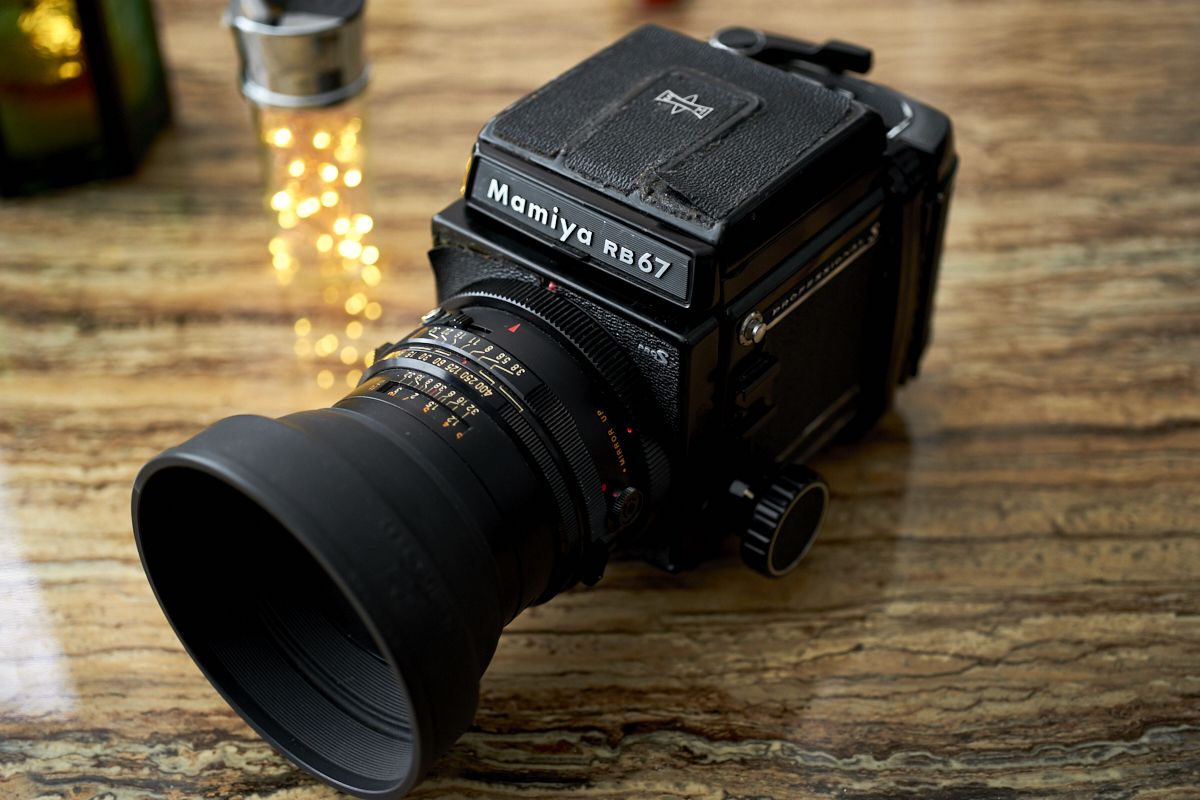
Mamiya RB67: 67 Medium Format
“The Mamiya RB67 Pro S is a camera meant for the serious photographer that wants to stick to analog. It’s a studio and landscape camera that will most likely require a tripod from you. They’re fantastic to use; but also keep in mind its difficulty.”

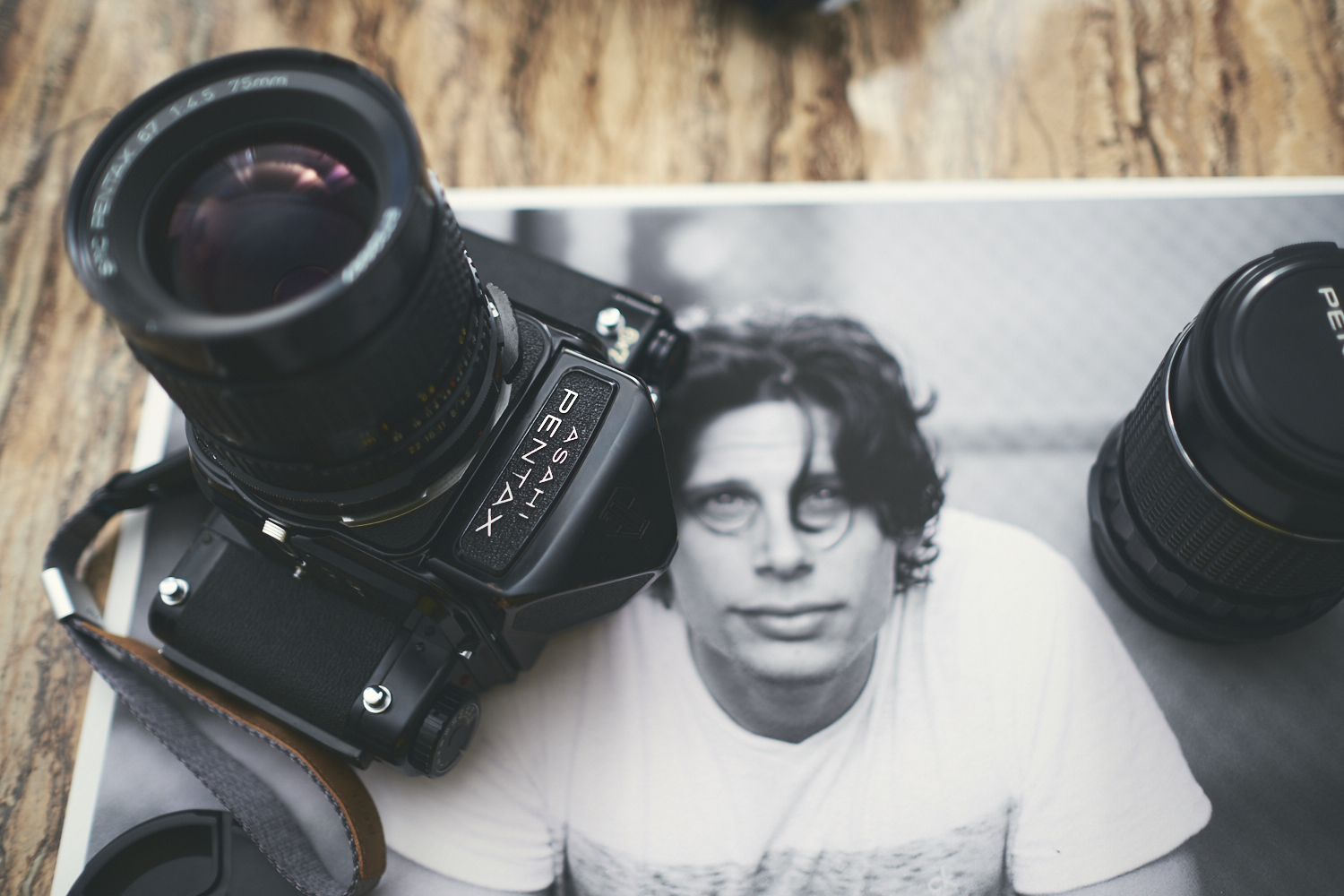
Pentax 67: Obviously, 67 Format
“The Pentax 67 is honestly a fantastic medium format SLR camera. It has found a way into the heart of so many photographers. With a plethora of fantastic lenses, it is surely best used when shooting with natural light outdoors. It’s not the best for studio work and location work with a flash due to the long flash duration of 1/30th. You’ll also want to use wider lenses for something like that.”

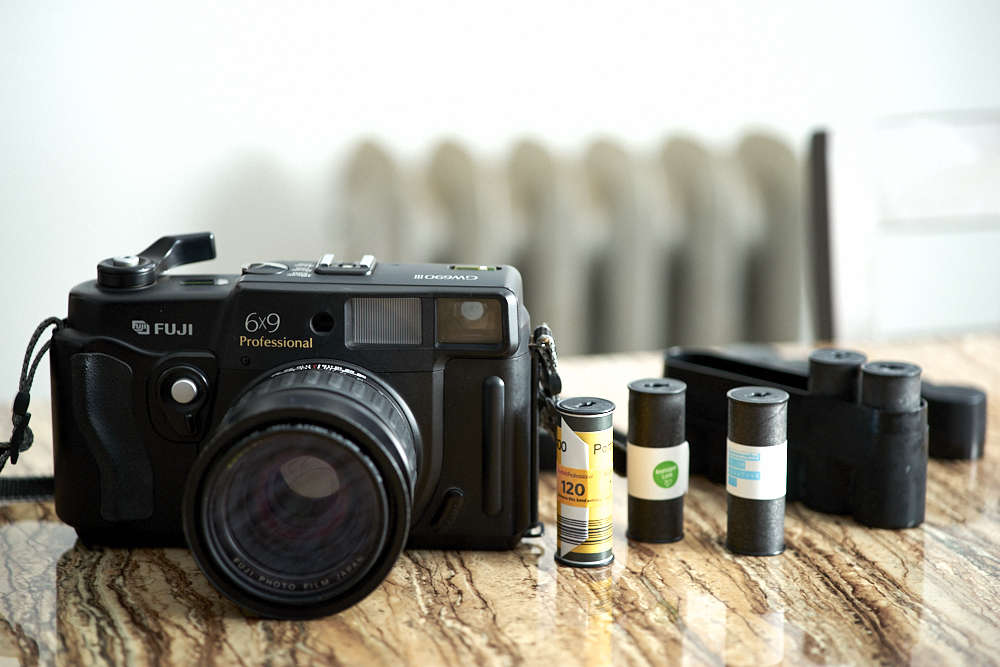
Fujifilm GW 690 III: Big is Beautiful
“I’ve been using the Fujifilm GW690 III for a really long time now. By far, it’s my most used medium format film camera, even over my Mamiya RB67 Pro S. That’s because it’s got a small(ish) size, fantastic lens, rangefinder focusing, and it’s reliable. Sure, you’re only getting eight shots per 120 film roll, but if you’re careful then that’s enough.”

25.6.22

Valoi 360 Aims to Make Scanning Film Cheaper and Easier


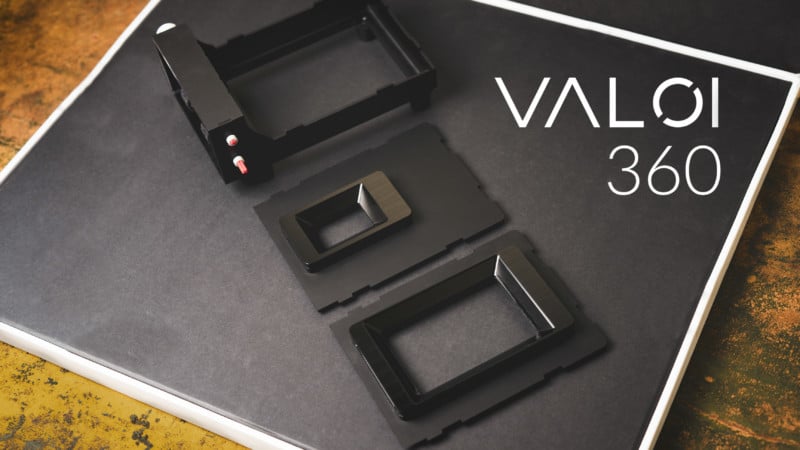
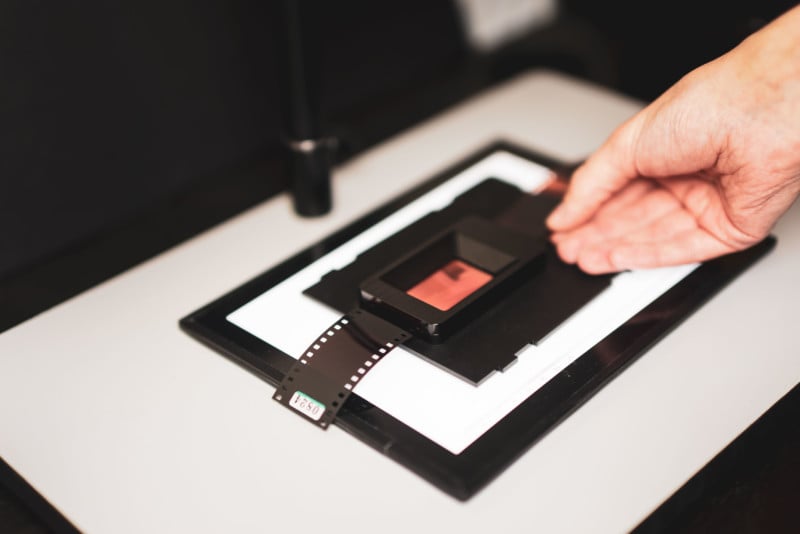
The Valoi 360 is a system of modular tools that aims to make it much easier and cheaper to digitize 35mm or 120 film negatives using a digital camera. It’s made to be faster and more effective than a flatbed scanner.

The project was started by photographer Arild Edvard Båsmo who partnered with mechanical engineer Wicher van Lambalgen to mass-produce a design Båsmo created to combat the generally expensive and slow methods of film scanning that are commercially available.


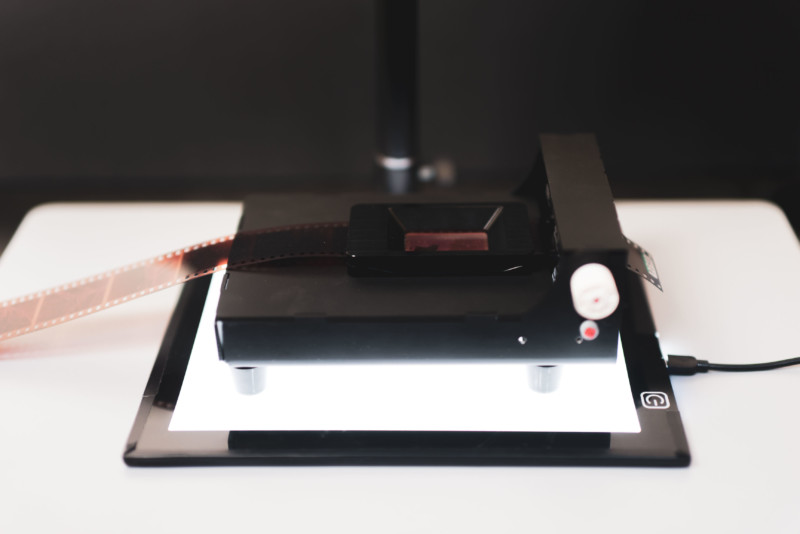
The system consists of three main components: Two film holders – one for 35mm and one for 120 – and the Film Advancer. 

The film holders can be used on their own and are supplied with rubber dome feet, while the Film Advancer is an upgrade that will help you scan more quickly and with more precision.


Advancing with a thumb-knob has several benefits: By rotating the knob to forward film instead of pulling directly at the film, there is less chance of knocking the device out of place. 

It also makes forwarding to the next frame much quicker. Finally, the roller assures that you don’t accidentally touch your film direclty.


It’s a very simple design that appears to do exactly what it promises. 

The reason the two started a Kickstarter is that in order to maintain a low cost, they had to switch from a machined design to an injection-molded one. If you’ve ever worked in manufacturing, you’re well aware that while injection molding allows for mass production much faster and cheaper, the initial mold is extremely expensive. 

Specifically, the holders use an s-curve shaped track to mechanically flatten the film to better allow it to be scanned, and Valoi founders say that design specifically is expensive to create molds for. Båsmo says that this design was chosen because it makes the film lay flatter than any other solution he’s found on the market and is therefore worth the extra effort to bring to life.


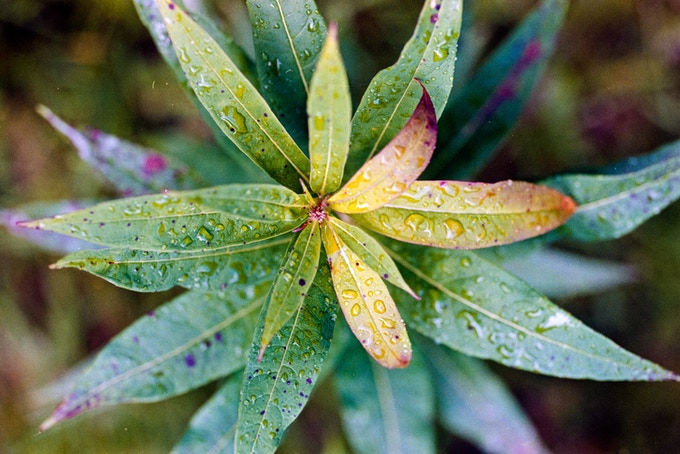
Film: Fujifilm C200, 35mm, taken on a Nikon FA. Scanned with VALOI 35mm Holder and Sony a6300 digital camera.

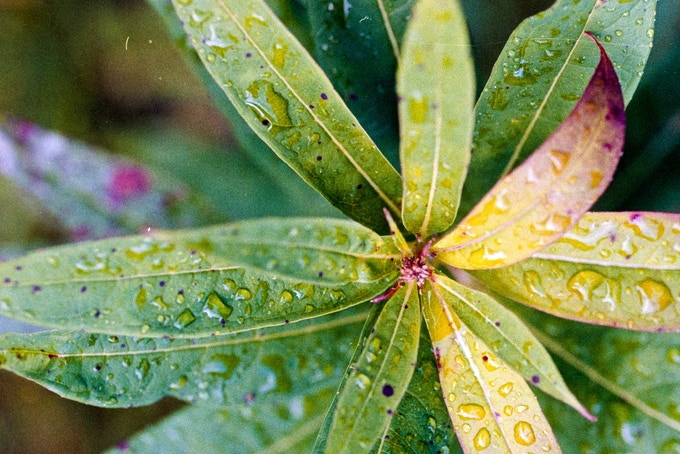
Here is the same image, but cropped to show detail.

The options start as low as $22 for a single holder but can get as expensive as $212 if you want the Film Advancer and multiple holder sizes. Still, the Valoi team argues this is less expensive than other options on the market.

The production value of the video above harkens back to the early days of the crowdfunding platform and to what Kickstarter was originally intended for. Big companies with larger budgets that use Kickstarter mostly as a hype platform can become exhausting, but what Båsmo and van Lambalgen feels very down to earth and earnest. On the flip side, it’s not clear if either of the founders has enough experience in manufacturing to deliver a finished project even if they hit their goal: neither has completed a Kickstarter project before.


JARON SCHNEIDER

23.6.22

8 New Film Photography Announcements Ranked in 2022


It didn’t seem like there was much to cheer for film photographers in 2021. Supply chain issues, global film shortages, and price rises led to a wave of discontent among film photographers, leading many to cry into their soy lattes and burn their berets.

But over the last few months, the sun has started to shine through the clouds with announcement after announcement gladdening the hearts of film photographers and emptying out our wallets. In this article, I’m ranking eight of the recent new film announcements.
8. Kosmo Foto Agent Shadow

Collecting the wooden spoon in 8th place is Kosmo Foto’s Agent Shadow. Things looked so bright for our secret agent friend following a successful Kickstarter campaign in August 2021. The film community was excited to get their hands on the beautifully designed film box, and rewards, which included a graphic novel, a briefcase, and even working Soviet film cameras.


Like Kosmo Foto’s first film Mono, this is not a new film, but an existing film rebranded with new packaging. Unfortunately, the production of the film was delayed several times. Perhaps Agent Shadow was caught behind enemy lines while on a secret mission?

In Kickstarter updates, Kosmo Foto’s founder Stephen Dowling clearly identified the delays were from the manufacturer. Industry rumours suggest this film could be Harman Technology’s Kentmere 400, but the identity of the film is officially unknown. Harman is also the manufacturer of Ilford film lines.


Although I’ve put Agent Shadow in last place, there are some positives. Agent Shadow is now beginning to make its way out into the world, with film being dispatched over the last couple of weeks. And it must be said, Kosmo Foto has the coolest branding and packaging in the film community. Who wouldn’t want a box of this on their shelf?
7. Kodak Gold 200 in 120 format

In what could be a controversial move, I’ve put Kodak Gold in 120 format in 7th place. Kodak Gold 200 is not a new film stock, and it’s not even new to the 120 format, but we welcome it back with open arms after a 25-year hiatus.


A lot of people have been asking for Gold 200 in 120 format, so this is a positive sign that Kodak is listening to consumers. I’ve enjoyed seeing how happy photographers are to finally buy and shoot this, and the images posted to social media look fantastic.

I’m happy that Gold has been made available in 120 format. However, the downside is the lack of supply of Kodak’s consumer line: Gold 200 and Ultramax 400 in 35mm. Many stores have had a limited supply for well over a year.


It’s been said that due to pandemic supply chain shortages, Kodak prioritized the production of the professional Portra film over those lines. If you look carefully at the Gold 120 pro pack, what do you see? The word "professional" right there on the box. So, it’s great they’ve brought Gold 200 to 120, but it’s seem to come at a cost of other consumer films not being available.

Added to this mix is the crazy situation where Fujifilm is selling 200 speed film in North America, which, by all reports, has an identical data sheet to Kodak Gold 200.
6. Orwo Wolfen NP100

The last decade has not been great for the European film industry, but with some key developments in Germany recently, hopefully things are on the up.

In late April 2022, Orwo announced a new black and white film, WOLFEN NP100. The company describes the film as “an exceptionally fine grain 100 ASA, 36 exposure, black and white photographic film.” It’s being made in a strictly limited run of 36,000 DX-coded canisters.


It’s the first brand new and professionally finished photo film launched by Orwo in decades. The film is still produced on the original site in Bitterfeld-Wolfen, north of Leipzig, where film manufacturing started in 1910.

Orwo say that Wolfen NP100 differs from its stablemate Wolfen UN54 because it has an additional dyed anti-halation layer which improves sharpness. This layer is positioned between the base material and the emulsion layer and has the task of preventing the formation of a reflection halo. Wolfen UN54 has been sold by Lomography under the Potsdam name.

Along with this announcement, Orwo has launched a new online shop selling their films directly to the public. Some of these films have previously only been available to consumers in bulk rolls, while others have been available in single rolls for under other names such as Lomography.
5. Orwo Color NC 500

In fifth place, I’ve put a very exciting announcement from Orwo, a new color cinema film. This returns the German manufacturer to color film production for the first time in around 50 years.

Orwo teased a new colour film in late 2021, but many assumed it would be a motion picture stock with remjet that would need to be processed in the ECN-2 process. This is not as accessible a product for many film photographers, as most labs do not process film with remjet.


Orwo went and surprised us, though: the newly announced NC500 is a color cinema film for C41 processing. They say that at the core of our new color film lies a unique chemical formula based on the wonderful and legendary Agfa stock last used in the Oscar-winning film "Out of Africa." They go on to say: “Famous for their greens, desaturated shadows and enhanced grains, these are all aspects that we are embracing for our new addition.”

As with Wolfen NP100, this is a limited edition run, which is kind of puzzling. One theory is that during their research and development, they made a viable product that they are now releasing, and future films will be improved and refined.

Preorders launched on June 1, 2022 with NC500 going on sale at 14.90 Euros a roll. Shipping is expected to begin in July 2022.
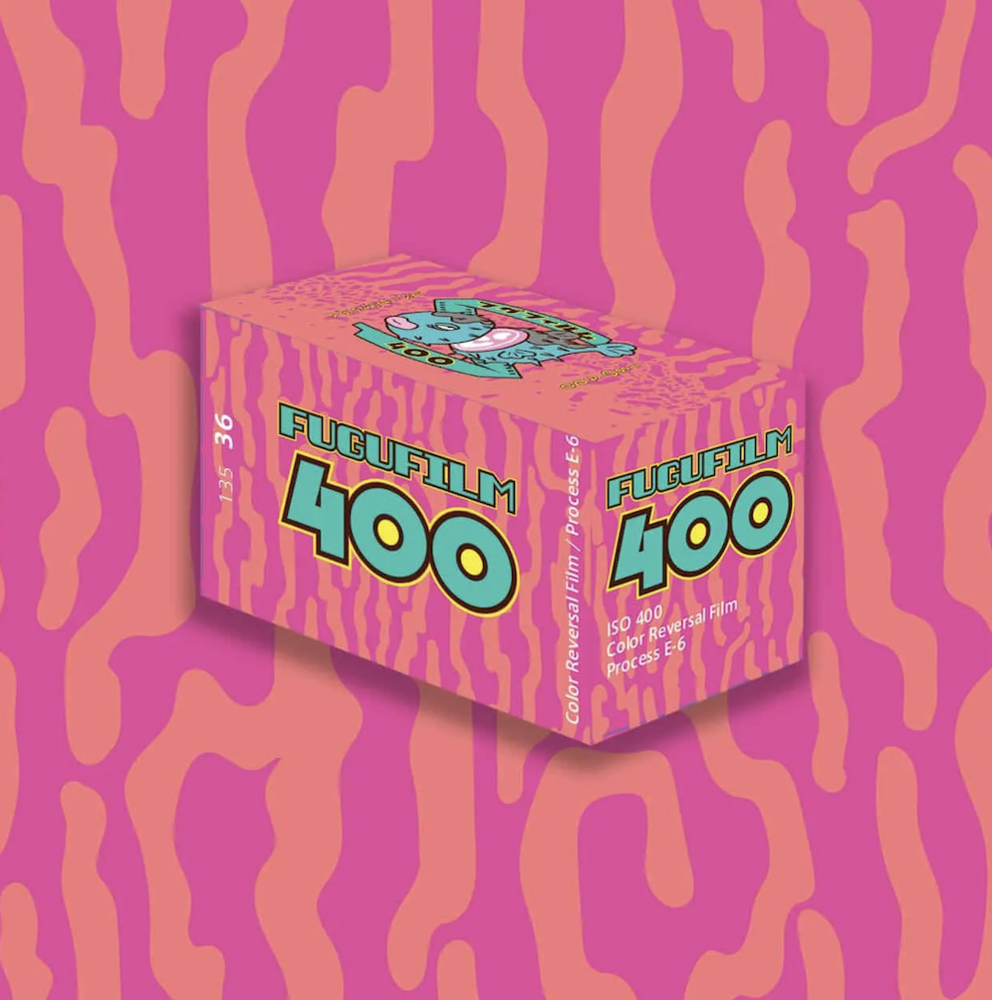
4. Japan Camera Hunter FuguFilm

Hot on the heels of the Gold 120 and Cinestill announcements, Japan Camera Hunter got in on the act to announce their new ISO 400 color slide film called FuguFilm.


Fugu is, of course, Japanese for pufferfish, the consumption of which can be lethal to humans if not prepared correctly. In an article on their website, JCH explained the name started as a joke during a conversation about a Simpsons episode where Homer eats a fugu in Japan. The film branding looks bright, fun, and dare I say, a little garish.

When this product was teased online, there wasn’t much detail, which led many people to assume this was some long-forgotten freezer stock that would be rebadged under the JCH brand.

A few days later, they came out and said that Fugu was an entirely new emulsion that had been in the works for three years. Not only that, it would be the first new color slide film in around a quarter of a century, since Fujifilm launched Fortia.


To bring a new color slide film to market without any crowdfunding is quite a feat. We all know that there were big delays between Kodak announcing the return of Ektachrome and when it actually hit the shelves. Added in the mix is the banning of certain chemicals used in the production and processing of slide films. Bringing a new 400 speed color slide film to market is truly impressive.
3. Lomography LomoChrome Turquoise

If you’d asked me at the start of this year which film announcement I was looking forward to most, it would’ve been this one.

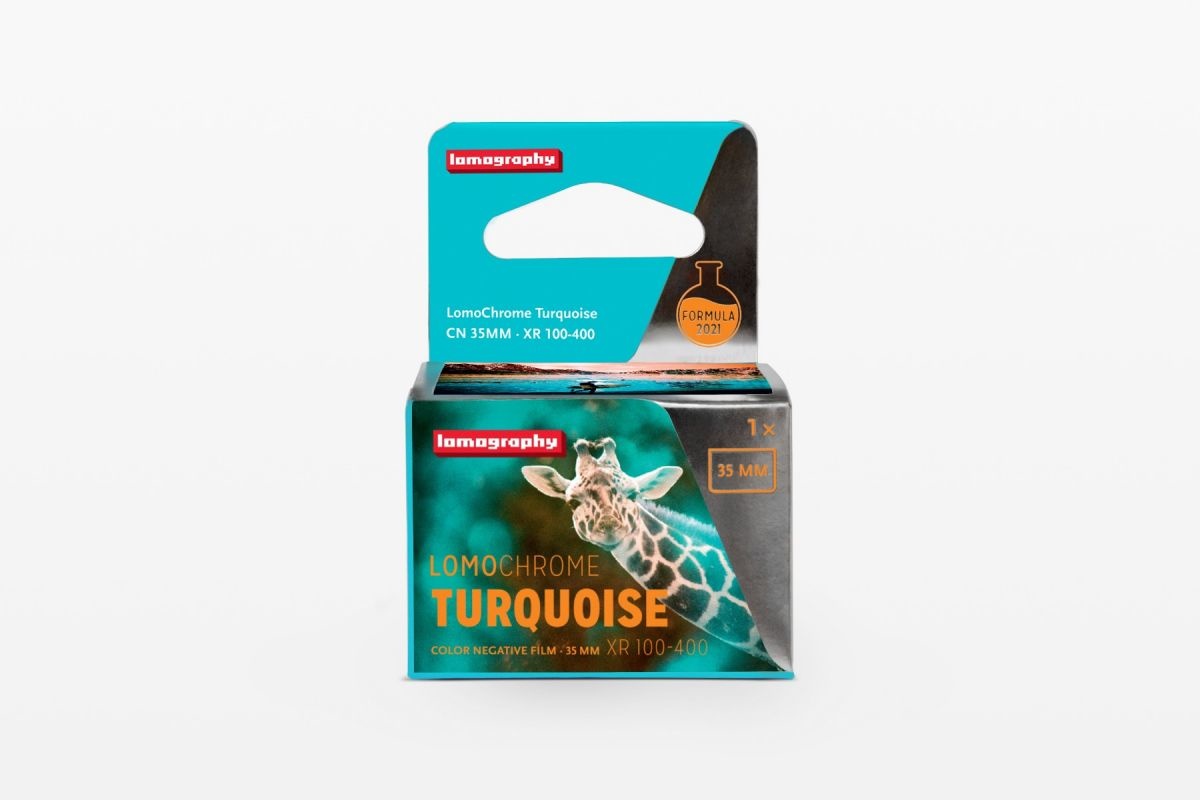
Lomography Turquoise was a popular color shift film that was first released in 2015. The film transforms everyday colors into shades of deep emerald, cobalt, and cyan, while tints of blue fade into gorgeous golden gradients.


Since it was discontinued in 2017, rolls have changed hands on eBay for ridiculous sums of money. If you were sitting on a few rolls waiting to make a killing, you might have missed your chance.

Lomography announced the return of Turquoise in November 2021 and wasted no time opening up preorders in three formats: 35mm, 120, and 110. This time around, it’s a brand new formula for turquoise, so it will be interesting to see if there're any differences to the old version. Customers who got in last November should have their film shipped in June 2022.


The full name of the film is LomoChrome Turquoise XR 100-400. Like Lomography’s Purple film, Turquoise is a variable ISO film; you can rate it anywhere from ISO 100 to ISO 400 for different results. In the second half of 2022, I’m running a Turquoise film competition and community zine via my podcast Matt Loves Cameras.

2. CineStill 400D

It was tough deciding who to put in second and first place, but after much deliberation, I’ve put CineStill 400D in second place. Through their successful preorder campaign, CineStill has confirmed they are making 400D in 35mm, 120, large format, and hopefully also 220.


Cinestill says that 400D is a new film they have been developing for years with their manufacturing partners around the world. In the FAQ on their website, CineStill says that it is not a repackaged motion picture stock without remjet, but it was specifically designed for still photography. “This new film is based on advanced technology found in motion picture emulsions, and at the same time delivers features exclusive to still photography materials in both unexposed and processed states.”


CineStill 400D shot on the Fujifilm Klasse S. Image Copyright © Matt Murray

As for the term "dynamic" in the title, CineStill claims that 400D has “pretty amazing exposure latitude.” It can be exposed at EI 200 to EI 800 with normal processing and push-processed up to EI 3200. On the canister, there are little checkboxes for you to label how many stops you’ve pushed the film: 1 stop, 2 stops, or 3 stops. That’s right, this film is practically begging for you to push it.


I love the look of the CineStill 400D shots rated at ISO 1600 (pushed two stops). It was almost dark when I took this photo on my Fujifilm Natura Black f/1.9. Image Copyright © Matt Murray.

When this film was announced, I ordered 20 rolls straight away. Much to my delight, my order arrived from California in late May, and I’ve shot two rolls already.


I shot my first roll in my Fujfilm Klasse S at box speed. I loved the images from this roll; the film seems to have a soft palette of colours compared to other color negative films on the market. Many images on the roll featured subtle and not-so subtle halation.


Not the best photo I've ever taken, but check out the halation in this 400D photo shot in bright sunlight on my Fujifilm Klasse S. Image Copyright © Matt Murray.

Some photographers have commented on my images to say that 400D has a similar to Kodak Vision3 250D.

The second roll I’ve shot was my favorite. I put an ISO 1600 sticker on it and shot it through my Fujifilm Natura Black f/1.9. I asked my lab to push it two stops, and the results look fantastic. I’m looking forward to shooting more. Perhaps this will become my favorite film by the end of 2022.


Dial a Cliché: a gas station shot on CineStill 400D rated at ISO 1600, pushed two stops. Fujifilm Natura Black f/1.9. Image Copyright © Matt Murray.
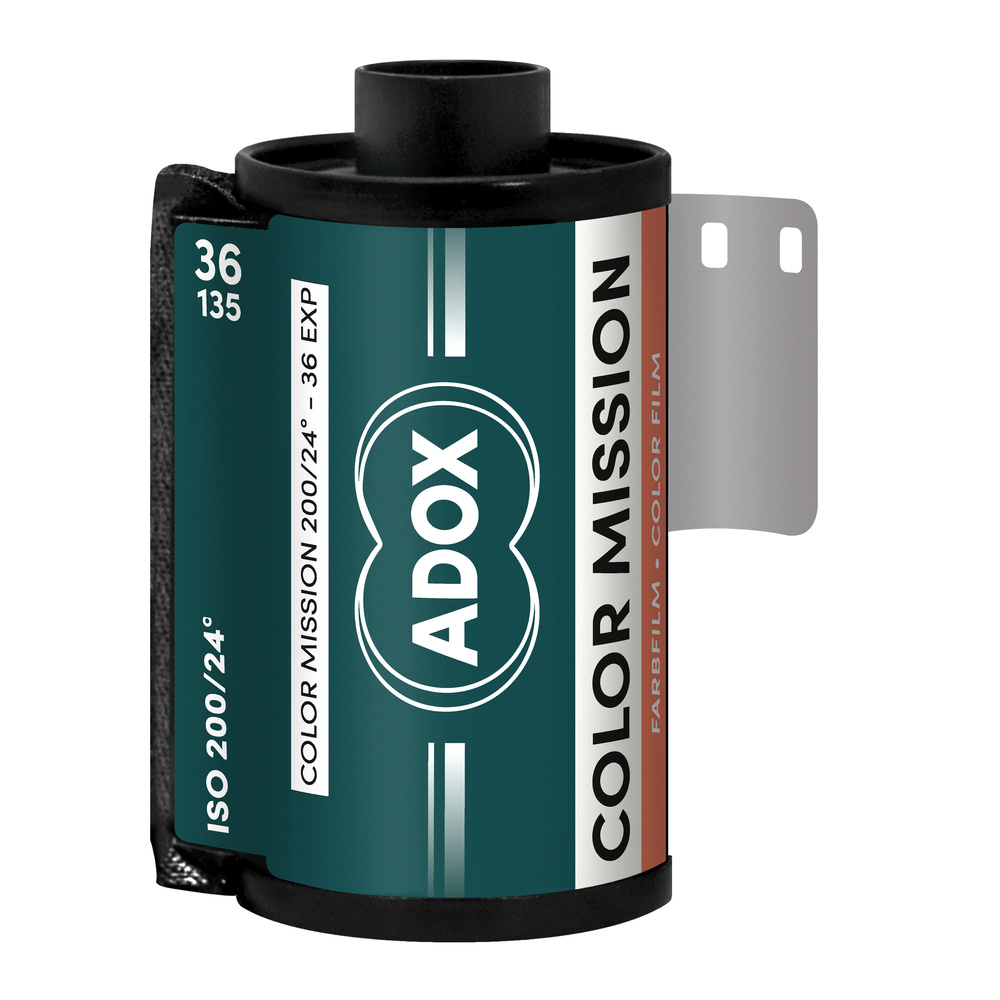
1) Adox Color Mission 200

In first place is the impressive Adox Color Mission 200. This was yet another surprise announcement: a new color film coated by one of Adox’s partners before they went bankrupt. The film has been kept in cold storage until its release in March 2022.


Adox are selling this film to fund research and development of a brand new color film in a few years' time. They claimed to have enough Color Mission until that new film was produced, but that was before everyone went completely bonkers and bought up the first batch, so who knows how long it will last.


Adox Color Mission shot on the Contax T3. Image Copyright © Matt Murray.

What made me give this the number one spot was the rich vibrant colours you can capture: minty greens, orangey reds, shades of blue and deep rich oranges. The film doesn’t have huge dynamic range, so it is interesting to compare with Cinestill 400D.

I love the four rolls of Color Mission I've shot so far, and I'm looking forward to shooting more. My first two rolls were shot on Contax G1 cameras and my second two rolls were shot on premium point and shoot cameras. Often, the highlights are a little bright, with some images looking like cross-processed slide film.


I love the vibrant colors of Adox Color Mission. Shot on Contax T3. Image Copyright © Matt Murray.

Matt Murray

25.10.21

As the Photographers’ Gallery in London turns 50, we look at five of its defining shows

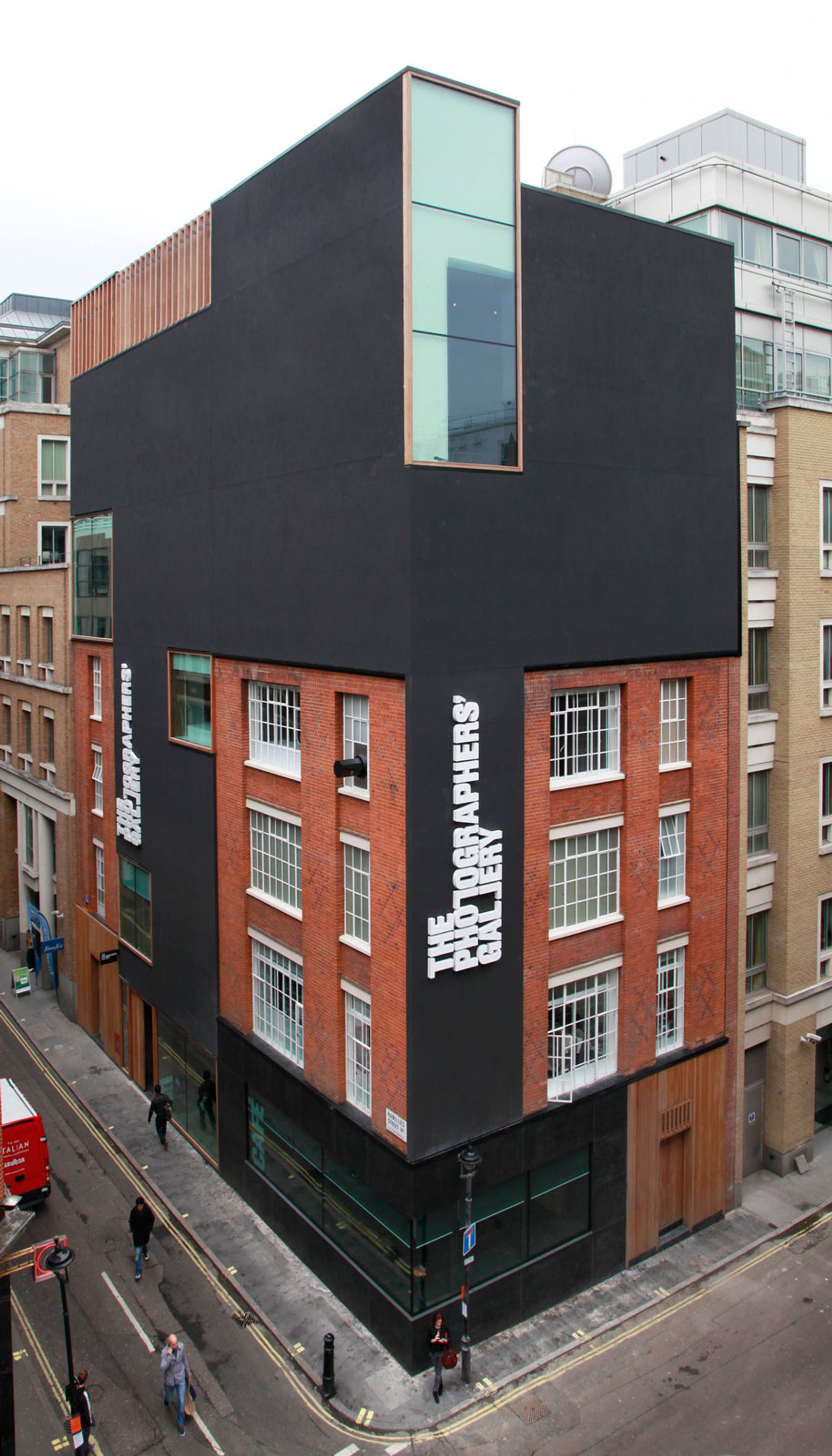
Sue Davies, the founder of the Photographers' Gallery standing at its entrance 
on Great Newport Street, between Leicester Square and Covent Garden.

The institution's director Brett Rogers has selected five key shows from the past five decades.

“Everyone put pressure on her to call it the Photography Gallery,” says Brett Rogers, the director of the Photographers’ Gallery in London. “But she said no, it’s a place for photographers, we want them feel comfortable here.” The “she” in question was Sue Davies, the founder and first director of the Photographers’ Gallery, which celebrates its 50th anniversary this year.

The Photographers’ Gallery was the first public institution dedicated to photography in the UK. In the lead up to its formation, Davies had been working at the Institute of Contemporary Art where she met several photographers who like her felt that London was in need of a space dedicated to the medium. One of her key goals was “to gain recognition for photography as an art form in its own right”. Davies drummed up support for the venture and raised funds, which included remortgaging her own house, before finding a space on Great Newport Street, near Covent Garden. And on 14 January 1971, the Photographers’ Gallery was born.

“[Davies] wanted to create a space for photographers who aspired to be artists and also for photographers who were photojournalists and trying to find their way within the industry, within editorial and advertising,” Rogers says. “That was quite surprising. She wanted to both recognise it as an art form but also to acknowledge the very important roles played by applied photography: magazines, print press, medicine, Nasa photography, picture postcards.”


The Photographers' Gallery moved to its new home just off London's Oxford Street in 2012

In the first year alone, the new gallery hosted 19 exhibitions. Among these were shows of photojournalism; landscapes; Polaroids by Andy Warhol; Zoe Dominic’s pictures of ballet dancers; a Jacques Henri Lartigue survey; sepia prints of London in the 1870s; and a group show of erotic photography. “All I ever say is, her view was very eclectic and Catholic and that was a good thing,” Rogers says. “[Davies] embraced the whole breadth, and we do today.”

Davies was director of the gallery for two decades, stepping down in 1991. She was followed by Sue Grayson Ford, Paul Wombell and in 2005 Rogers took over. The gallery moved to its new space in central London, just off Oxford Street, in 2012. For the past eight years Rogers has been planning the Soho Photography Quarter, an outdoor pedestrianised zone around the gallery “where you can see photography 24/7 free of charge”. The area underwent a soft launch in September with the final completion and formal opening planned for February 2022. “It’s going to be safe, and beautifully lit, welcoming and not smelly,” says Rogers, referring to what was often a urine-scented alleyway.

Rogers took some time away from planning the future of the institution to cast her mind back to its past and select five exhibitions that have defined the Photographers’ Gallery.
Five key exhibitions at The Photographers’ Gallery


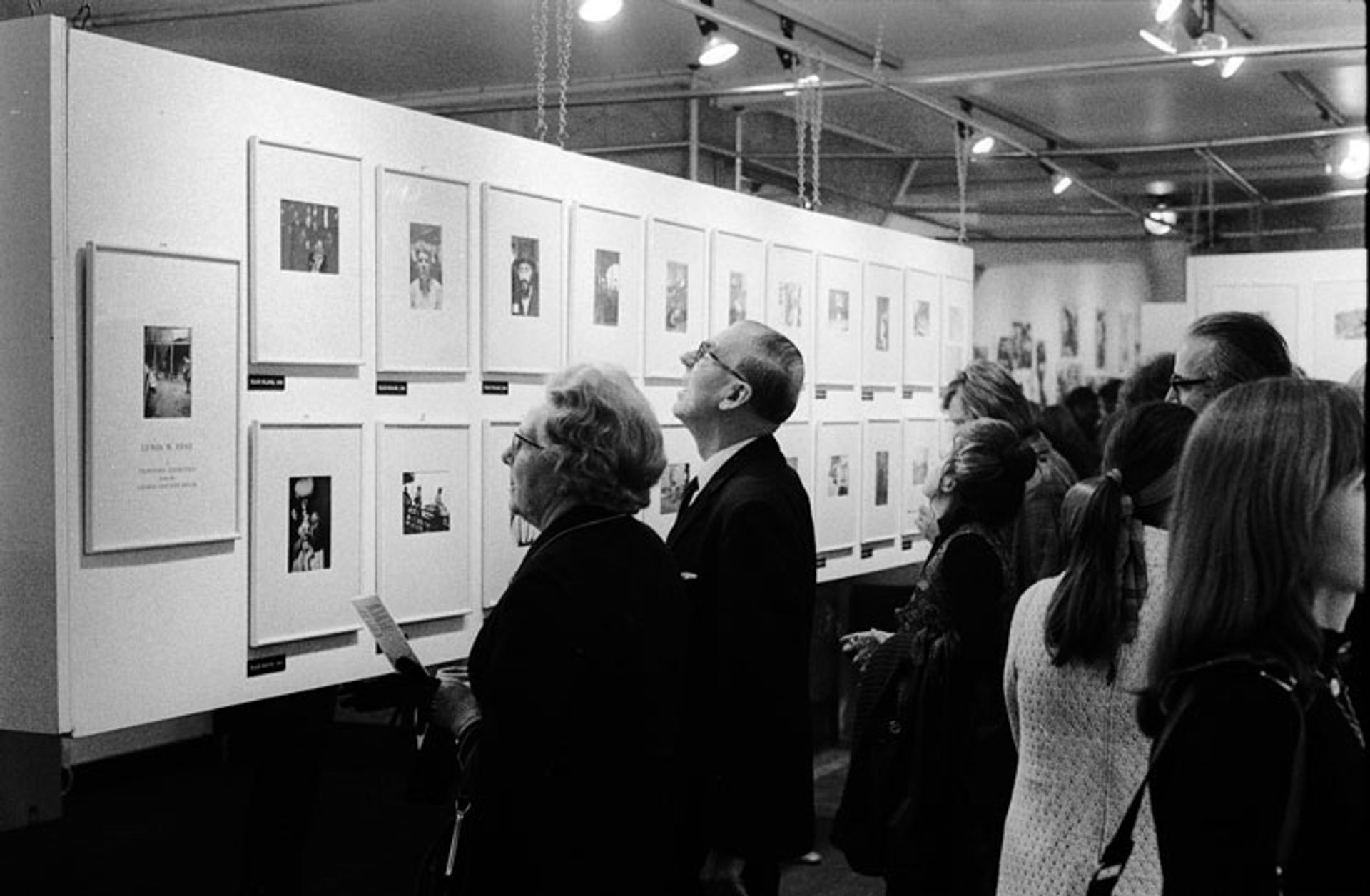
The private view for The Concerned Photographer, the first exhibition at The Photographers Gallery
The Concerned Photographer (13 January-13 February 1971)
Featuring: Werner Bischof, Robert Capa, Leonard Freed, André Kertész, David Seymour, Dan Weiner


The first exhibition at the newly formed gallery was an unplanned one. “Although Sue [Davies] wanted to do a show on Civil Rights photography, this came into her lap at the right time when we had to open,” Rogers says. The exhibition was organised by the International Fund for Concerned Photography in New York, founded by Cornell Capa, and which later spawned the International Center of Photography. “This was the heyday of Magnum and the photo agencies, so [the show] reflected the importance of photojournalism,” Rogers says. Among the highlights were works by Robert Capa—“there were some unusual ones by him”—and David Seymour’s “beautiful images of children during the war in Poland”.

The exhibition also experimented with new curatorial ideas, “transferring what had always been seen in print and in magazines, onto the gallery wall,” Rogers says. “That had never been done in the UK really. We very successfully did big blow ups [with] small images framed.” Rogers adds that the exhibition “set the tone” for the Photographers’ Gallery and led to many photojournalism and reportage shows over the decades, including work by, among others, Margaret Bourke-White, Elliott Erwitt, Eugene Smith, Bruce Davidson, Werner Bischof and Sebastião Salgado. “All the great names,” Rogers adds.


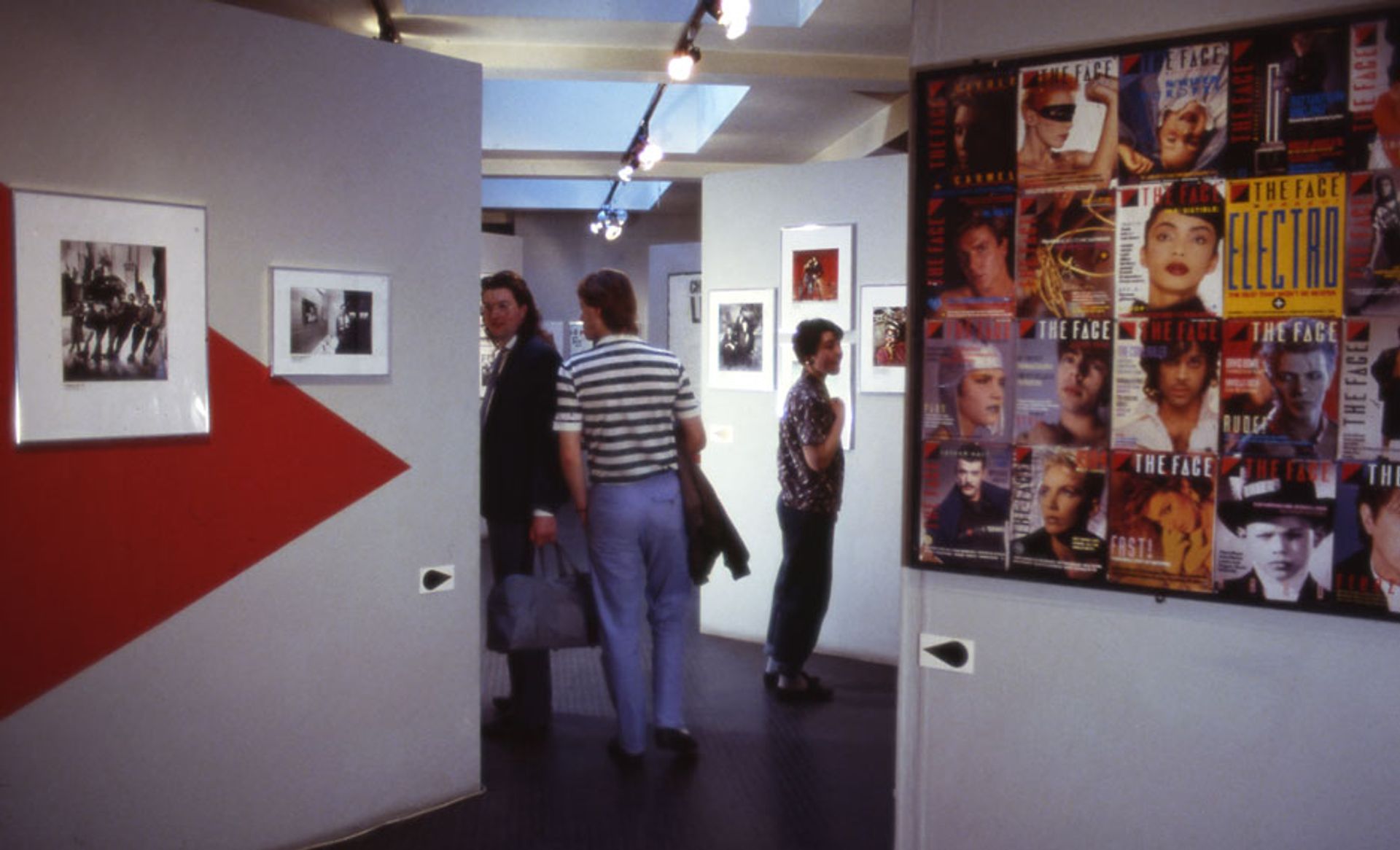
Installation view of Five Years with the FaceCourtesy of The Photographers’ Gallery Archive
5 Years with The Face (18 April-17 May 1985)
Featuring: Anton Corbijn, Chalkie Davies, Jill Furmanovsky, Mike Laye, Robert Mapplethorpe, Jamie Morgan, Sheila Rock and Carol Starr

The now legendary magazine The Face was at the height of its powers in the mid-1980s, covering youth culture and fashion its unique style. The exhibition included work by 37 photographers, including Anton Corbijn, Jill Furmanovsky and Robert Mapplethorpe. One of the key elements that it explored was the importance of the stylist in fashion and commercial photography. “Fashion photography is very collaborative; it’s not like most other independent photography,” Rogers says. “They always work with stylists and art directors. [The exhibition] very much investigated the role of Ray Petri, this incredible stylist from the 80s who subverted the whole way you took a fashion photograph.”

The graphic designer Neville Brody, who was the magazine’s art director at the time, designed the exhibition and its distinctive poster. Rogers adds that there is “a lovely link to our 50th anniversary” as Brody recently got back in touch with the gallery offered to design its 50th anniversary logo, because he had such “fond memories” of the show. The exhibition paved the way for later exhibitions by trendy fashion photographers such as Juergen Teller and Corinne Day, Rogers says. “We’ve always prioritised [fashion exhibitions] because we know young people love fashion. We’re just off Oxford Street, so why wouldn’t we?”


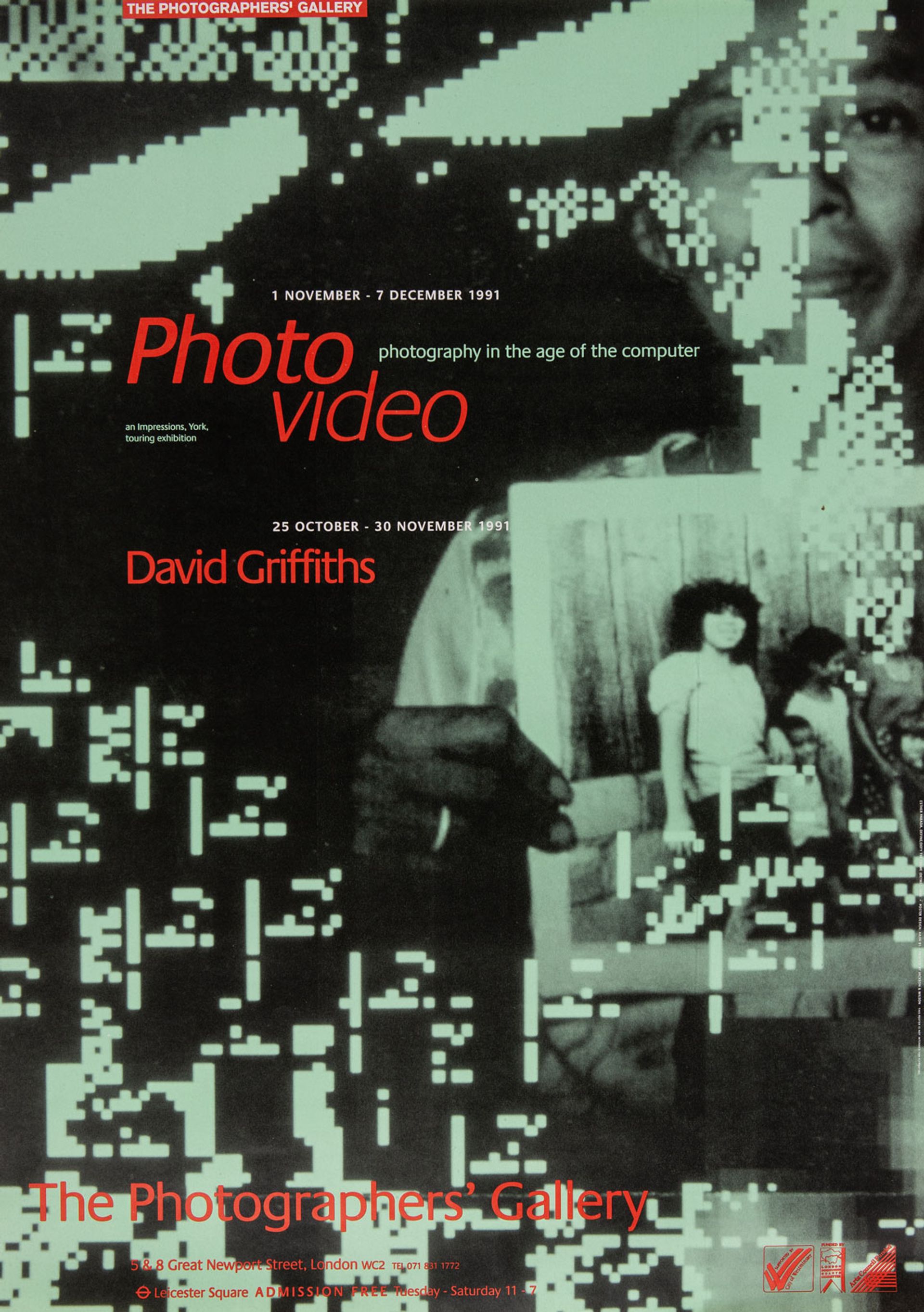
The poster for the Photovideo: Photography in the Age of the Computer exhibition
Photovideo: Photography in the Age of the Computer (1 November-7 December 1991)
Featuring: Susan Boyce, Susan Hardy, Brian Harris, Graham Howard, Pedro Meyer, Clinton Osbourne, Esther Parada, Philip Benson & David Perret, Keith Piper, Simon Robertshaw and Kativa Sharma

“The gallery was full of video screens and electronic buzzing and datasets,” Rogers says. It was an exhibition that showed how photography was going “from the darkroom to the computer screen—and how that change was already happening already in the 90s”. The exhibition was curated by Rogers’s predecessor Paul Wombell and Steven Bode, who runs Film and Video Umbrella. “What they recognised was the early impact of new technologies on the image,” Rogers says. “It was influenced by Tiananmen Square and all those images of the tanks and the blurry images and pixilation that came down through video stills.”

As well as examining the beginnings of the digital culture that we take for granted today, it also looked at who made and stored images and the use of big data. It explicitly asked “what are the implications for society?” Rogers says. “They looked at mass surveillance, the role of the military in creating images, and datasets—even in ’91. We think this was a prescient exhibition because nobody was talking about that.”


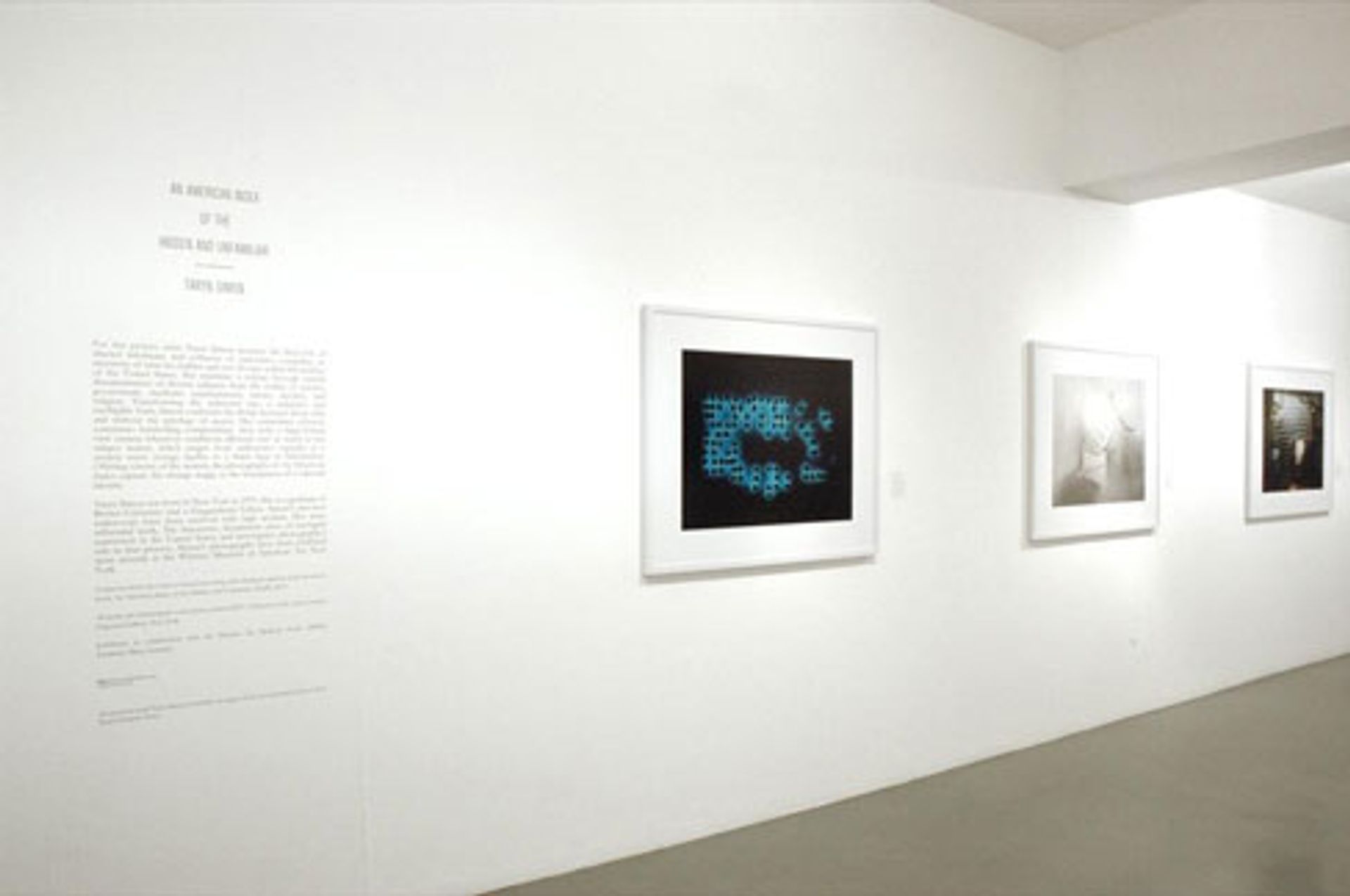
Taryn Simon's exhibition An American Index of the Hidden and Unfamiliar showing one of her works documenting a nuclear waste storage facilityCourtesy The Photographers’ Gallery Archive
Taryn Simon: An American Index of the Hidden and Unfamiliar (12 September-11 November 2007)
Featuring: Taryn Simon

“We have always had a very big commitment to promoting women artists and somebody who really set the bar high in interrogating documentary [photography] and really put conceptual photography on the map, is Taryn Simon. We were the first to show her [in the UK],” Rogers says. The impact of the topics covered by the American photographer marked many who saw the show. “Doesn’t it stay with you? She went into a forensic laboratory, she documented a Palestinian woman having a hymen reconstruction, [she photographed] inside the CIA, [showed] the big internet cables coming up from the sea. It was one of the most staggering exhibitions ever. She just struck a new chord with where photography could go.”

Simon went on to have a major shows around the world, branching out from photography with notable performance installations such as An Occupation of Loss (2016). There was a real “conceptual richness” to the show at the Photographers’ Gallery, which “reset the bar”, Rogers says. And led to “photographers thinking differently: what is photography capable of? What can it uncover?”


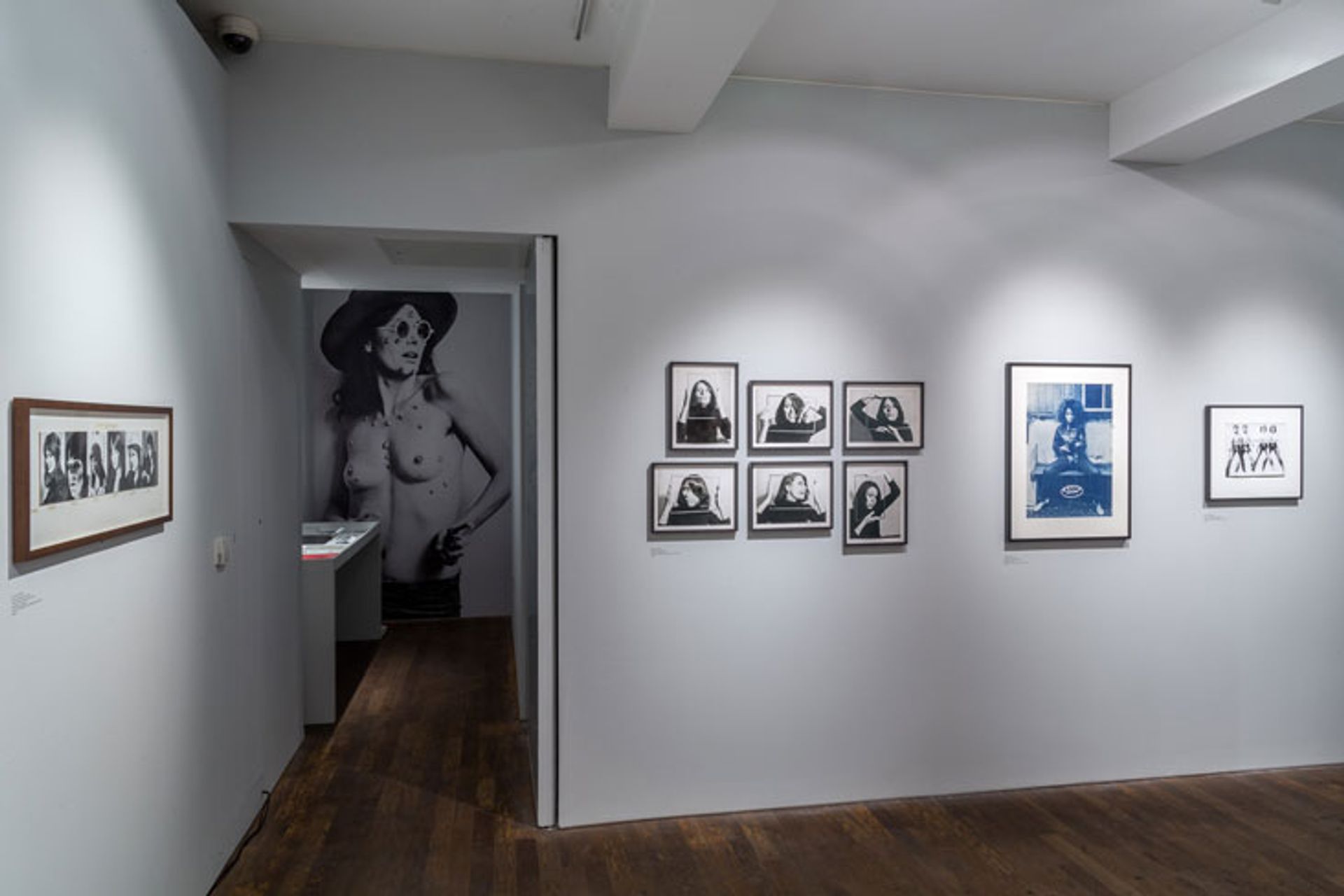
Installation view of Feminist Avant-Garde of the 1970s© Kate Elliot
Feminist Avant-Garde of the 1970s: Works from the Verbund Collection (6 October 2016-15 January 2017) Featuring: VALIE EXPORT, Cindy Sherman, Francesca Woodman and Martha Rosler, among others

“That show had everybody from Cindy Sherman to Hannah Wilke, to our lovely Alexis Hunter who died shortly after,” Rogers says. “As well as many unknow names.” The exhibition of 48 female photographers from the Verbund Collection in Vienna focused on work made during the 1970s that dealt with political issues such as the patriarchy and sexism. As well as photography, the show also include collage works, films and videos. Rogers says that with such a show it was important to see the works in the exhibition rather that in photobooks. “It’s the visceral quality; their work is so hard hitting. And some of them are stitched and you can’t really see that in a book.”

“To younger photographers coming to our gallery, they may have heard their names but they had never seen their work,” Rogers says. “[It was] really radical, provocative, political work. And I really think it shook them up; it had a big impact.”

20.10.21

Kodak Snapshots 120 Years of Manufacturing in Australia


Between 1884 and 2004, Kodak and its local predecessors manufactured and marketed photographic products to the Australasian region. This digital showcase provides a snapshot of that 120 year history, told through Museums Victoria's Kodak Heritage Collection.

Kodak Australasia's long history stretches back over 140 years to the 1880s. Discover the entrepreneurs who founded Kodak’s photographic manufacturing and marketing operations in Australia.

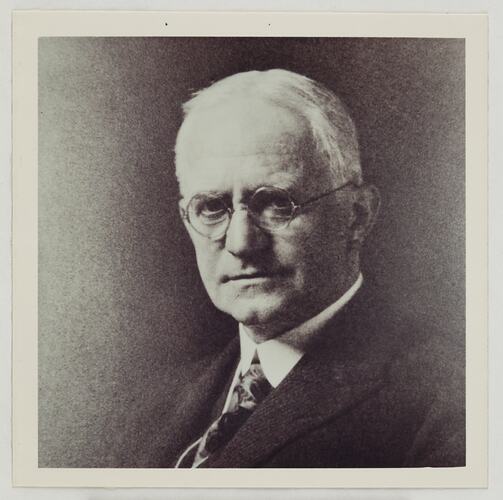
In 1908, 24 years after Thomas Baker made his first dry plates in his home cellar, the company he co-owned with JJ Rouse, known as Baker & Rouse Pty Ltd, merged with George Eastman‘s American based company, Eastman Kodak Company, to become Australian Kodak Limited.

"…a splendid opportunity of acquiring a practical monopoly of the whole Australian trade in films…" Letter from Thomas Baker to George Eastman, 14 August 1907, Eastman Museum.

In September 1907, photographic manufacturer Thomas Baker, along with his wife Alice and sister-in-law Eleanor Shaw, left Australia in a hurry.

They boarded a ship to America with only about a week’s notice and weren’t back in Australia for ten months.

Earlier on in the year, the Australian government had announced that it was going to introduce a new duty on sensitised photography goods and cameras.

The new duty, which gave an advantage to British goods, would potentially devastate Thomas Baker’s business, Baker & Rouse Pty Ltd, which he co-owned with JJ Rouse.

As sole agents of Kodak, Baker & Rouse Pty Ltd was contracted to mainly sell goods from Eastman Kodak in America. If the duty went through, Baker & Rouse would suffer “a great blow” and probably be unable to fulfil its terms of contract with Kodak.

It wasn’t all bad news though. The potential tariff also gave Baker & Rouse a unique opportunity to create a monopoly in the Australian photographic industry by becoming a local manufacturer for Kodak, which would avoid paying the duty.

Baker had written to George Eastman in August of that year, “… it has occurred to me that the circumstances give a splendid opportunity of acquiring a practical monopoly of the whole Australian trade in films and to a considerable extent in apparatus.”
“…the question arises whether you would be prepared to join with us in the manufacture of films here and perhaps eventually of many forms of cameras… The present opportunity of starting the manufacture with so heavy a protective duty is not likely to recur in our time.” Thomas Baker

MM 140939 – Eastman Kodak Company founder, George Eastman, circa 1920s.


Kodak already had an option to buy out Baker & Rouse, but Thomas Baker wanted to propose a merger instead. On behalf of JJ Rouse and himself, Thomas Baker, the senior director of Baker & Rouse, put plans in motion.

The Baker party set out on the first steamer to America they could secure tickets for, to urgently negotiate with George Eastman about the future of their business.

It was a successful journey.

In December 1907 a contract was settled on for the creation of a new business known as ‘Australian Kodak Limited’.

George Eastman had wanted a Kodak ‘house’ in Asia for some time, and Baker & Rouse wanted to continue their success in Australia, so the new arrangement suited both parties.

On 7 August 1908 the transfer of business officially took place. The manufacturing component of the Baker & Rouse Pty Ltd business was acquired by Eastman Kodak. The Baker & Rouse retail operations became a subsidiary of Australian Kodak Limited, but under the terms of the contract it could still trade under the name Baker & Rouse.

The new company would take over the Australian and NZ agencies of Kodak and have the sole right to use the Kodak brand name in those countries.

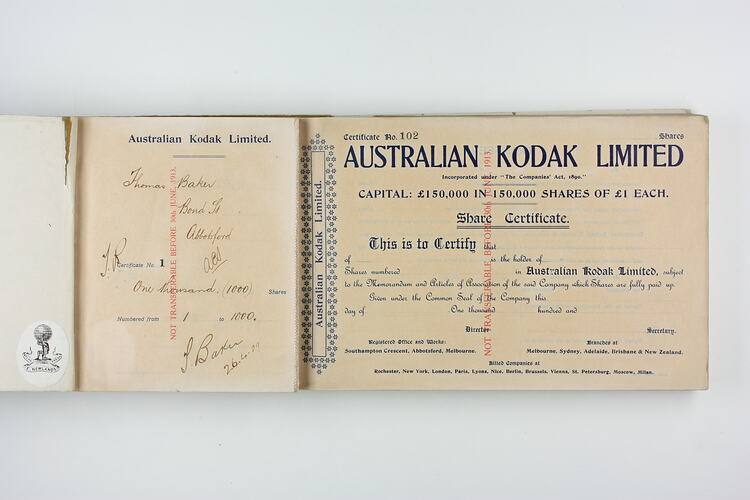
The capital for the new company was 150,000 pounds, issued in £1 shares. Eastman owned 50.1% and Baker & Rouse owned 49.9%. This deal made both Thomas Baker, the primary shareholder of Baker & Rouse, and JJ Rouse, and their families, wealthy.

HT 25775.8 – Australian Kodak Limited’s first book of Share Certificates, with certificate number 1 issued to chief managing director Thomas Baker, 26 April 1909.


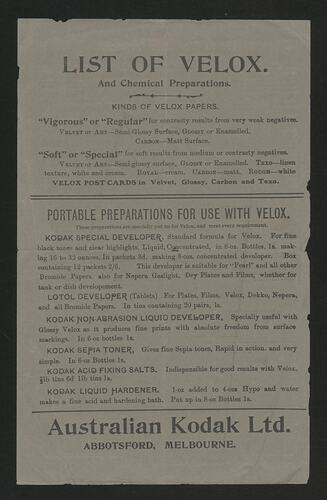
TL 63609 – User Guide - Australian Kodak Limited, 'List Of 
Velox And Chemical Preparations', Abbotsford, 1908-1911

As well as being shareholders, Thomas Baker & JJ Rouse were appointed as the founding directors. Thomas Baker oversaw the factory, while JJ Rouse was in charge of retail.

The new Australian Kodak Limited range was to include Kodak non-curling films, collodio-carbon paper, Aristo paper, Velox paper, Solio PO paper, and ferro-prussiate paper, in addition to a new brand of dry plates.

Thomas Baker and his party travelled to and fro between America, England and Europe for the six months following the negotiations at Kodak headquarters in Rochester. Baker was busy, arranging design plans and equipment for a new factory building to make Kodak products. This was going to be built at the original Baker & Rouse Austral Works in Abbotsford, at the cost of £25,000.

Ten months after they hastily had left Australia, Thomas and Alice Baker and Eleanor Shaw finally returned home. They returned as Kodak shareholders – their lives and those of JJ Rouse and family, and the local photographic industry, transformed forever.
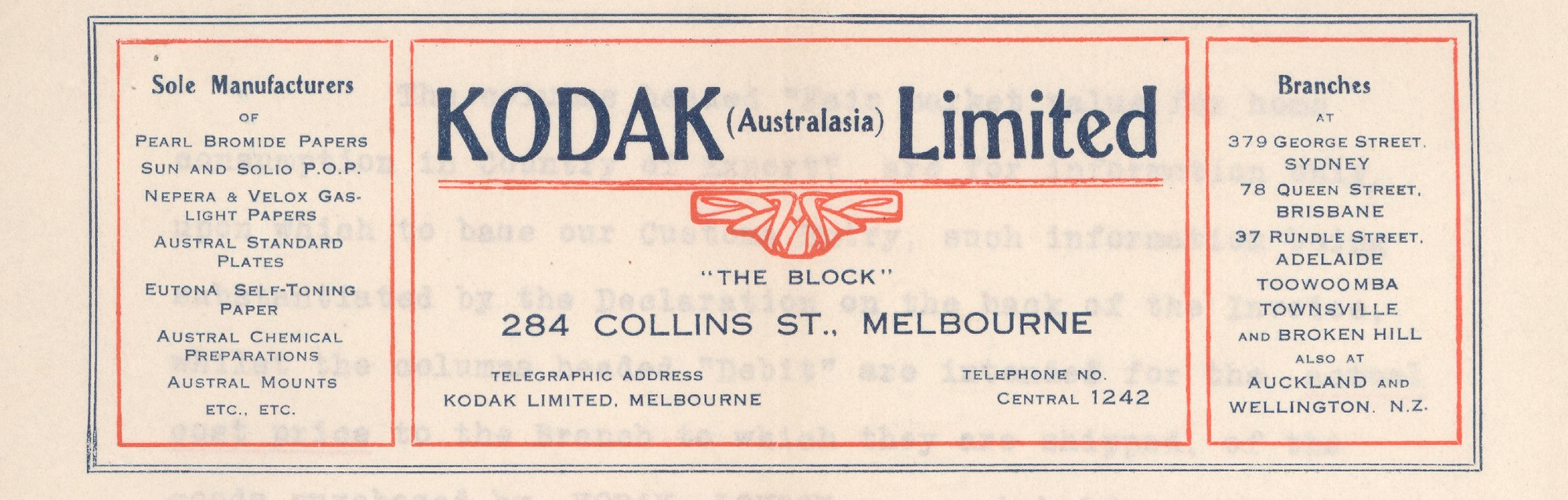
Kodak (Australasia) Limited [1911-1920]
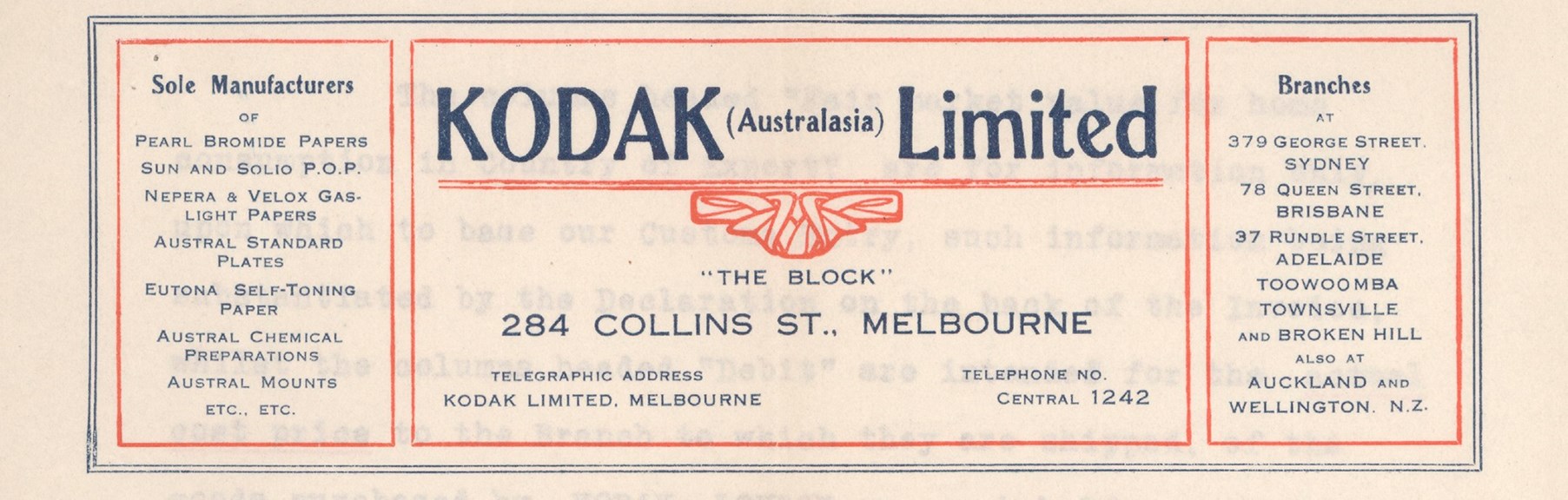
Kodak (Australasia) Limited letterhead from correspondence dated May 1914.

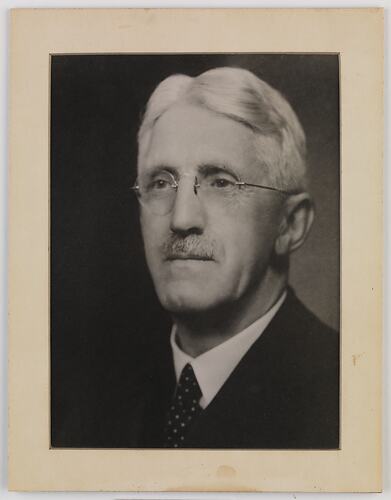
At two extraordinary general meetings at the registered Australian Kodak office in Bond Street, Abbotsford in September 1910, it was agreed that Baker & Rouse Pty Ltd would be wound up. Kodak company secretary John Sutherland was appointed liquidator.

HT 23456 – Portrait of John Sutherland, was company 
secretary, and later a company director, circa 1930s.


The notion of closing Baker & Rouse had been entertained by Thomas Baker as soon as twelve months after Australian Kodak Limited was formed. Baker wrote to George Eastman of Eastman Kodak, telling him that liquidating the company would save paying double income tax, and provide other benefits.

Eastman Kodak had also not been happy with the way that Baker & Rouse was trading and wanted to bring all the distributed retail branches under the Kodak umbrella.

At the same time, it was suggested by JJ Rouse that the company name be changed to acknowledge the Australasian reach of the business, in particular its presence in New Zealand, where a branch had opened in 1909.

Thus, in 1911 the Australian Kodak Limited company structure was changed to be fully Kodak operated, with the retail branches now branded as Kodak. To legally manage these changes, a new company was formed.

The new company was known as Kodak (Australasia) Limited.

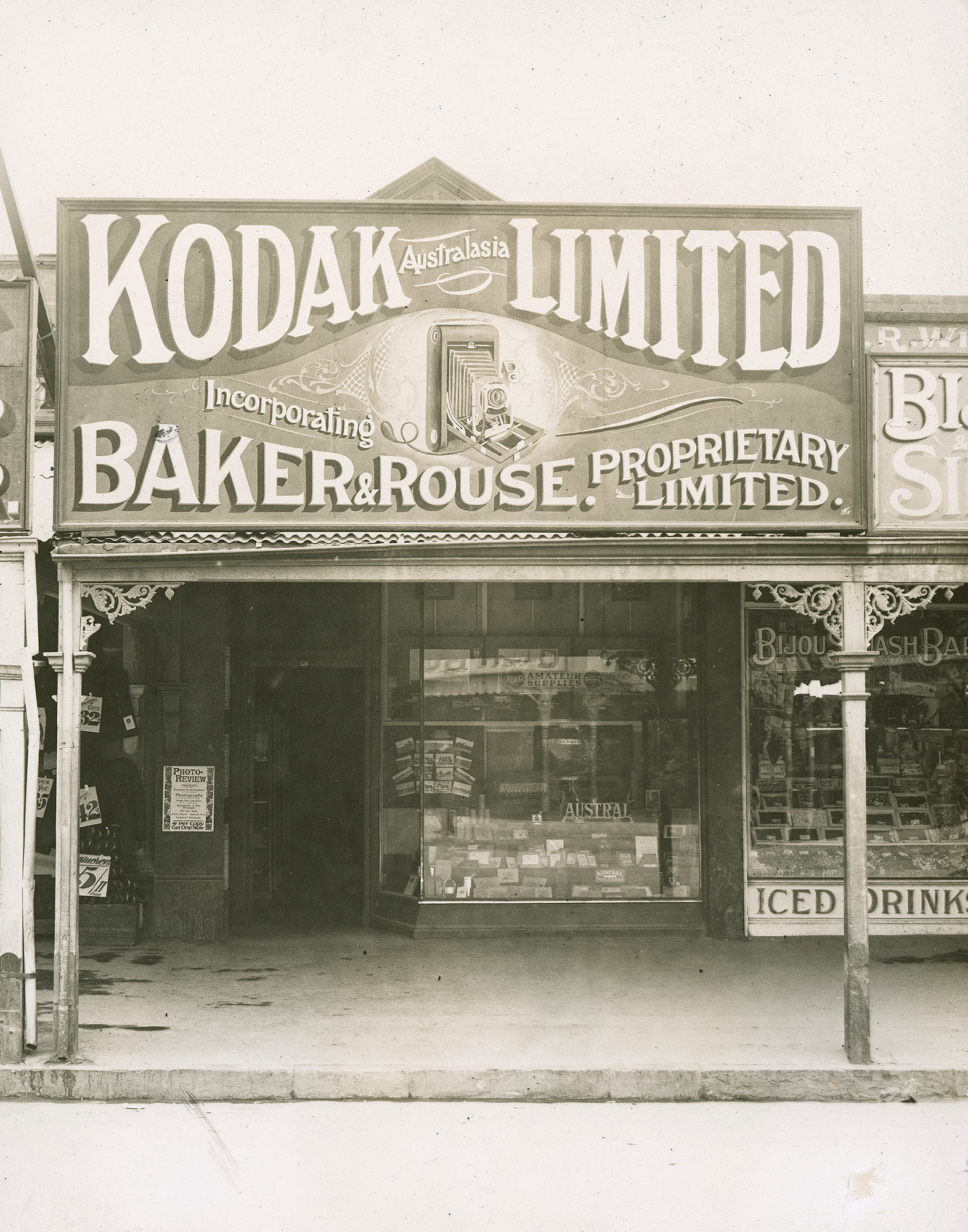
Baker & Rouse still held considerable currency in Australia, however, and it took some branches time to change over their shopfront branding.

Kodak Australasia Limited Shop in Argent Street, Broken Hill, 1912.

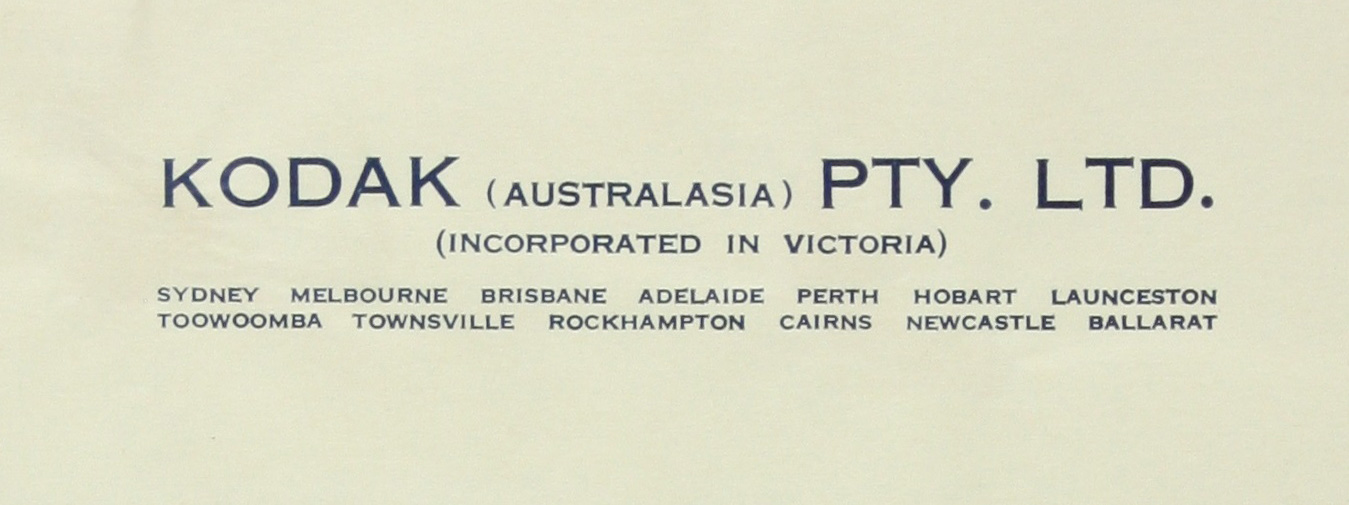
In 1920, Kodak became a proprietary limited company. This was the final change of name for the Australian subsidiary of Kodak.
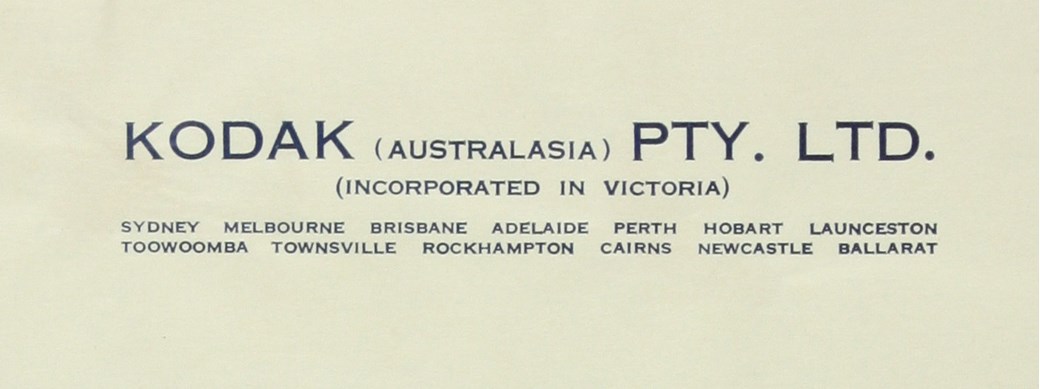
Kodak Australasia Pty Ltd letterhead from company letter dated December 1941.


However, a new addition to the Australasian Kodak family was made in 1931 when Kodak (New Zealand) Limited was formed. The managing director of Kodak Australasia Pty Ltd was responsible for the New Zealand operations.
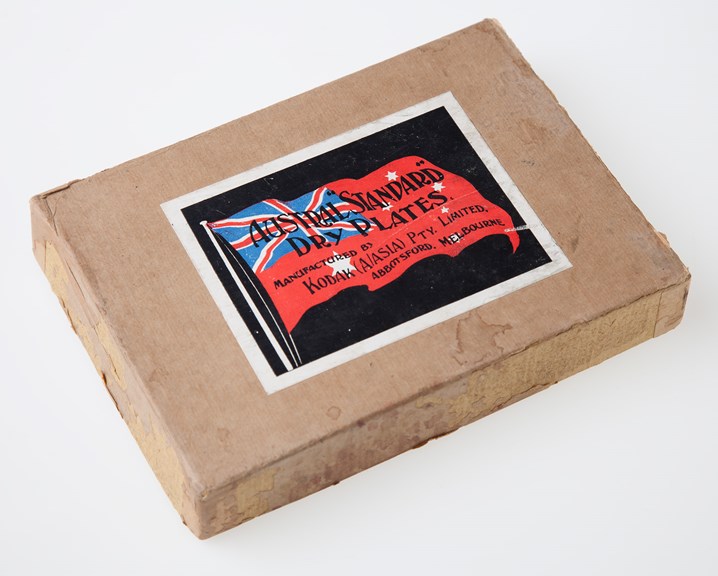
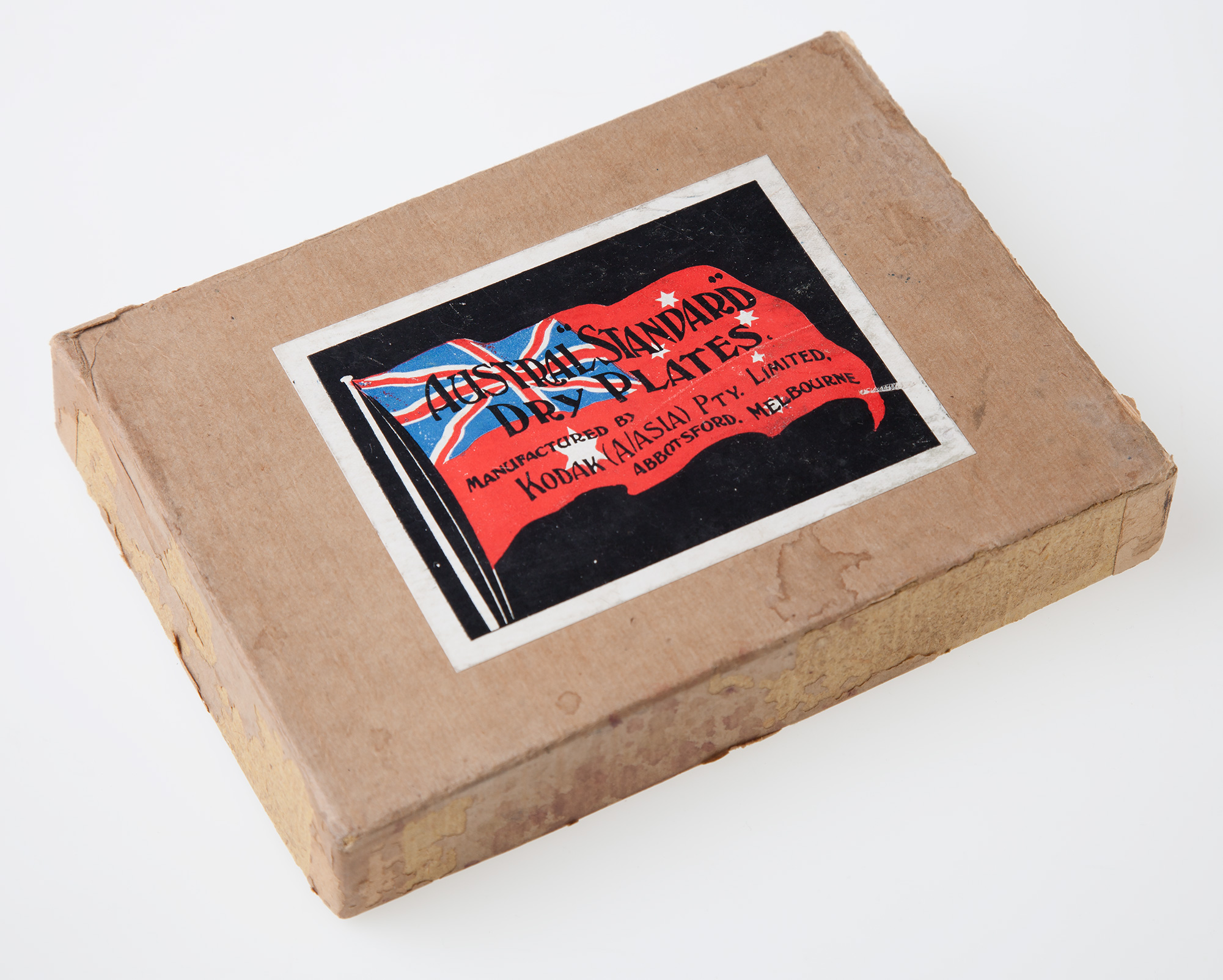
Austral Standard dry plates made by Kodak Australasia Pty Ltd at Abbotsford, circa 1930s.

Over coming decades Kodak Australasia underwent significant changes when Thomas Baker died in 1928, followed by JJ Rouse in 1938. JJ Rouse’s son Edgar subsequently became managing director and then chairman of the board.

When Edgar Rouse retired in 1959 it marked the end of half a century of Kodak leadership from Baker and the Rouses. It also signalled a shift away from the family led business towards a more corporate operation.

Two other key changes occurred that shaped the future of Kodak Australasia Pty Ltd. The first was when a new factory was finally opened, at Coburg, in 1961 – while the second was when this factory was closed down in 2004.

The transformation of photography by digital technology decimated Kodak’s worldwide profits and resulted in manufacturing plants around the world closing, with Melbourne’s factory being an early casualty.

Although manufacturing no longer happens in Australia, Kodak Australasia Pty Ltd continues to trade in the 21st century. It distributes imported photographic equipment and supplies throughout Australia, as the company always has - including now digital cameras.

Museums Victoria Kodak Collection


References
Advocate, 4 July 1908, p.39
Age, 19 Sep 1908, p.13
Ancestry, Year: 1908; Arrival: New York, New York, USA; Microfilm Serial: T715, 1897-1957; Line: 9; Page Number: 8; Ancestry.com. New York, Passenger and Crew Lists (including Castle Garden and Ellis Island), 1820-1957 [database on-line]. Provo, UT, USA: Ancestry.com Operations, Inc., 2010
Argus, 31 March 1908. p.4; 19 Sep 1908, p.14
Australasian Photo-Review, 21 September 1908, p.331; 15 November 1930, p.532
George Eastman Museum, Correspondence - Thomas Baker to George Eastman, 2 Sep 1907; 14 August 1907; 22 May 1908; 31 July 1909; 17 August 1910; 1 Oct 1918
Museums Victoria Kodak Collection, HT 25783.3, Balance Sheets - Kodak Archive, Series 12, Australian Kodak Ltd & Baker & Rouse, 31 May 1908; The History of Kodak in Australia, Nigel Beale (unpublished, 1983)
University of Rochester, Kodak Historical Collection #003, Series II, Corporate papers National & International, Subseries 10: National and International Kodak Locations, Box 59: Annual Reports and Data, Folder 9: Information on Foreign Companies (File 1 of 3), Report
Victorian Gazette, Thomas Baker, 12 October 1910, p.4743; JS Sutherland, 13 December 1911 p.5960

5.9.21

TRICHROMES - COLOUR PHOTOS WITH ILFORD HP5


A SCENE THAT SCREAMS COLOUR

Have you ever been out with your camera, loaded with your favourite black and white film stock and found a scene that screams to be shot it colour? Of course you have, we have all been there!

Today I am going to introduce you to a new 150 year old process called Trichromy also known as the three colour process or more recently Trichromes (by Jasper Fforde). As with all early photographic techniques it's difficult to say who coined the process first as there were many people working on similar techniques in the same space of time.

HISTORY
The big three that are most commonly referenced are Louis Arther Ducos du Hauron, Charles Cros and James Clerk Maxwell. Both Ducos du Hauron and Cros presented their methods to the French Society of Photography on the 7th of May 1869 despite not working with one another or knowing of each other's research. J.C Maxwell presented the first colour photograph at a Royal institution lecture on colour theory in 1861. The photograph was taken by Thomas Sutton the inventor of the SLR, of a tartan ribbon using red, green, blue and yellow filters. Unfortunately for Maxwell the wet collodion plates Sutton used were insensitive to red and barely sensitive to green light. A published remark on the lecture read “if the red and green images had been as fully photographed as the blue" it would have been a fully coloured image.
THE PROCESS
I have used a red, green and blue filter and some digital manipulation to create this effect.

The list of items you will need to create this effect, include:
A roll of film (any speed, orthochromatic film will not work as it is not sensitive to red light.)
A camera
A tripod
A light meter (or digital camera for meter reading)
Red, green and blue colour filters (sweet wrappers can and have been used)
Editing software

The key to this procedure is to take three identical images using all three of the filters.

COMPOSING THE IMAGE
My workflow follows these steps.

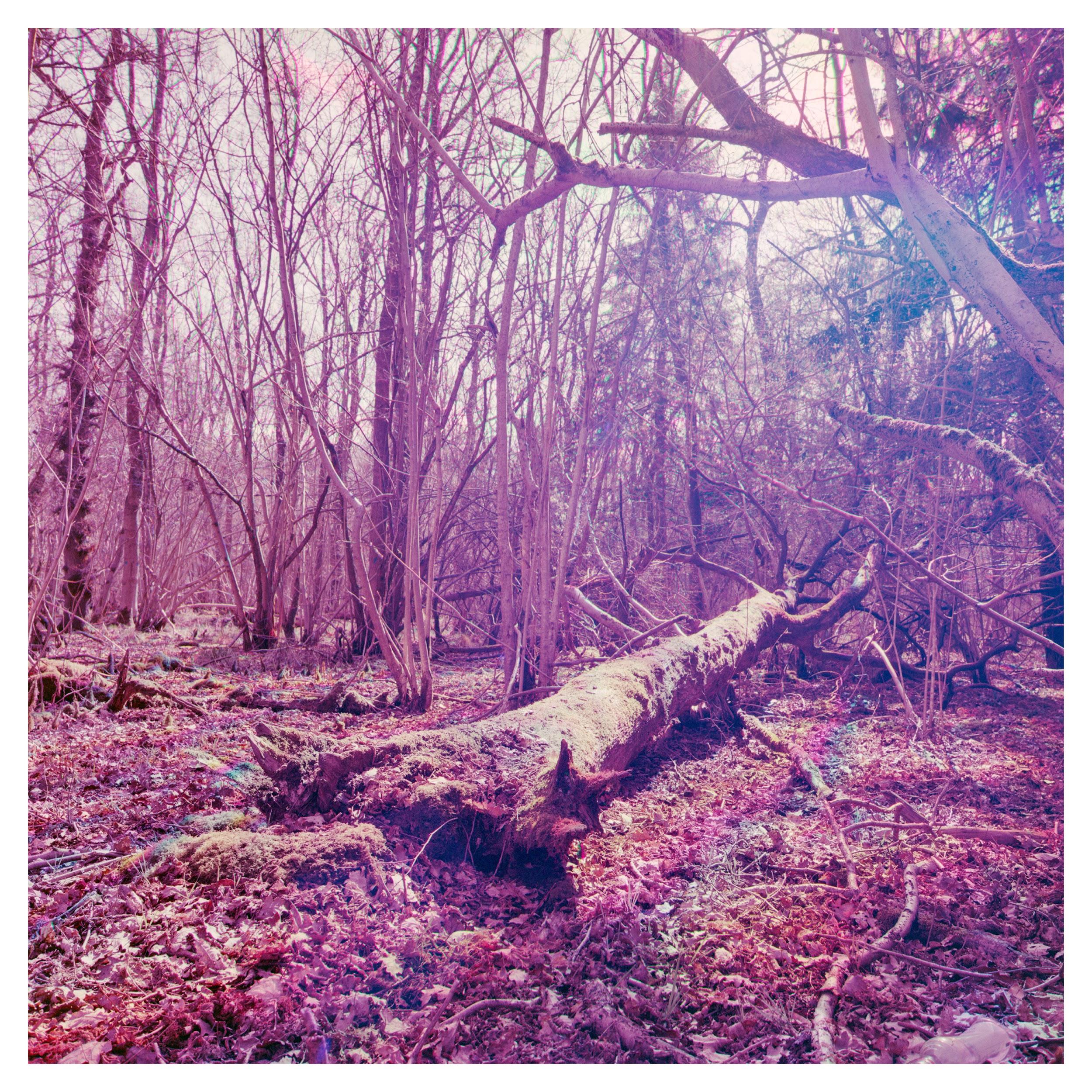
In my personal opinion I think that outdoor photographs are more interesting than indoor studio shots. I like to look for partially cloudy skies and foliage blowing in the wind, anything with movement. Slight movements of subjects create a Harris shutter type effect to the image.

METERING
Meter the scene, I recommend only taking a reading of a neutral colour object in the scene such as concrete, my reasoning for this is because it will not be affected by the colour filter. Subjects to avoid metering would be anything red, green or blue in colour. I can then apply my colour filter compensation in my case 3 stops for the red filter 2 for the green and 3 stops for the blue filter. Before taking my images I would double check my reading with all filters to make sure that all my readings are accurate. If any of the exposures are off you may end up with weird colour shifts much like the one below. These can be corrected in the editing process but take time.

Incorrect exposure on all filters Very Lomography Purple

It is important to remember which filter you used on each frame number. The order in which I take my images are RGB only because of the abbreviation of RGB in camera sensors televisions and online image publishing.

SCANNING AND MANIPULATING THE IMAGES.
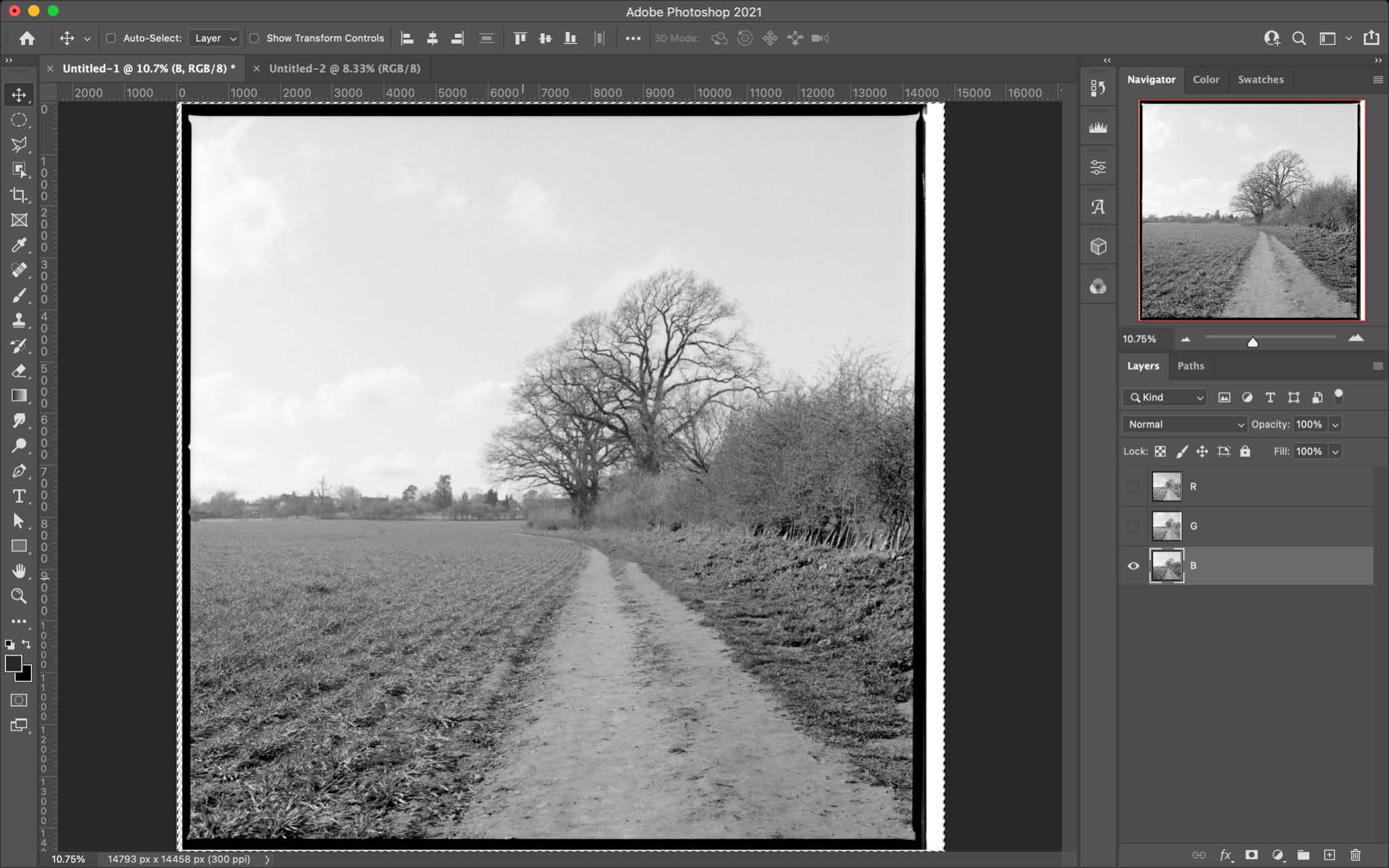
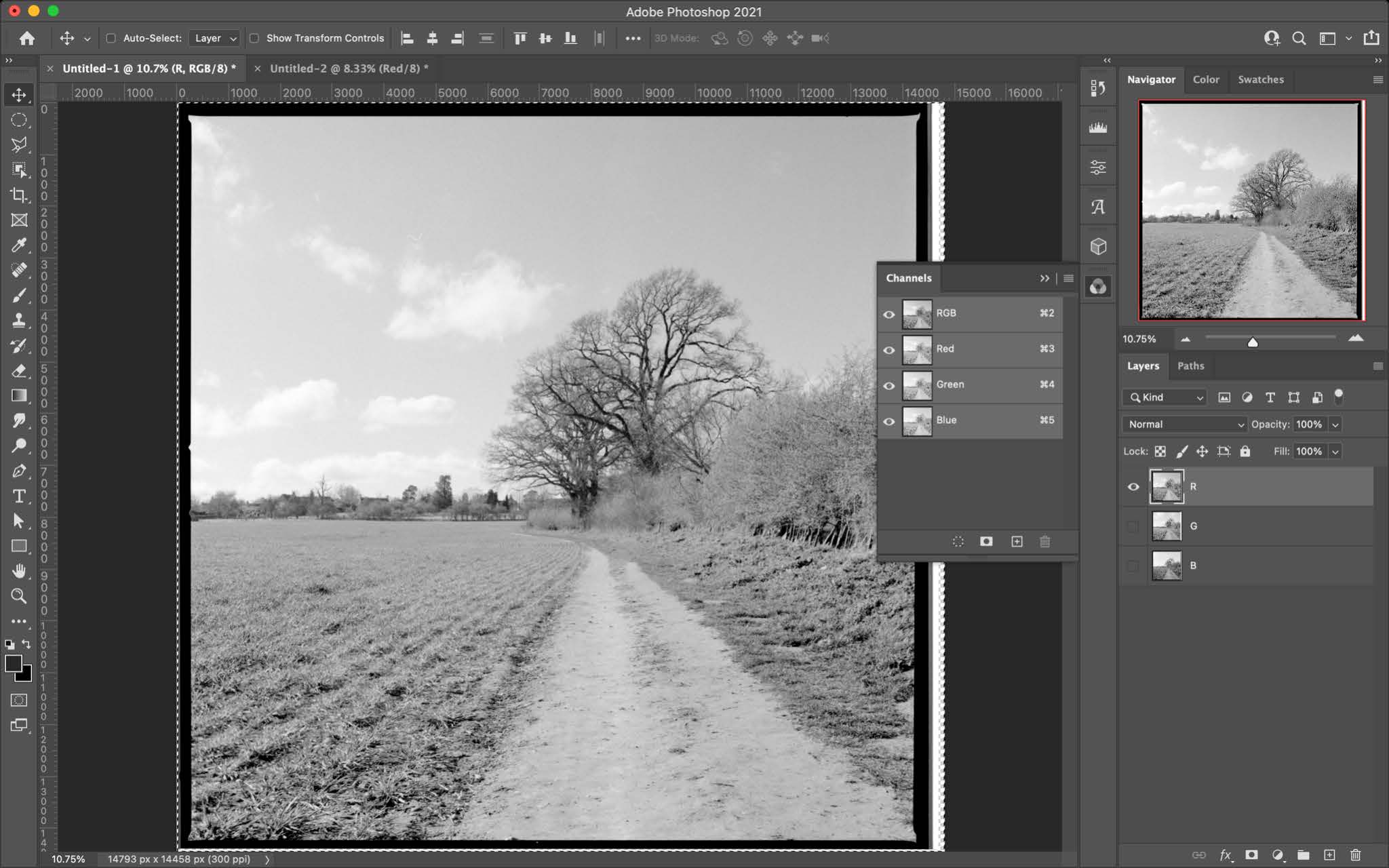
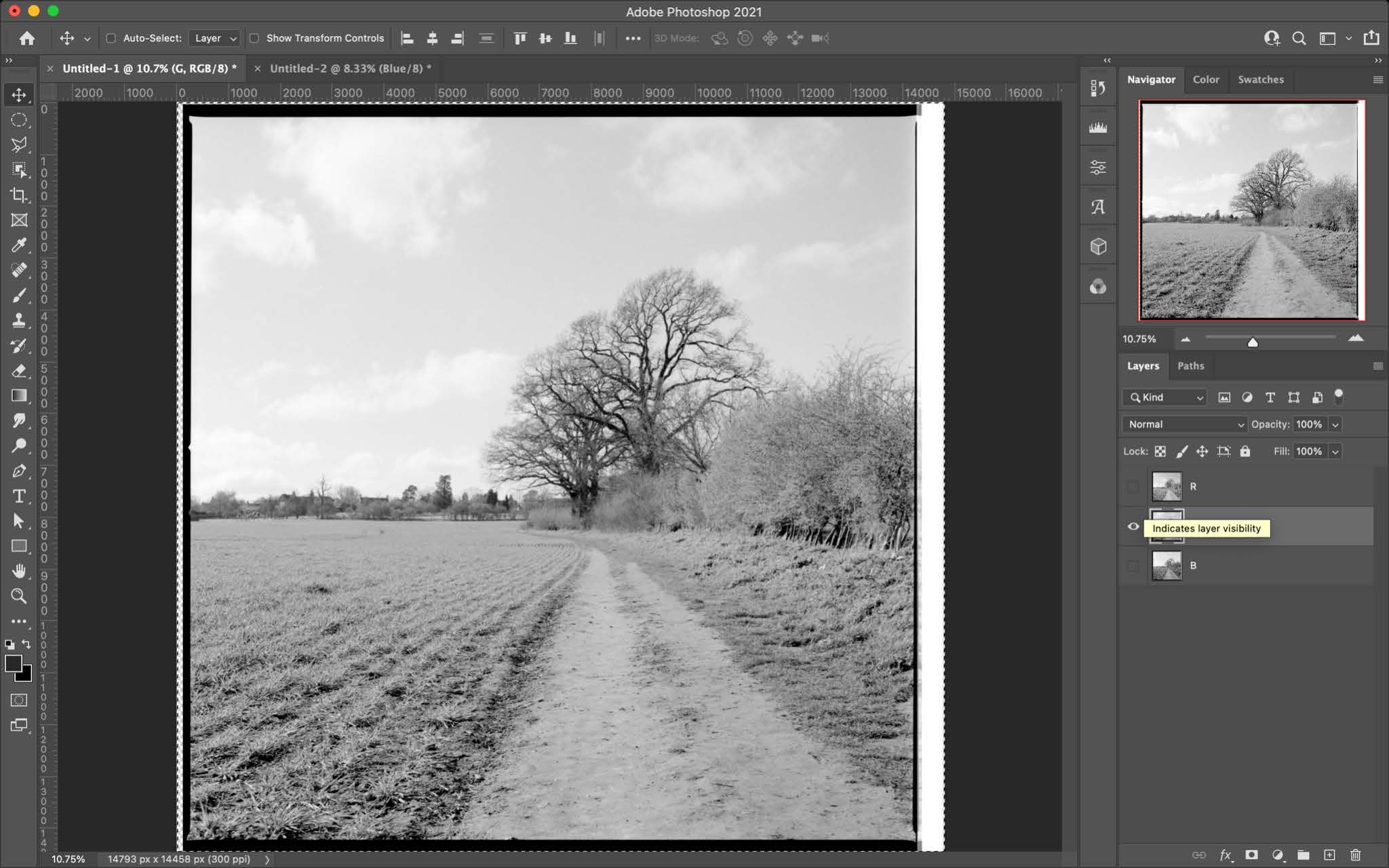
You can develop your negatives as normal, in my case I used ID-11. Once developed and scanned you can bring them into photoshop and combine all to the images. Once all three images are open in photoshop navigate to File>Scripts> Load Files into Stack… From here click add open files and check the box “Attempt to Automatically Align Source Images. Failure to do so will result in a more extreme Harris shutter effect on the final image. Depending on the size of your files this may take a minute or two. Once they are fully loaded you can rename each layer red green and blue. I order my layers red on top green in the middle and blue on the bottom.

From here there are two methods of combining the images.

METHOD 1
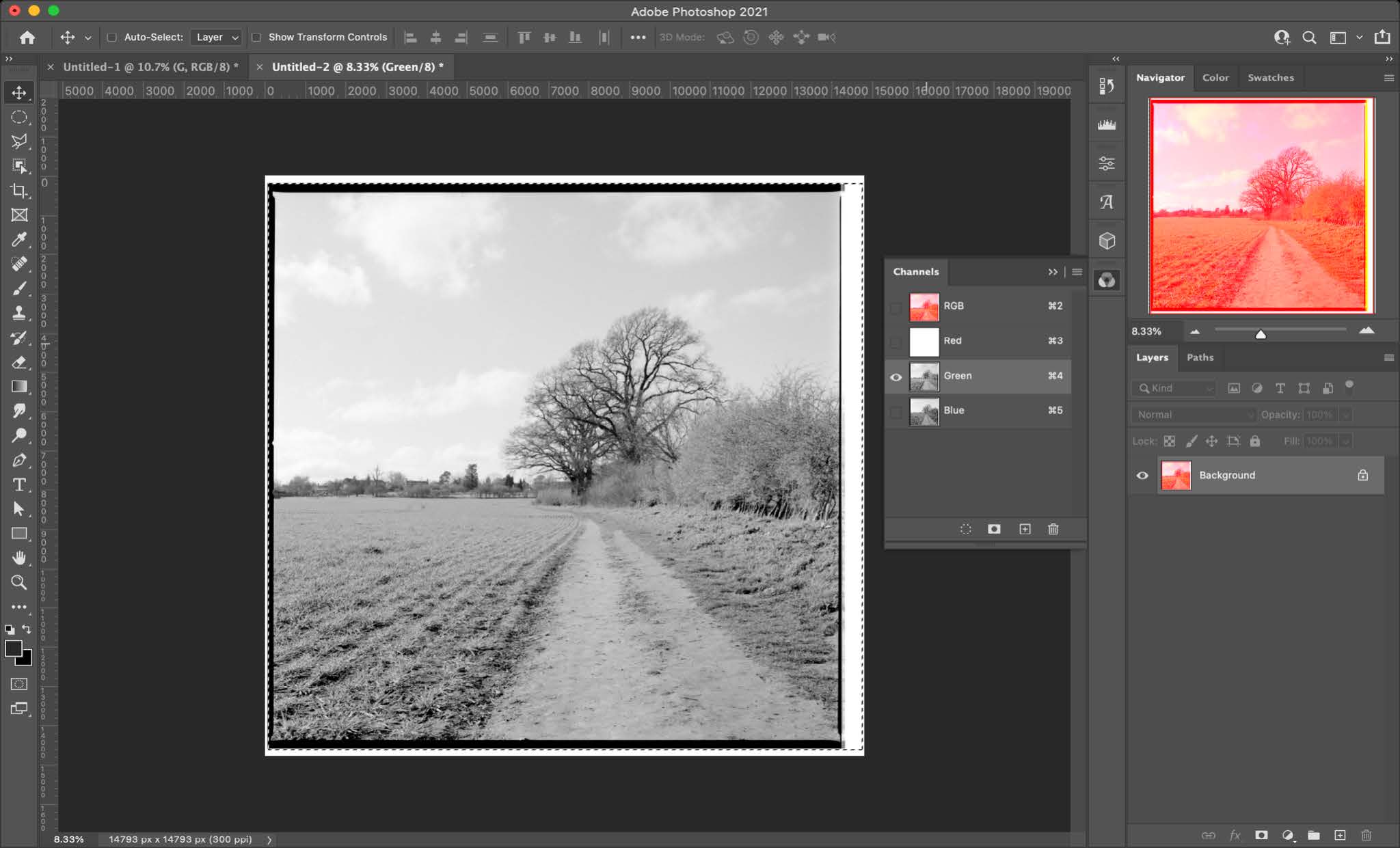
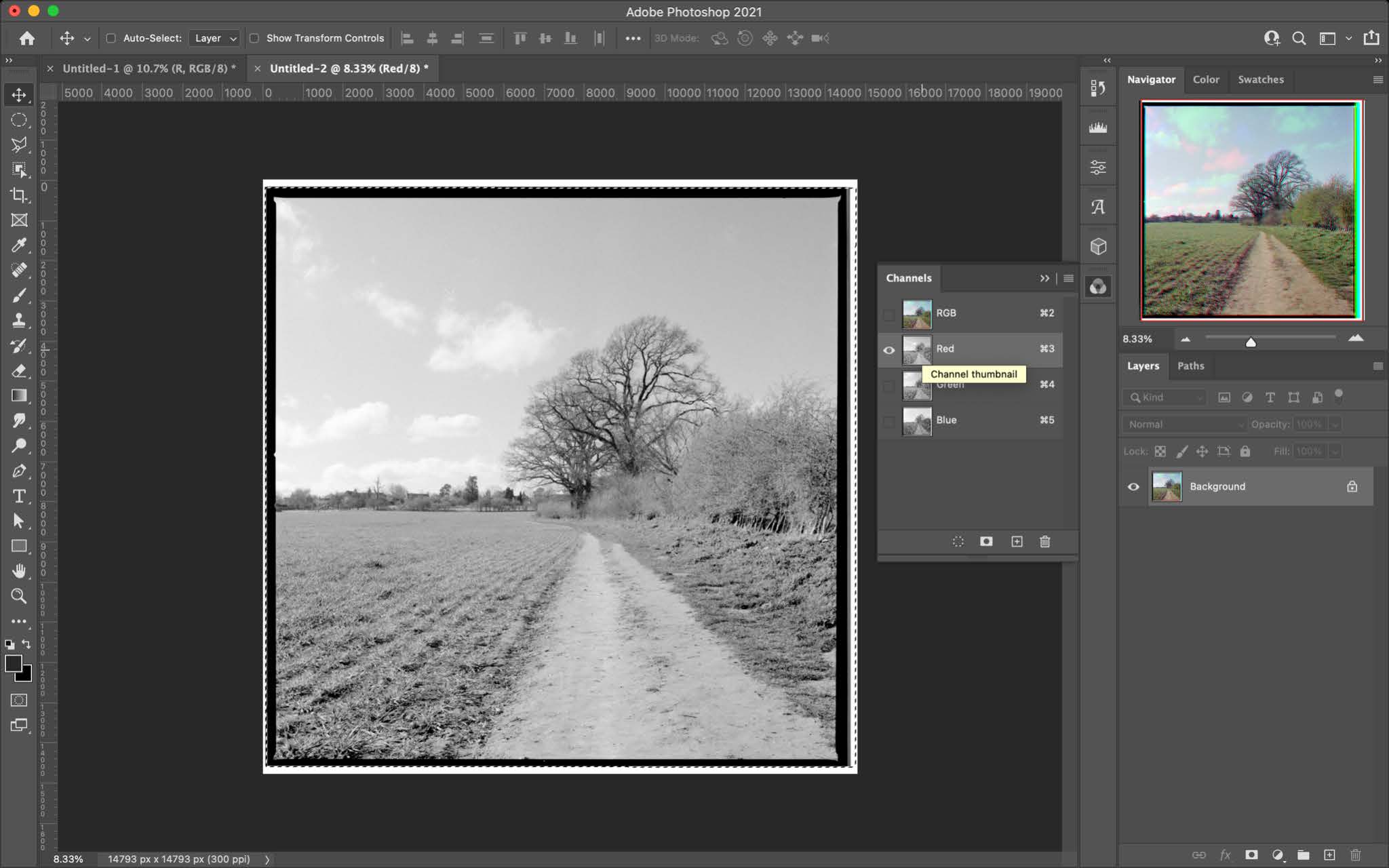
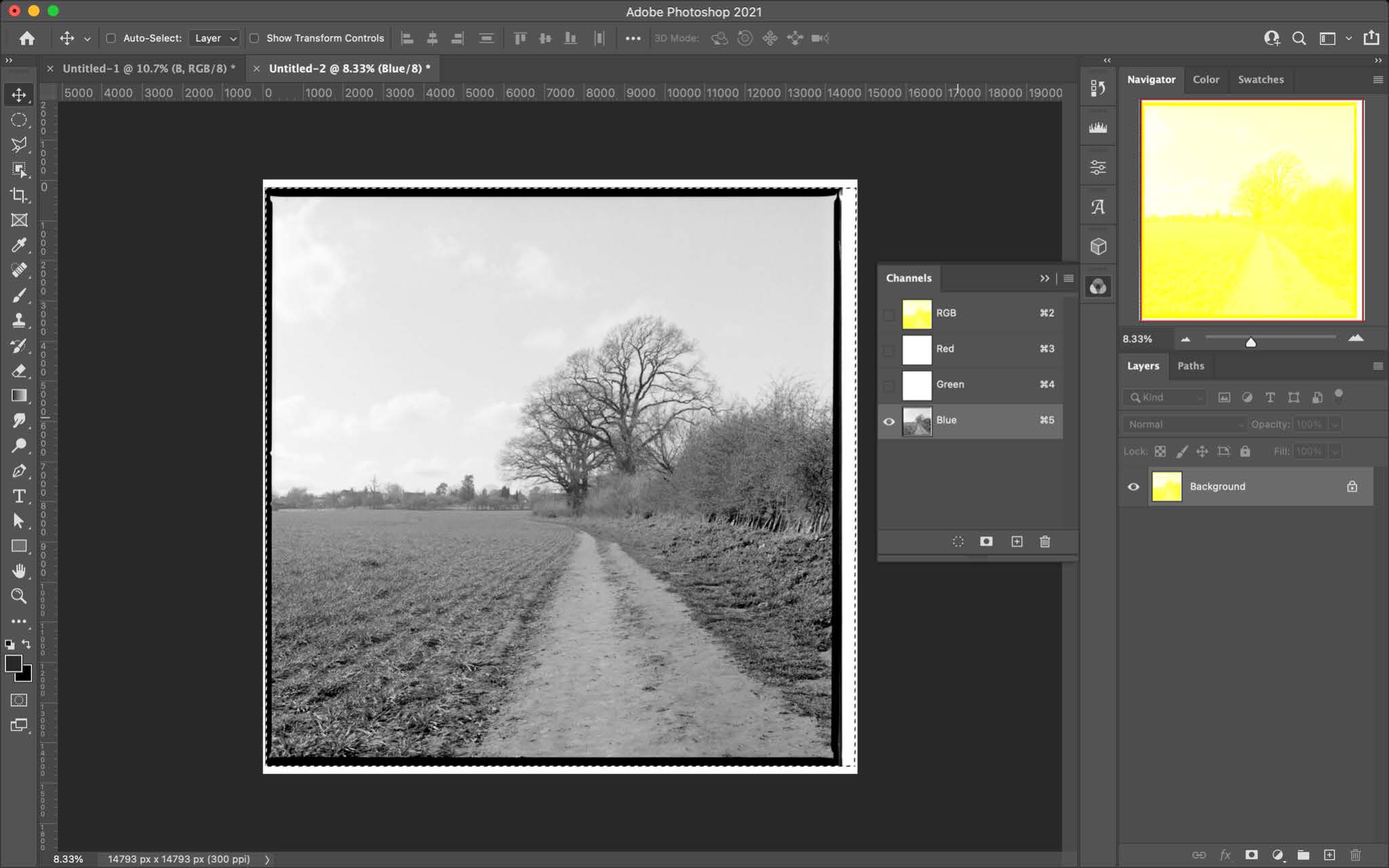
Create a new canvas. Be sure to make the size of the new canvas the same size as the stacked images and open the channel panel.

Go back to the stacked images and show only your blue layer, select all and copy. Now go back into your new file and go to the channel panel and select only the blue channel and hit paste.

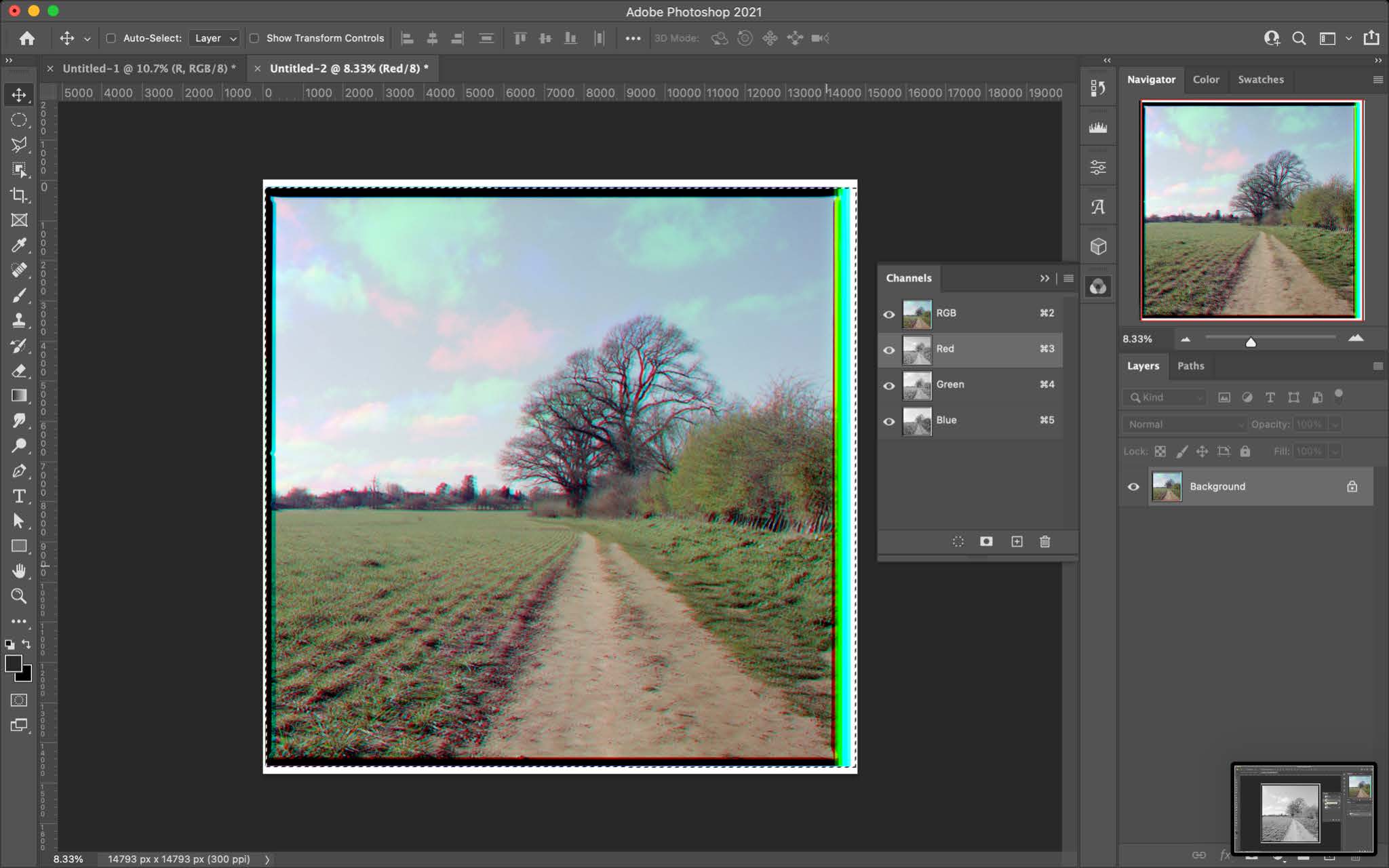
Repeat this for the green and red channels and you should have a colour image.


METHOD 2
You will then need to convert each layer into a smart object. This step isn’t necessary but helps with any adjustments you need to make later on.

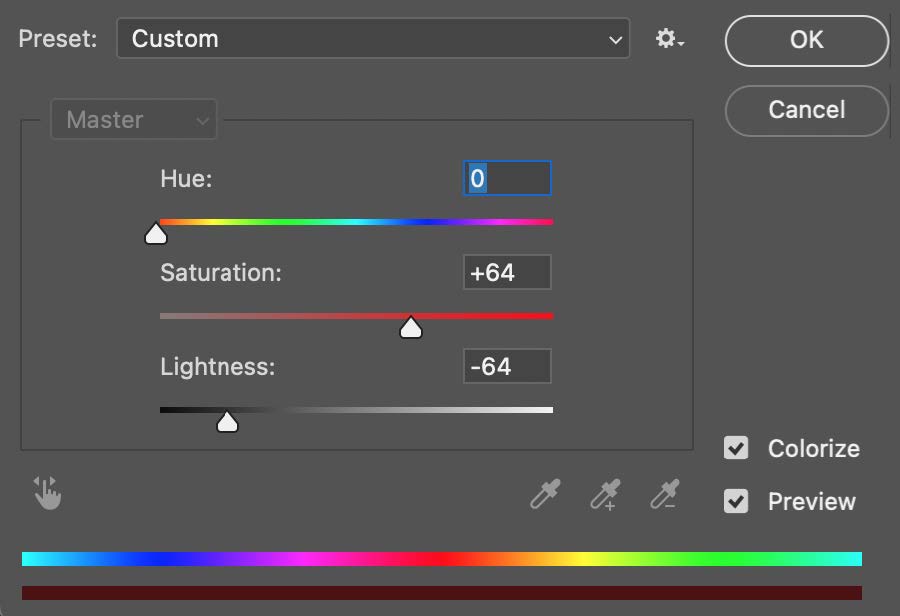
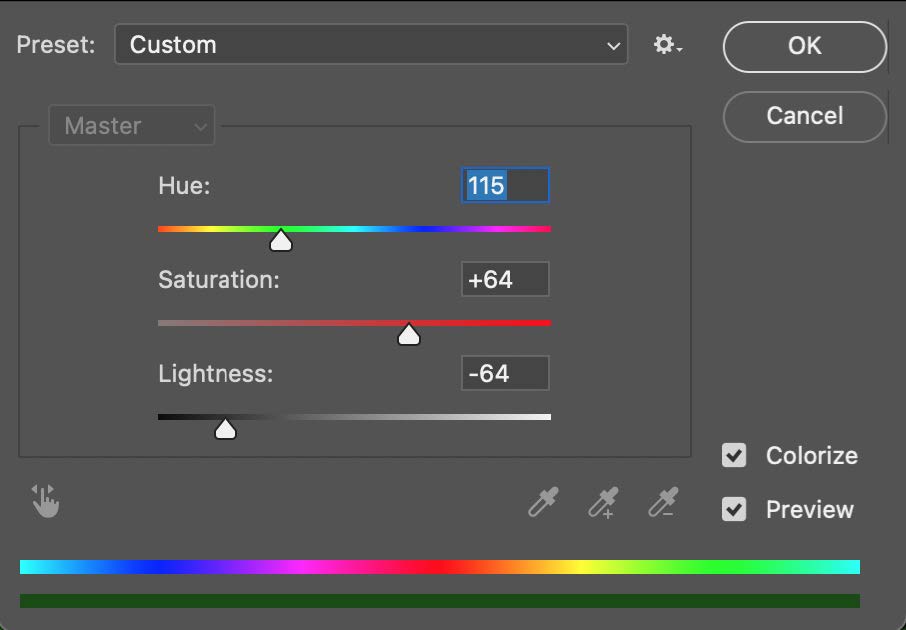
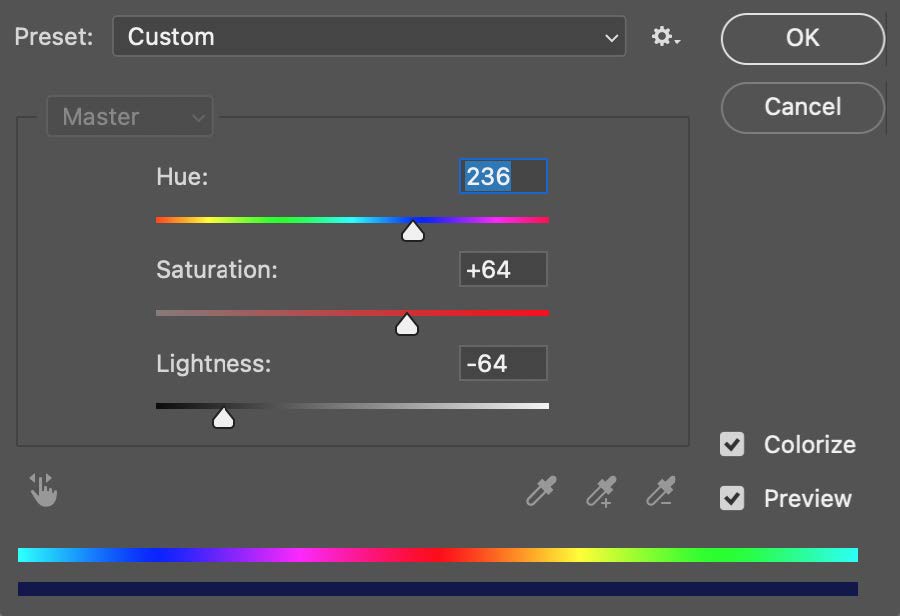
Selecting one layer at a time, then using the shortcut cmd+u/crl+u. This should bring up the Hue/Saturation box. You need to click the colorize box. Slide the top slider to the corresponding colour of the named layer, eg: the image shot with the red filter needs to be red.

I have found through experimentation that the saturation slider position has to be in a positive number whereas the lightness slider has to be in a negative position.

The following is a good starting base that I have found for my images.

RedGreenBlue


Once all the layers are colour coordinated the magic can begin!

Select all the layers and change the blending mode to Lighten. Et Voila! You should see a colour image.

FINAL TOUCHES
The reason for converting each layer into a smart object in method 2 is so if needed, the hue saturation and brightness of each later can be adjusted. I typically like to add a gentle S curve, brightness adjustment layer and do some general adjustments to taste.

That's how to shoot colour photos with black and white film.

ODDITIES
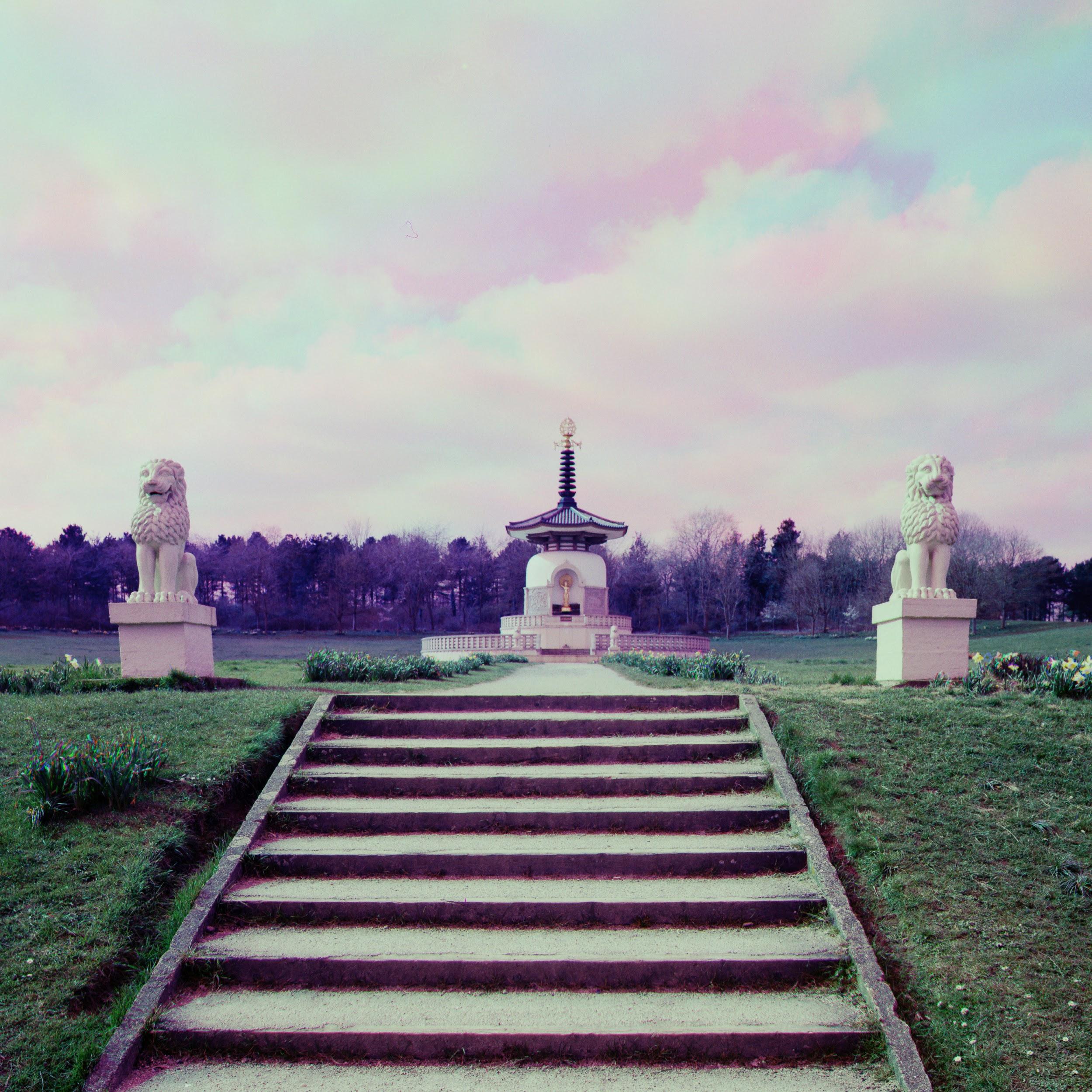
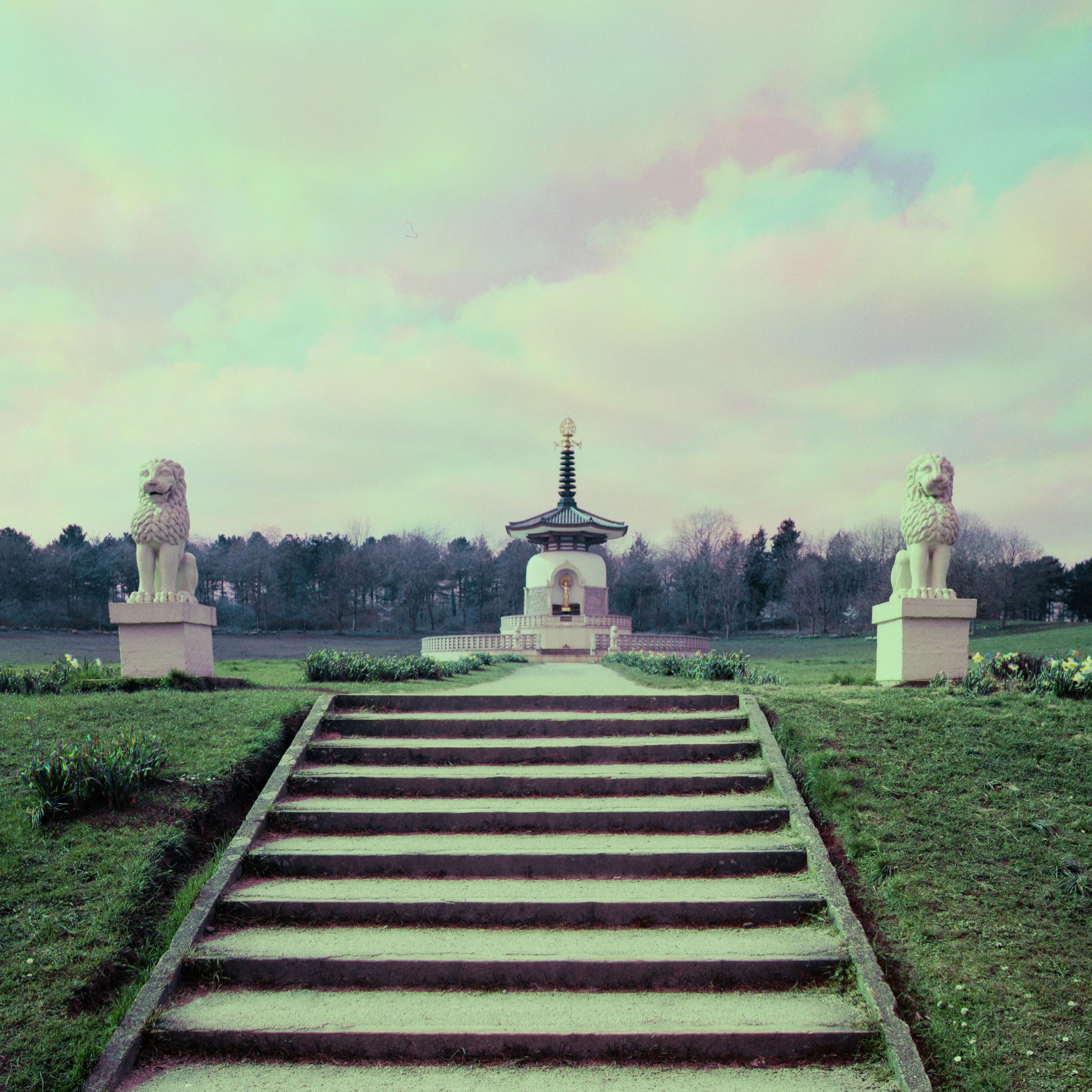
Don’t be disheartened if your images are not the correct colour. On overcast days I have found that images come through really purple so I reduce the saturation of the blue and red layers and shift the blue slightly more towards cyan.

On the left the bare trees in the background are more purple.


On the right I reduced the saturation and shifted red and blue hues


Taken with HP5 and Zeiss Distagon 50mm FLE

PRIMARILY A BLACK AND WHITE SHOOTER
I am primarily a black and white shooter and I dislike colour correction so I am sure someone with more experience could get a better result than I did. In a way I prefer the more abstractpurple shot but at the end of the day it is all down to personal taste.

You will also get strange harris shutter-esque banding arising in certain areas. This may be down to the cloud coverage or light changing whilst swapping filters.

SFX 80mm Planar

IN CONCLUSION
This is a very long and laborious way of taking a colour image but at the same time it's exciting and experimental.That being said it is not a very economical process, you get less images on a roll of film, in my case four 6x6 colour images from a roll of 120 or 12 colour images on a 36
exposure film.

I shot with both HP5 and SFX and found I had the best results with the HP5. This might be down to the fact that SFX has an extended sensitivity to red wavelength of light but I found that the majority of my images became harder to control.

SFX 80mm Planar

At the start of this article I mentioned that this process is over 150 years old. I stumbled across it a few years ago but I only experimented with it when I purchased a new camera system and wanted to standardise the size of my filters. Jasper Fforde wrote an article on his website which I read and referenced before trying the process of myself.


All images above taken with HP5 and 80mm Planar

HP5 with 80mm Planar.


HP5 with 50mm Distagon FLE


I personally wouldn’t shoot colour images like this regularly especially nowadays when we have some fantastic colour film stocks! It has been a great experience to look back and draw inspiration from the methodologies of yesteryear. I am currently working on another effect using similar methods to create a very different effect. Perhaps you can guess what it is if I tell you it uses SFX!


Images © Jack Crofts