If you love film photography, you’re missing out if you don’t use medium format film cameras. Arguably, this is where you’ll really to start a major advantage over digital photography. There’s also things like the look, the feel, and the overall approach to how you work with subjects. You have to be a million times more conservative with how you shoot photos. So we dove into the Reviews Index to find some of the best medium format film cameras we’ve used.
Why We Chose These Medium Format Film Cameras
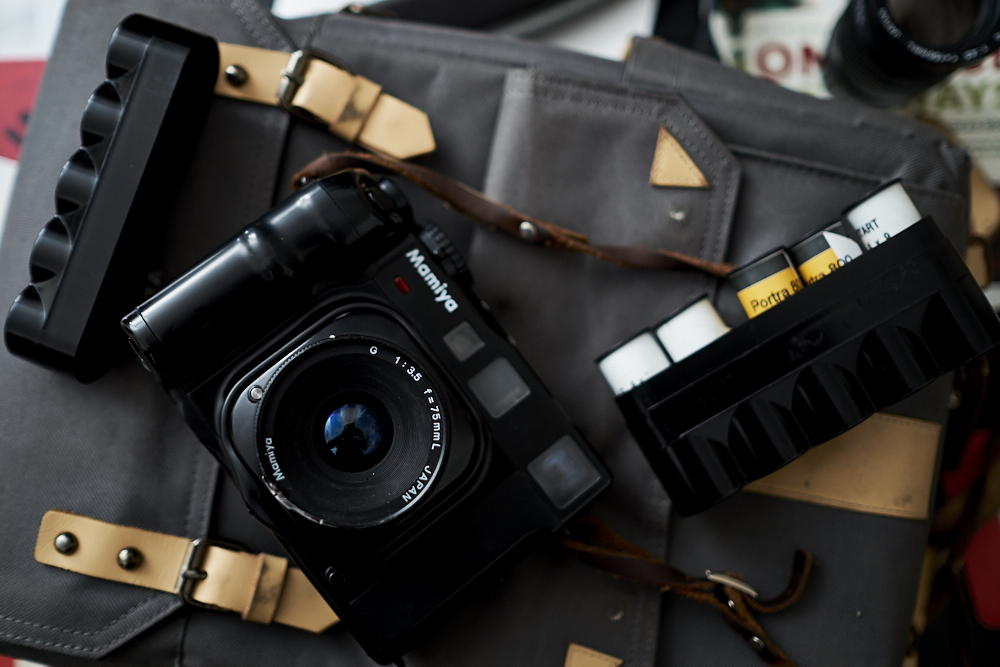
First off, we’ve reviewed a bunch of medium format film cameras over the years. And we’ve specifically chosen these for a variety of reasons. With the exception of the Mamiya 6, all of these cameras are completely analog and don’t need batteries at all. Of course, if you get a metered prism for the two SLRs, that’s the exception. But a fully analog camera will always work no matter what. The Mamiya 6 was chosen because the system has arguably some of the best lenses ever made. It’s also incredibly versatile, and I love the square format.
No Hasselblad? Yes. The reason for this is because of the pricing. That’s also why we haven’t reviewed or listed the Contax 645, Mamiya 645, etc. We also chose the Mamiya RB67 because it’s often more reliable than the RZ67. We also didn’t choose a 645 format camera because digital 645 arguably outdoes film at this point.
Mamiya 6: Square Medium Format
“I’ve been on the search for the perfect medium format film camera for me for years now. This, the Fujifilm GW690 III, and the Mamiya RB67 Pro S are amongst my favorites. I prefer to have a multitude of formats and cameras that can handle different situations accordingly. But of any of those, the Mamiya 6 seems to offer the most versatility. I can use it for documentary work, studio work, landscapes, portraiture, and so much. It’s just meant to be a damned good professional film camera.”
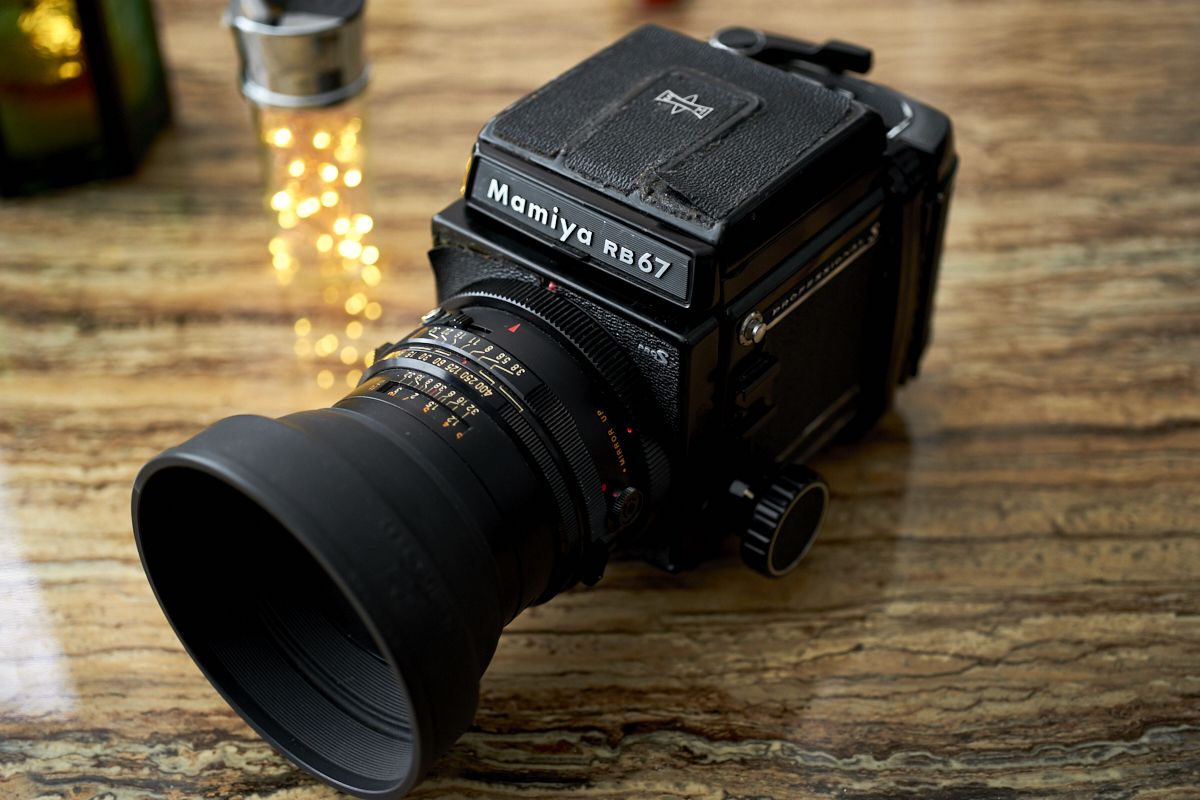
Mamiya RB67: 67 Medium Format
“The Mamiya RB67 Pro S is a camera meant for the serious photographer that wants to stick to analog. It’s a studio and landscape camera that will most likely require a tripod from you. They’re fantastic to use; but also keep in mind its difficulty.”
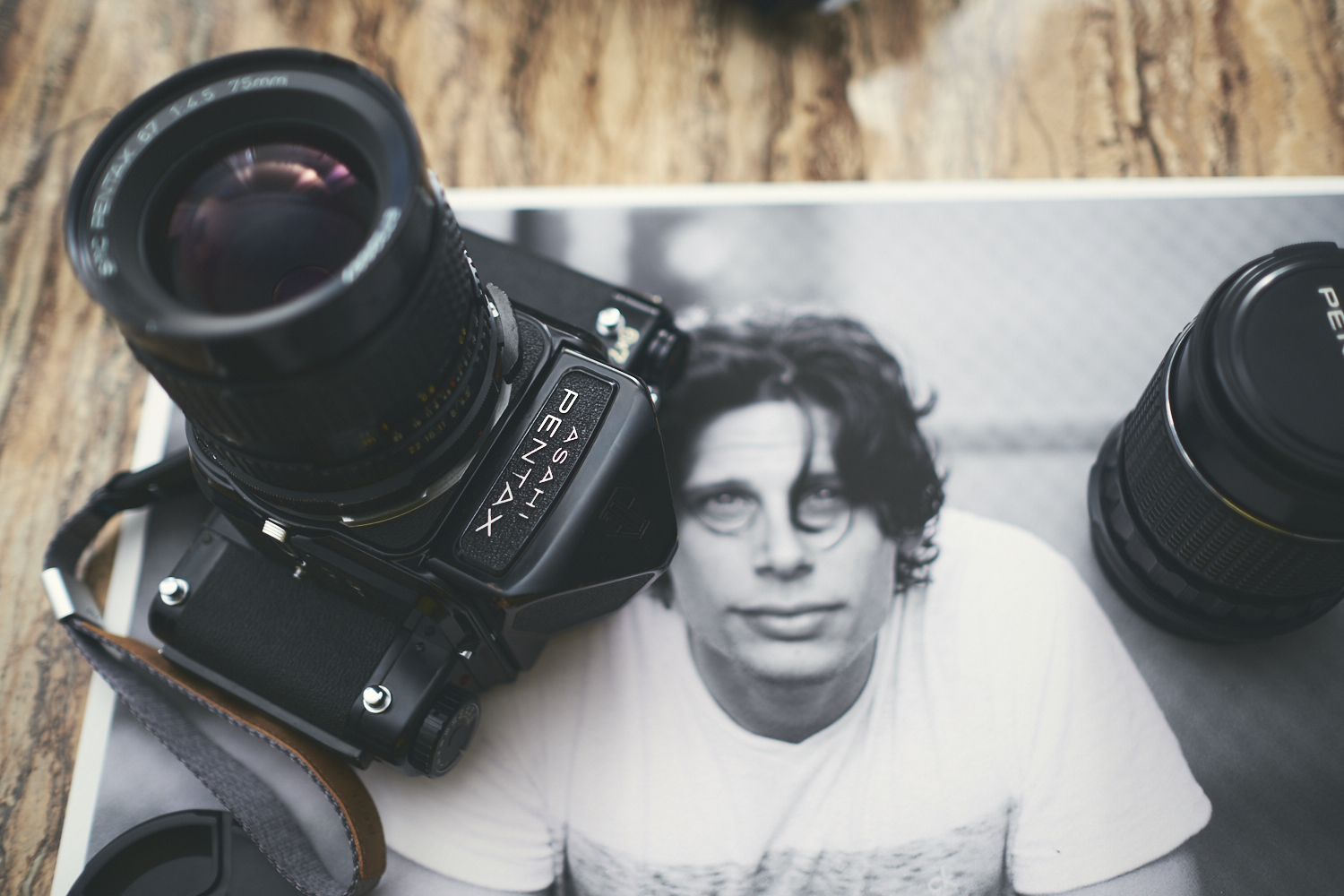
Pentax 67: Obviously, 67 Format
“The Pentax 67 is honestly a fantastic medium format SLR camera. It has found a way into the heart of so many photographers. With a plethora of fantastic lenses, it is surely best used when shooting with natural light outdoors. It’s not the best for studio work and location work with a flash due to the long flash duration of 1/30th. You’ll also want to use wider lenses for something like that.”
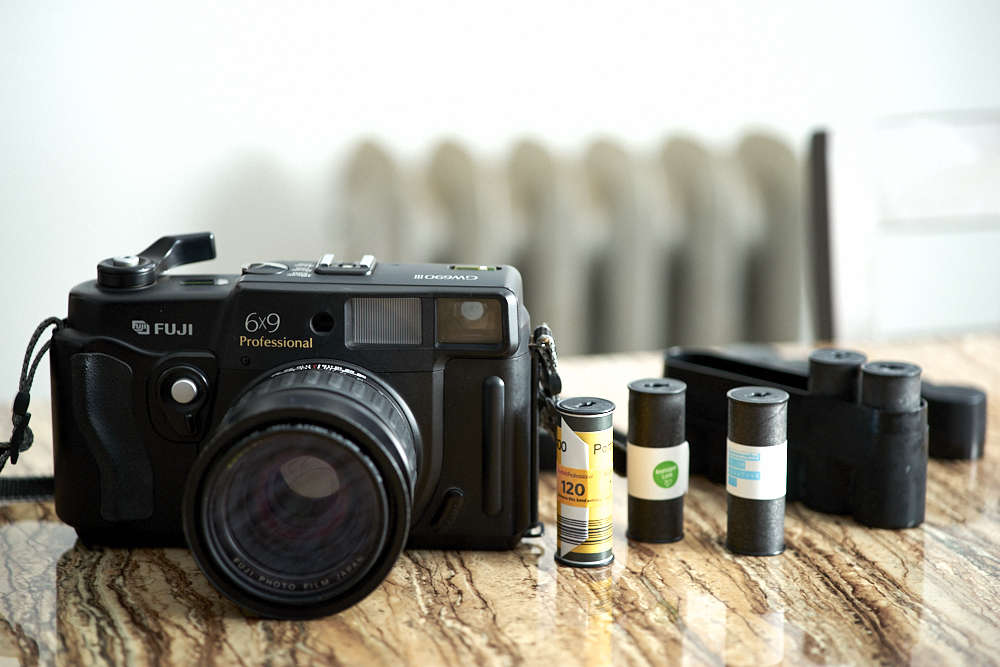
Fujifilm GW 690 III: Big is Beautiful
“I’ve been using the Fujifilm GW690 III for a really long time now. By far, it’s my most used medium format film camera, even over my Mamiya RB67 Pro S. That’s because it’s got a small(ish) size, fantastic lens, rangefinder focusing, and it’s reliable. Sure, you’re only getting eight shots per 120 film roll, but if you’re careful then that’s enough.”
There are areas of photography that are revered by many photographers, two of them are medium format and Polaroid. However, combining the two has become tremendously expensive in recent years. Perhaps now there's a solution.
I have a well-documented love affair with medium format. Some of it — possibly a lot of it — isn't overly logical, but I love it all the same. In the last few years, I have dipped my toe into something else that interested me and the other side of today's coin: Polaroid. I was lent a Leica Sofort and while it wasn't perhaps the best example of instant photography, it was endearing. Then my girlfriend's family found their original Polaroid similar to the famed SX-70 and I fell deeper still.
However, the idea of shooting medium format square Polaroids is very enticing indeed. It was a popular way of shooting, both creatively and for testing purposes, during the film era and Fujifilm has an adored film type called the FP-100C which was discontinued in 2016. As with all discontinued film types that are loved, their price rocketed, and now even expired packs of 10 shots will cost you $70 or more. In this video, George of NegativeFeedback experiments with a cheaper way using a Zinstax Polaroid back for the Mamiya RZ67 which can use Instax film at a much cheaper price per shot. If you want to see a video showing exactly how it all works, here you are:
For some, the “magic” of film, medium format especially, or the benefit of full frame digital is all hype. Is it really just hype or can you tell a difference?
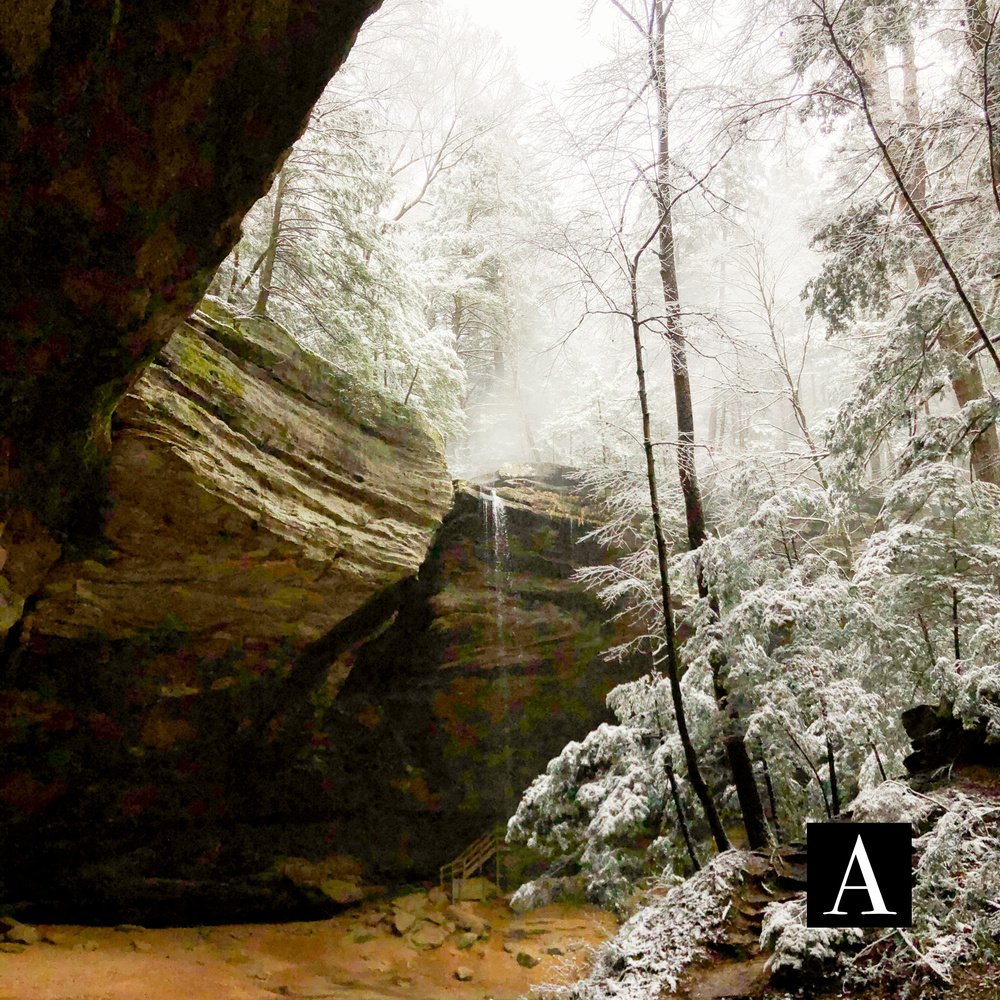
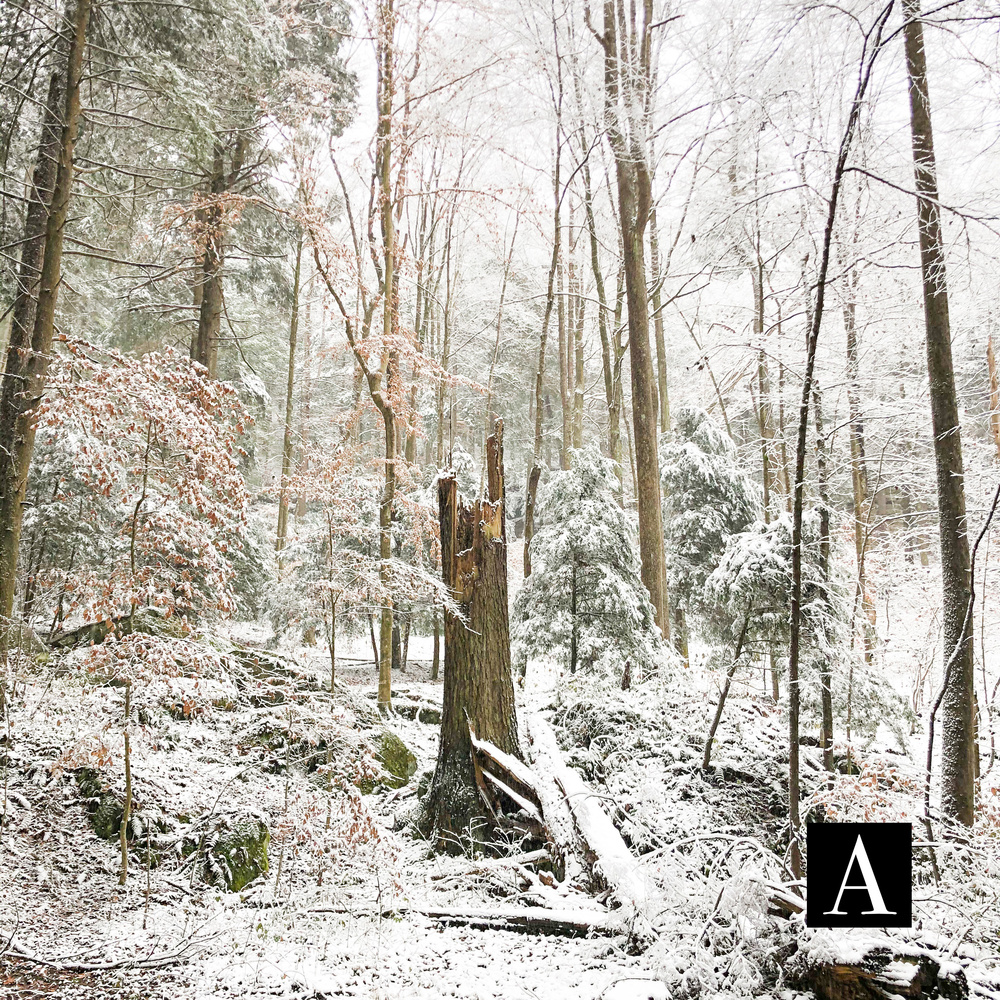
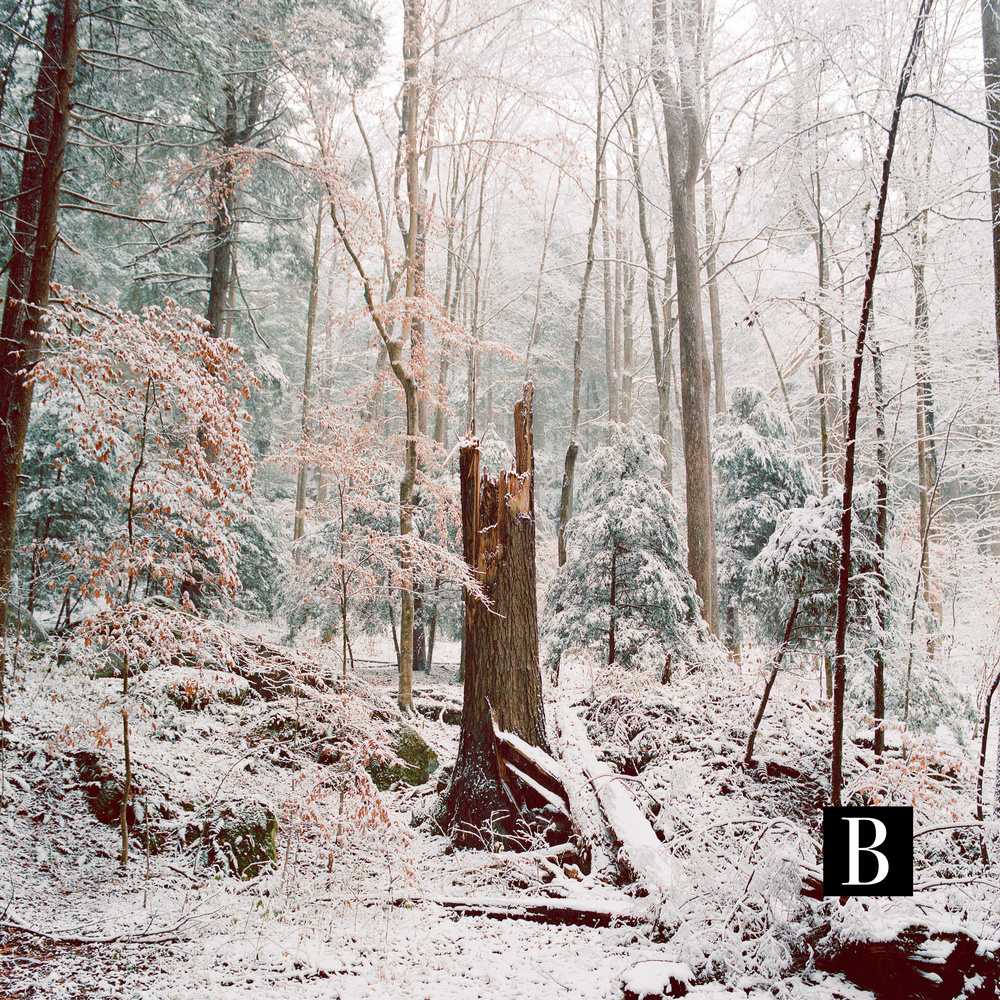
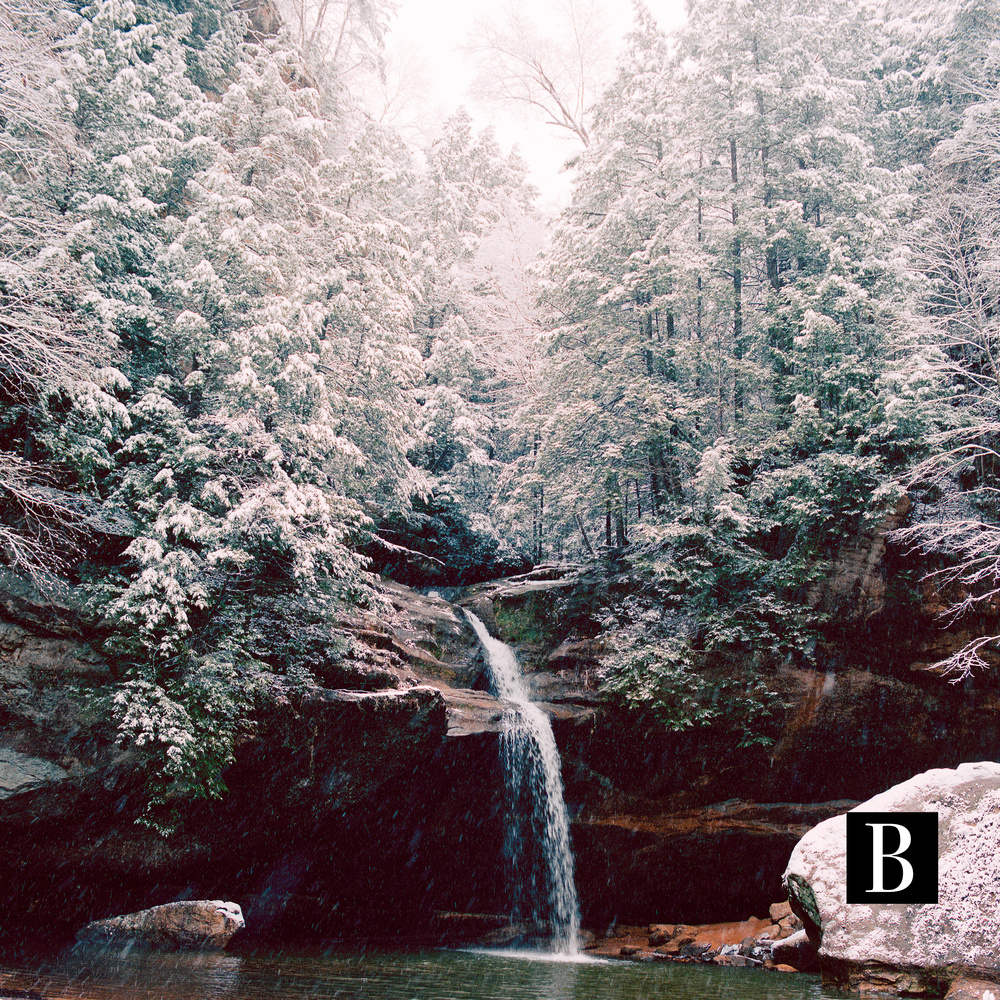
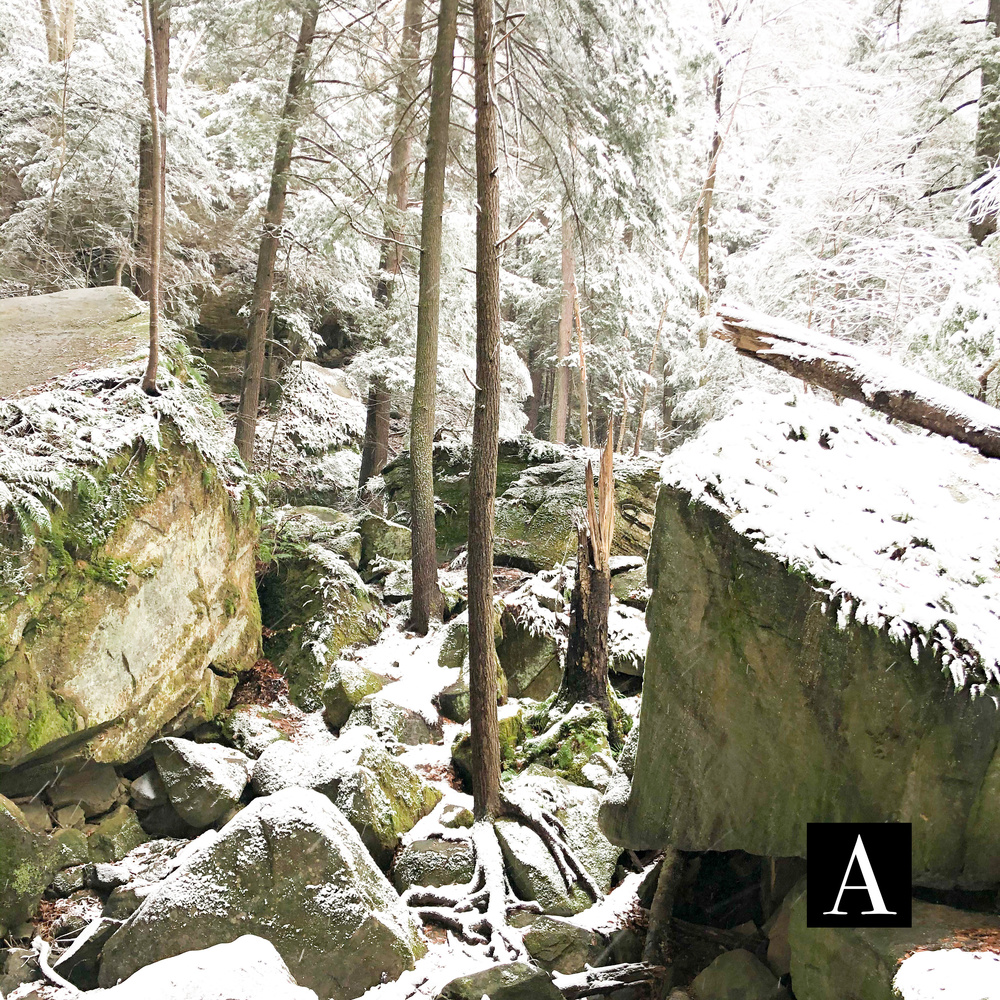
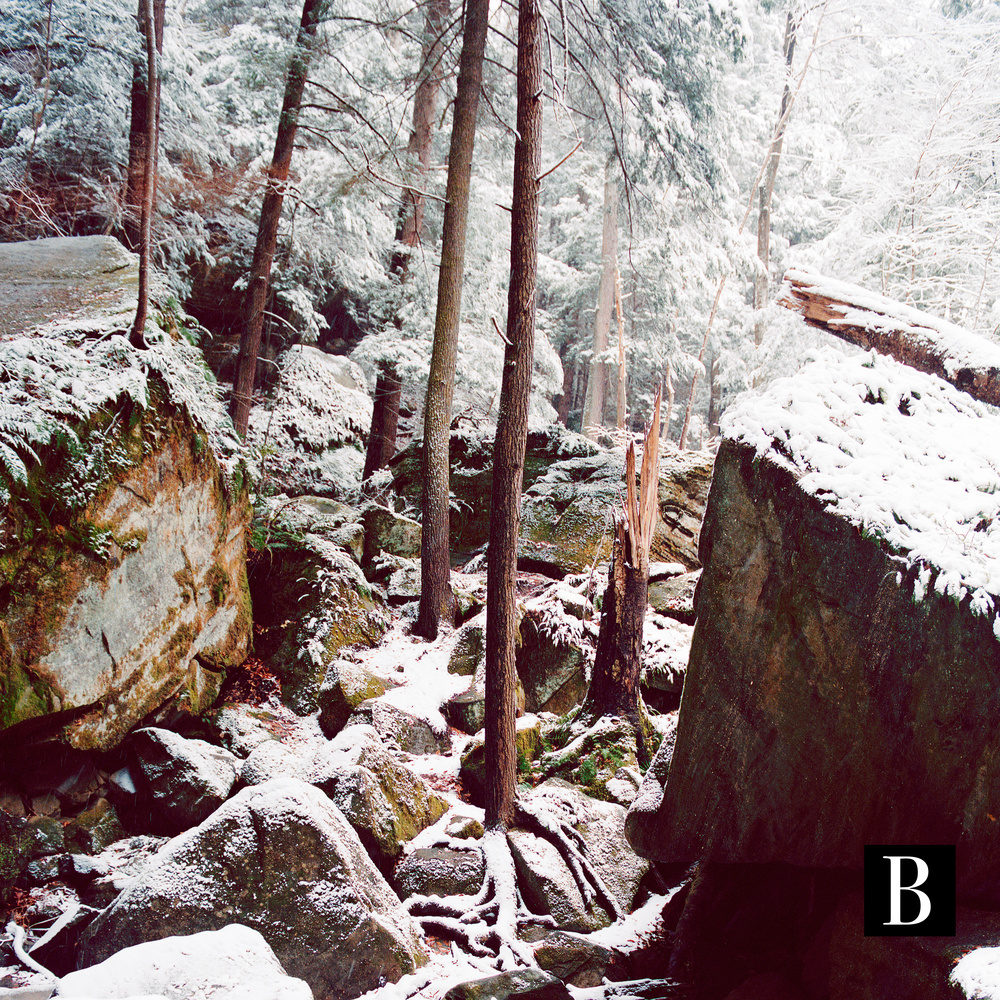
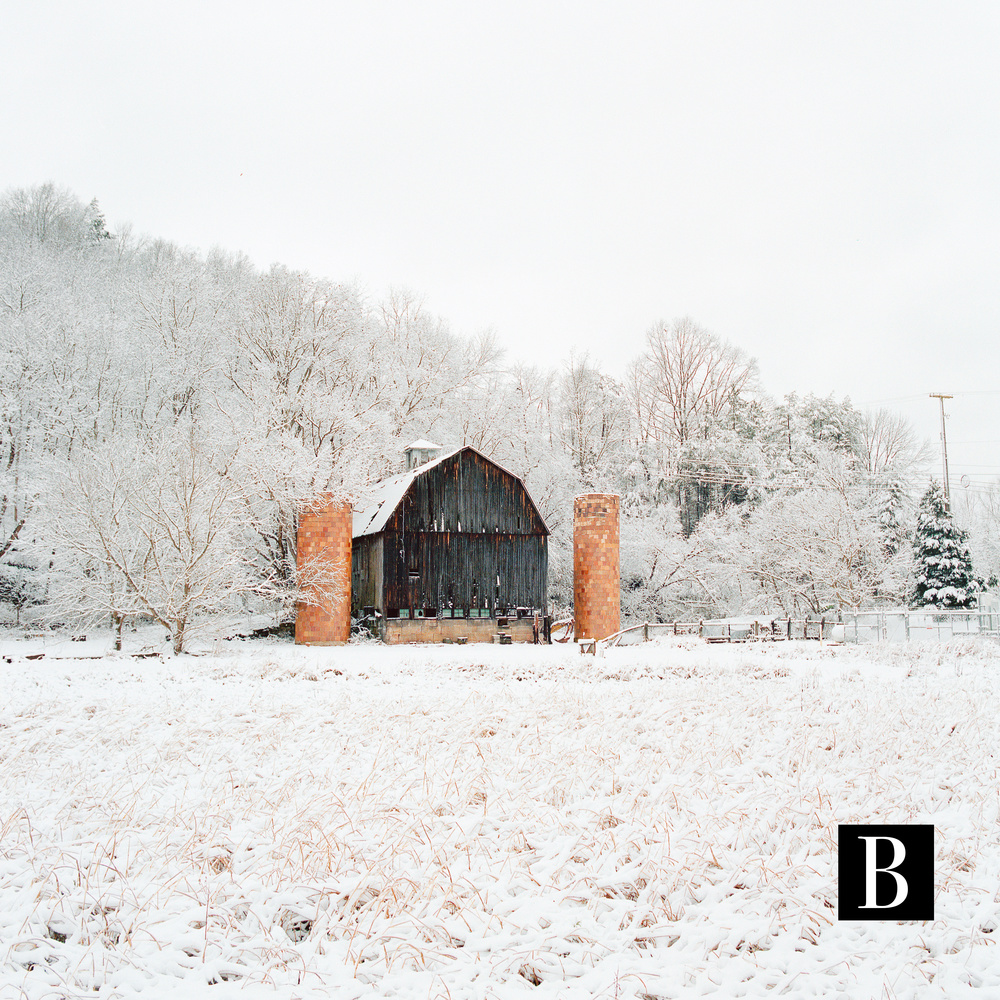
In this article, I am going to share the results of a series of photographs that were each taken with an iPhone, a full frame digital camera, and a medium format film camera. All photographs were taken on the same snowy day in Hocking Hills State Park in Ohio. Each photo was edited as I would normally would and is presented with a letter in the bottom right corner of the frame to be able to consistently judge across the different images which camera took which photograph. Each photo was cropped to be a 1:1 format so as to not completely give away the answer based solely on the aspect ratio of the image. In addition, while I don’t have lenses for each that are in perfect equivalence, I used the widest good lens I had for the digital camera and film camera to at least try and not have the focal length give away the results either.
For consistency between the digital camera and film camera, the shutter speed was metered using the digital camera using the same aperture, shutter speed, and ISO. Lastly, it should be noted that I did not attempt to edit each photo to look identical to one another. Instead, I edited the shots as I normally would given the camera/film stock.
Mamiya RZ67 paired with a 65mm f/4.0 W using Portra 400, shot and processed at 400 ASA, scanned using Epson V600 and inverted/edited with Negative Lab Pro
Results
For our first comparison, we are looking at Ash Cave, which provides an excellent opportunity to really exercise the dynamic range of each camera. In addition, the cave itself is quite enormous and looks beautiful after a fresh coat of snow. Camera A really struggled with this photo as the shadows got quite muddy and just about all of the details south of the bottom of the trees are also quite muddy. Between Cameras B and C, the color palette is different but overall, they both seemed to perform well. If I were to be really picky, I may say that the edge goes to Camera B where the shadows seem to have kept more detail.
The second comparison is of a broken tree in the woods. I don’t know what attracted me to this scene, but I really liked it. For this comparison, Cameras A and C were much closer than in many of the others — the color palettes are very similar. Camera B was also close but a tad warmer.
The third comparison, of Lower Falls, had similar results as the previous set of photos with one exception. Camera A produced a slightly warmer shot than Camera C, and once again, Camera B was warmer than both of the other two. Overall, I think all three cameras performed quite well, and trying to say one is better than another would come down to splitting hairs.
At the risk of sounding like a broken record, the results of the fourth comparison are much like that of the previous ones. Camera A just isn’t as sharp as the other two, and the color palette of Cameras A and C produced similar images, while Camera B is a good deal warmer.
The last comparison is of a barn just outside of Hocking Hills. This comparison was much closer than just about all of the others, I think. The main difference was in sharpness, where Camera A is not quite as sharp as the other two. The second difference was in the tendency for Camera A to be cool and Camera B to lean a bit warm.
Final Result
So, do you think you know which camera is which? If you’re at all familiar with Portra 400, you have probably guessed that Camera B is the Mamiya RZ67 loaded up with Portra 400. For film enthusiasts, the tones of the Portra series are pretty hard to mistake. In addition, if you’ve been looking at the images closely, you’ve probably noticed that while Camera A had sufficient clarity for a small print, the resolution is nowhere close to that of Camera C, which means, you guessed it, Camera C is the Sony and Camera A is my iPhone.
Limitations
There are, of course, limitations to any comparison like this — most notably would be with the representation in the film category. That is, the choice of format (e.g., 645, 6x6, 6x7, etc…) would have a pronounced impact on the perceived sharpness of an image. In addition, the choice of the film itself can have a large impact on the final results. As you may recall from a previous article outlining the different types of film, slide film would offer substantially more clarity and more vibrancy but suffers from a much-reduced dynamic range. In addition, even a move from Portra 400 to Ektar, another color negative film, would have resulted in better sharpness and more saturated colors.
In addition to the choice of film stock and film format as ways to get substantially different results, the specific digital camera and lens used could also substantially alter the results of a comparison. That said, I only own one digital camera, and my Nikon 28mm is an exceptionally sharp lens and the widest good lens that I own.
Beyond the limitations presented by the choice of cameras and film stock, I would like to also acknowledge that all of my comparisons are made on landscapes only in a snowy Hocking Hills. For a portrait photographer, the comparisons I’ve made would be of limited to no utility. Even for a landscape photographer, drastically different scenes could present their own challenges would potentially better highlight the differences (or lack thereof) between the different cameras.
Conclusion
To start, I’ll admit that had I really put forth effort to try to mimic film with my digital shots; I think the comparison would have been much harder between the Mamiya and the Sony. That said, I have a pretty consistent editing style at this point in my life if for no other reason than that I strongly prefer for the film stock to do the talking when it comes to the color palette and sharpness. As a result, editing my digital images have similar results in that they have minimal edits to them, letting the color tendencies of the specific camera/lens shine through. At the end of the day, the best camera is the one you have on you. Should you have more than one camera one you at the time, particularly if you’re counting your phone? How do you decide which to use?
Though it was introduced 50 years ago, the Mamiya RB67 is still one of the most beloved cameras out there, widely sought after by many film photographers. What makes this camera so special? This great video follows a photographer as he shoots with it for the first time.
Coming to you from Willem Verbeeck, this awesome video takes a look at the Mamiya RB67 medium format film camera. Introduced in 1970, the RB67 (which stands for "rotating back 6 x 7") is still sought after by a lot of photographers, with many considering it one of the most well-designed cameras ever (our own Hans Rosemond adores it).
You may have also heard of the Mamiya RZ67, a similar model. The primary difference between the RB67 and RZ67 is that the RB67 is entirely mechanical. One particularly unique aspect of the camera (at least compared to the way we shoot today) is the waist-level viewfinder, providing a very different shooting experience.
It is quite similar to a TLR (twin-lens reflex) in experience, but different in that it uses a mirror like a DSLR instead of employing a second viewing lens (this also allows you to change lenses). Check out the video above to see what it is like shooting with the RB67.