Showing posts with label Medium Format Film Cameras. Show all posts

7.1.24

This Company is Making Wholly Original, Affordable, Customizable Medium Format Film Cameras


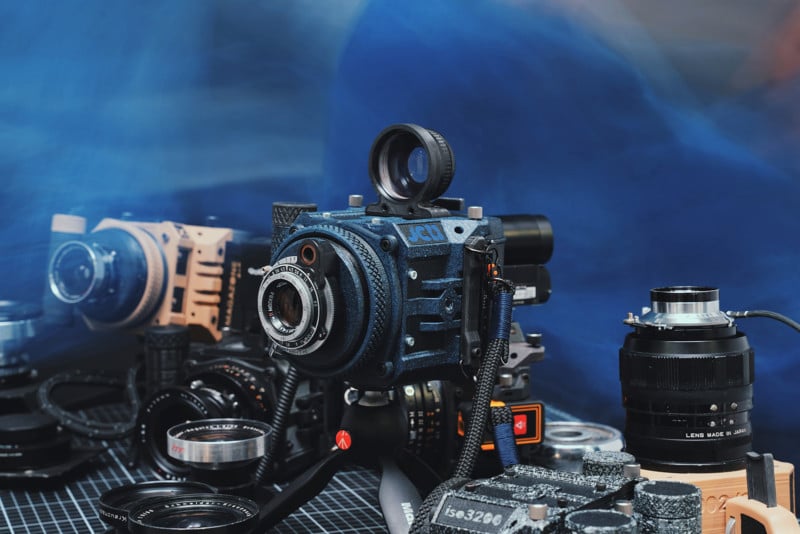
In 2016 and again in 2018, PetaPixel featured the work of Dora Goodman, a woman who was adding hand-crafted elements to analog cameras. Fast forward to 2021, and Goodman has gone steps further and finally created cameras of her own design.


When Goodman started her project almost five years ago the business was built around reskinning cameras with wood, leather, or any special material. Though a handcrafted process, the cameras were still Nikon, Pentacon, Hasselblad, or whichever brand but were just redesigned aesthetically.


Goodman and her team always dreamt of being more than a reskin service.


“We always had the dream to leave a mark in the analog photo industry and we really wanted to create actually our own cameras,” she tells PetaPixel. “Our first trials were the wooden cameras (I mean totally made out of wood), which we still love, but then we realized that is a huge amount of work and very slow, so we could not build a business only on this, even if our community loved it.”


In recent years, 3D printing has become more accessible at a low cost, and Goodman decided to look into that as a possible way to expand her business.


“We started to experiment and it turned out that this technology is working great for us! It resulted for us in cameras that function perfectly and also look great,” she says, smiling. “It is a continuously developing technology and we love that it is so flexible, it almost has no boundaries – people are printing everything from organs to houses.”


Using 3D printing has allowed Goodman and her team additional advantages over building everything from wood by hand.


“Thanks to this method, we can continuously upgrade our cameras, anytime we have a new idea we make a design, print it and in a few hours we see if it is working or if it looks good,” she explains. “It’s easy to tweak and fine-tune our products.”
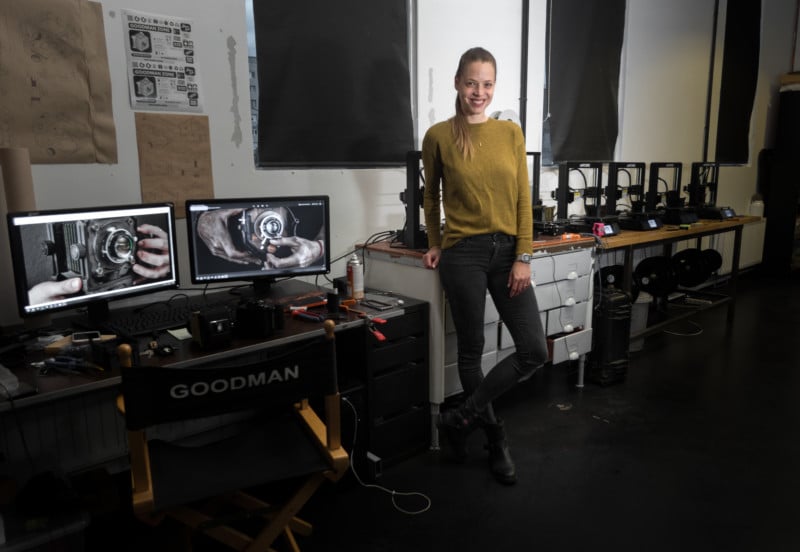


No longer is it a challenge to find specific parts.


“We love that when we have an idea that we need something special accessory for a camera, we do not need to hunt for that, but we can design and print it. It is so cool! The process is fast, effective, and cost-efficient, which can result in the affordable cameras we sell.”
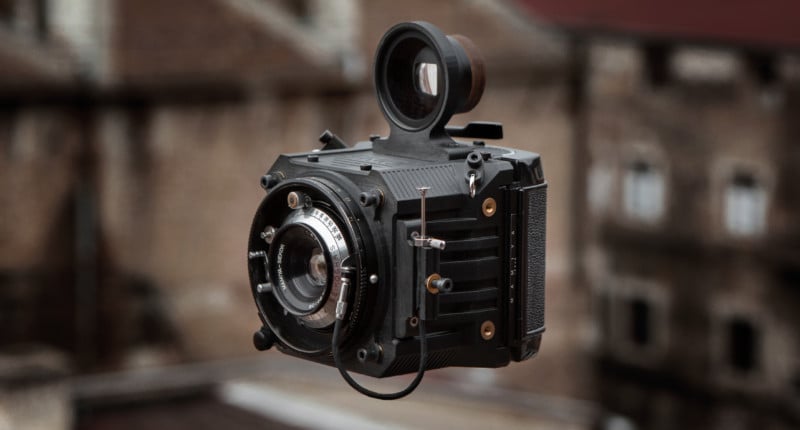


Goodman is focusing her business on 3D printed cameras now, and has released two custom, unique Goodman originals that she hopes will let them leave their mark on the analog photography world.


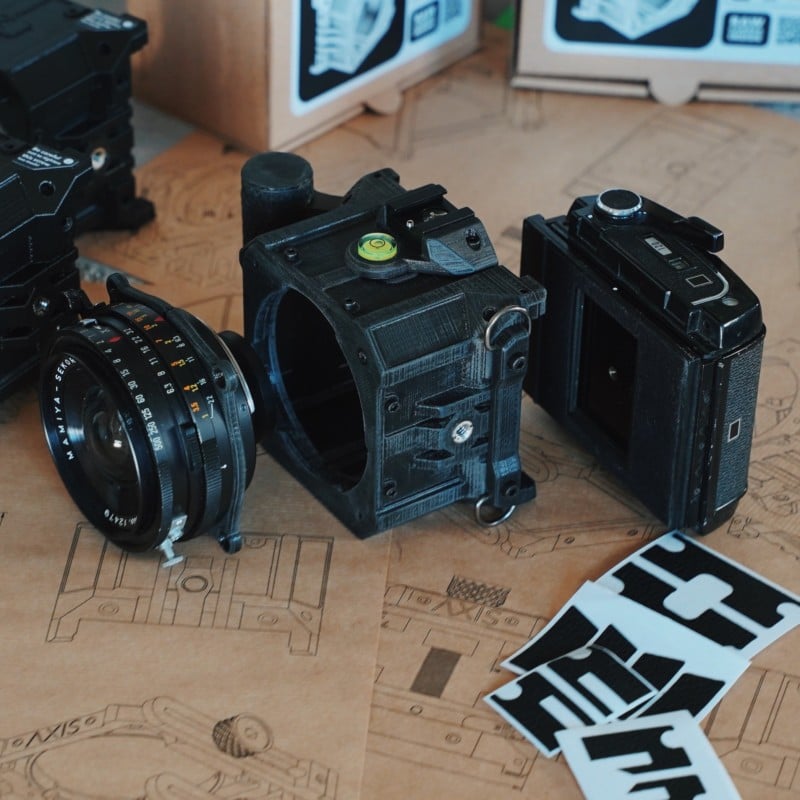
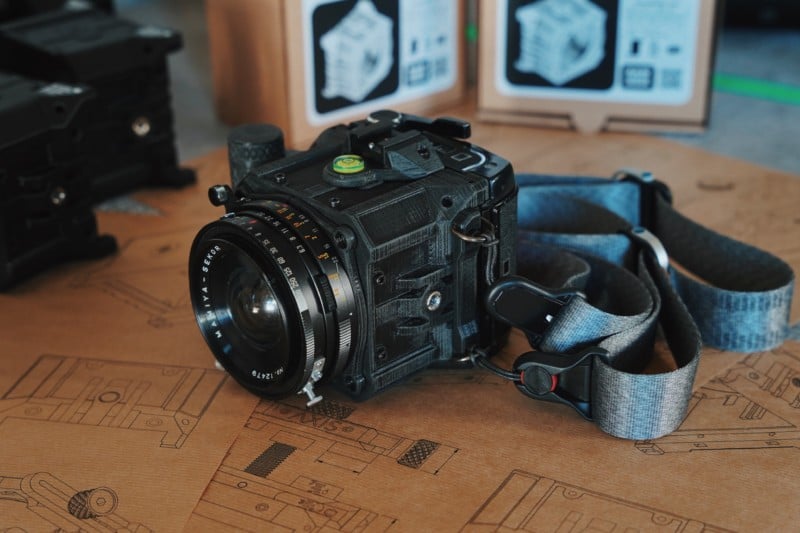
The Goodman Zone Medium Format Camera
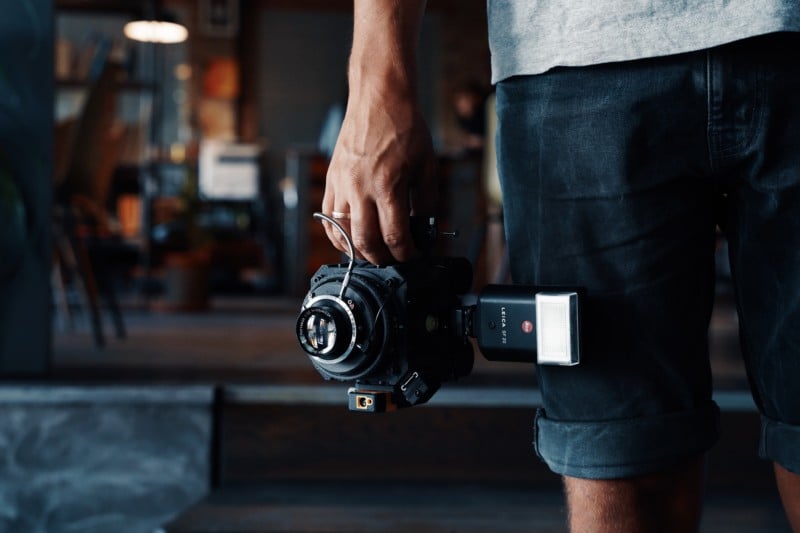


Launched in October of 2019, the Goodman Zone Camera is available open-source but also it is possible to order from Goodman’s online store.


Goodman says that she and her team understand that it is not always easy to find new or used medium format film cameras in good condition and also at a good price, so when they designed this camera the goal was to provide a professional and affordable medium format camera an entry-level price to give everyone the opportunity to try out medium format photography.


Processed with VSCO with c8 preset


Processed with VSCO with c8 preset


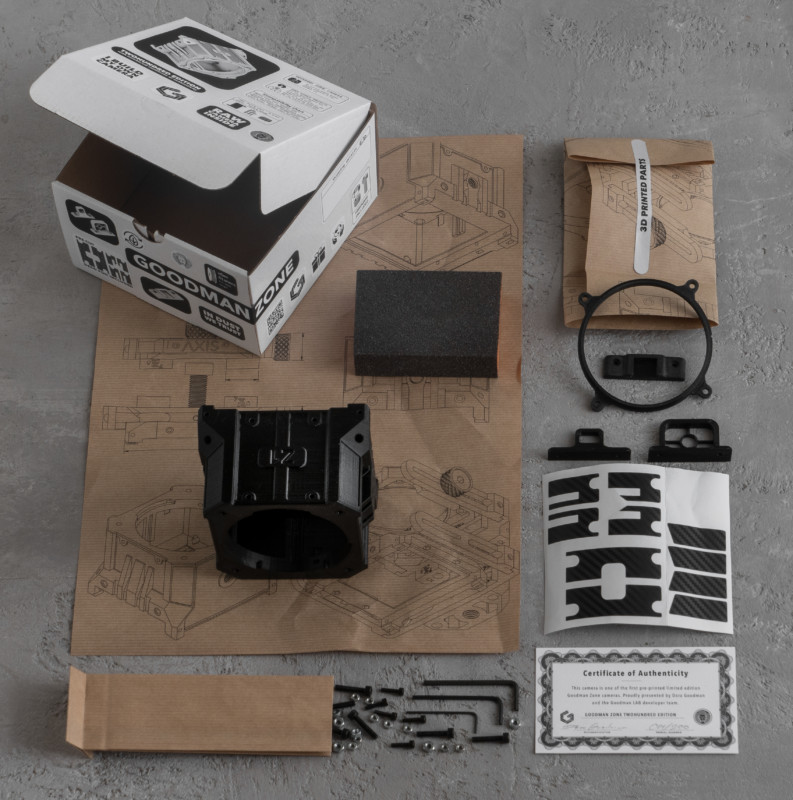
“Originally, we designed it to work with the Mamiya RB67 back and Mamiya Press Lenses. In the first year it was available only in a DIY kit, meaning that all the parts are pre-printed and all the necessary hardware, tools, etc are included in the package, and you just need to sit down, take some time for yourself and assemble your own camera,” she explains.


“Building your own camera is such a special process, we definitely recommend to every photographer to experience this joy it gives, and that special bond you will have with this camera.

As Goodman alluded to, thanks to the process of how they make their cameras, building out a design never has to be a “finished” process.

“Since then we are always developing the Zone, we launched a lot of small accessories, and in the last few months, the biggest development was a helical lens adapter with ground glass (also 3d printed) that makes it possible to attach a wider variety of lenses now to the Zone. Also now in January we are launching the Goodman 6×6 Magazine, a 3D printed back that fits our Zone, so from now it will have an alternative to the Mamiya rb67 back.”

Just in the last month, Goodman launched the ability for customers to order pre-assembled cameras, as they realized not everyone has the time and patience to build their own.
The Scura 3D Printed Pinhole Camera
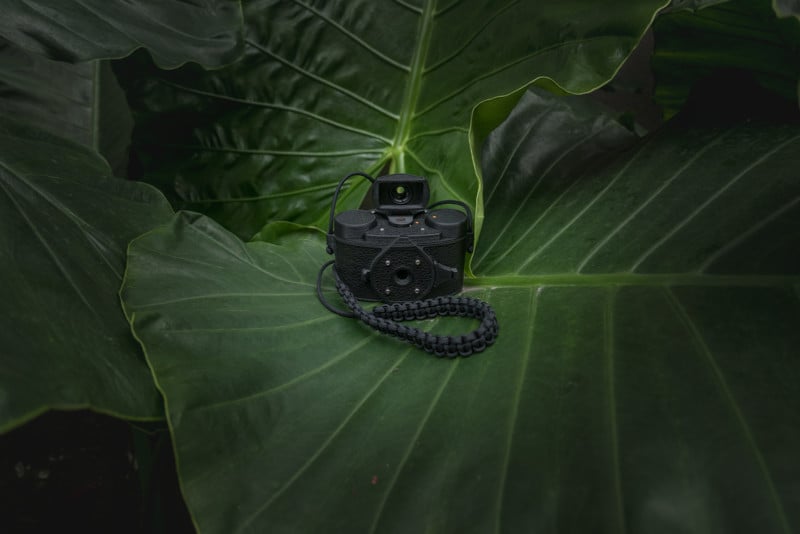

Goodman’s second camera offering is available in 35mm or 6×6 formats and was launched in March of 2020. Just like with the Zone, the Scura is available as open-source so you can build it yourself, a DIY kit or, now, as a fully assembled camera and is recommended for both beginners and advanced photographers who are looking to experience the unique world of pinhole photography.
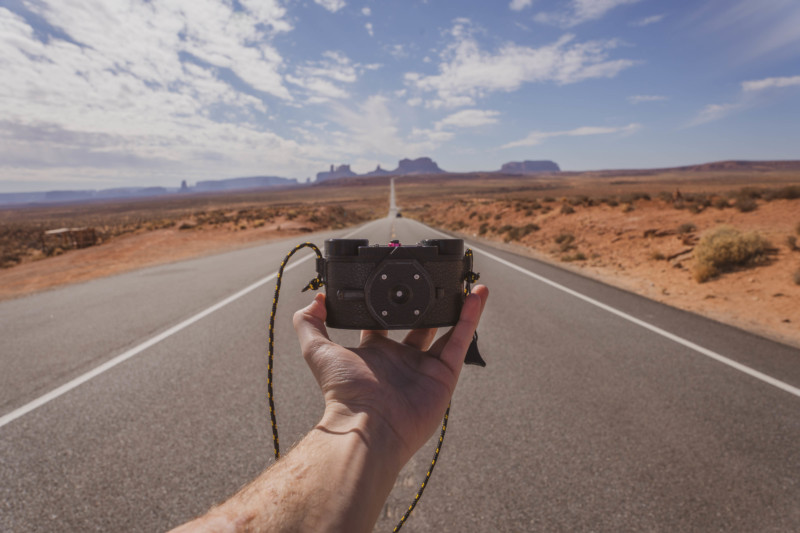
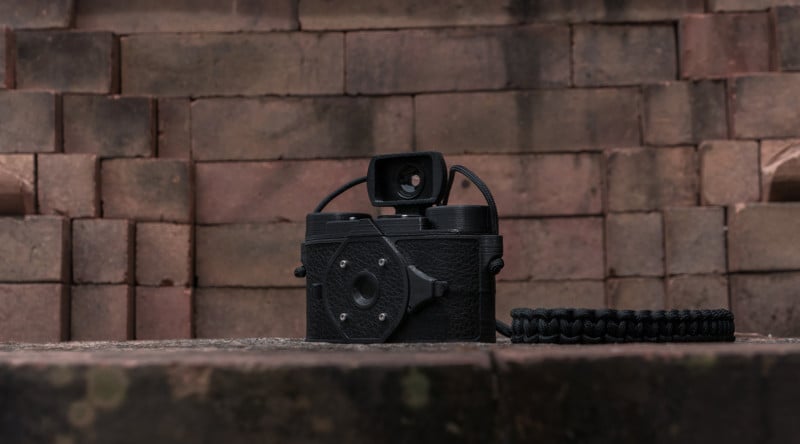


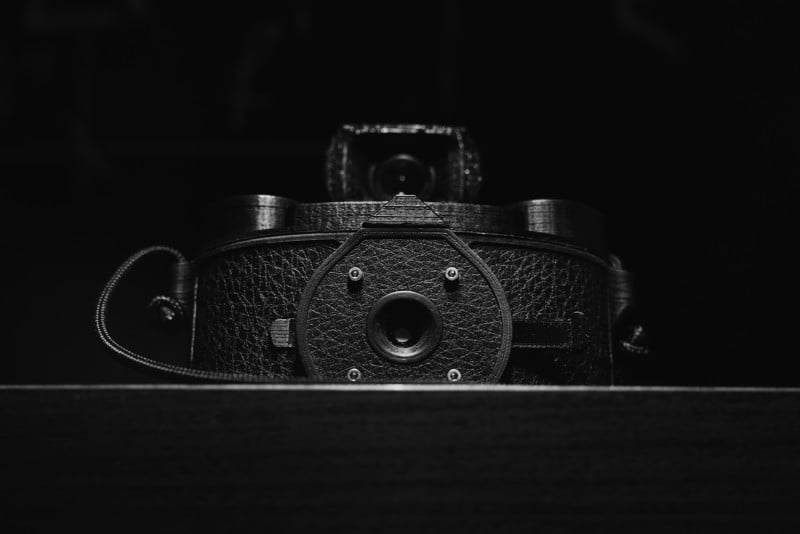
The tiny camera obscura was designed with a special curved back, so the light can reach the film evenly, which results in distortion-free images. 

Furthermore, it has a laser-drilled pinhole plate with a microscopic accuracy that is a perfectly even and smooth cut,” Goodman says. “It is a fun yet powerful pocket camera for capturing moments. 

A camera with a simple, easily manageable mechanism and minimalist design. The Scura pocket camera is tiny and super lightweight (only 0.2 kg) so it easily fits into your pocket in any condition.”

Custom Cameras

For 2021, Goodman says their goal is to create custom cameras based on the Goodman Zone body.

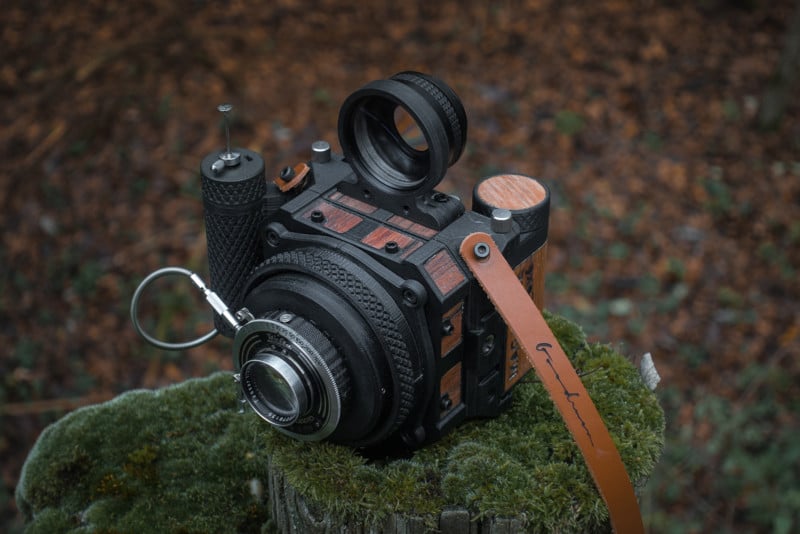
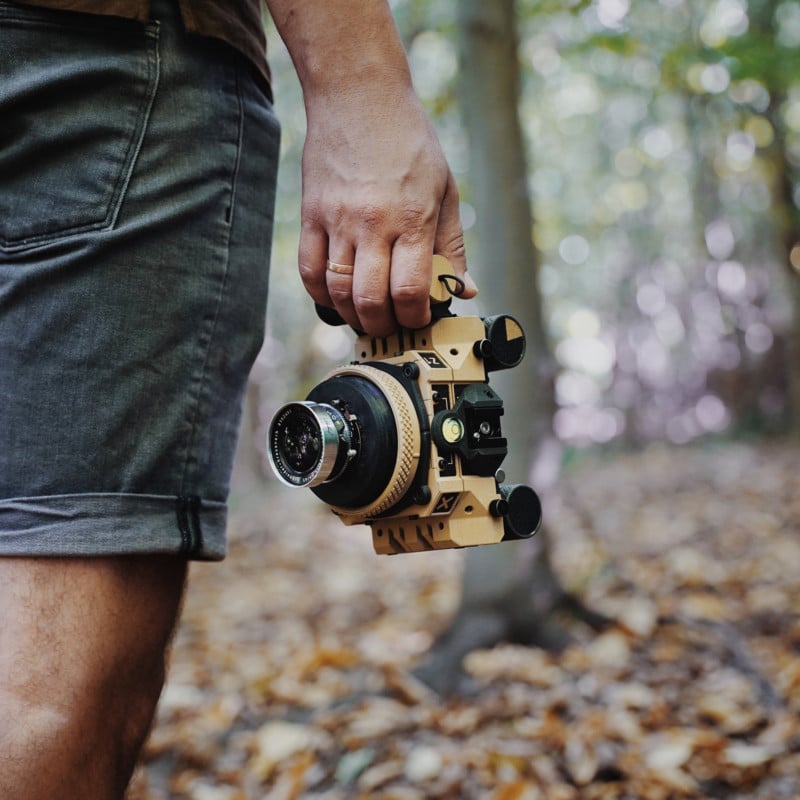
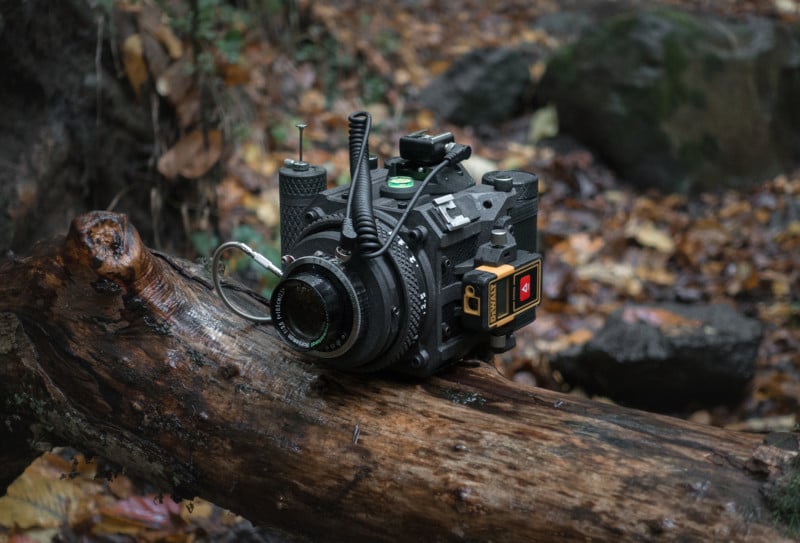
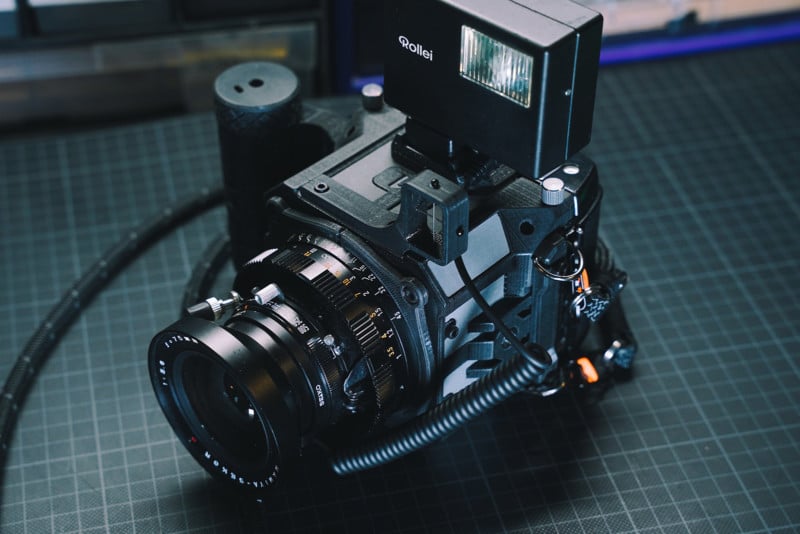
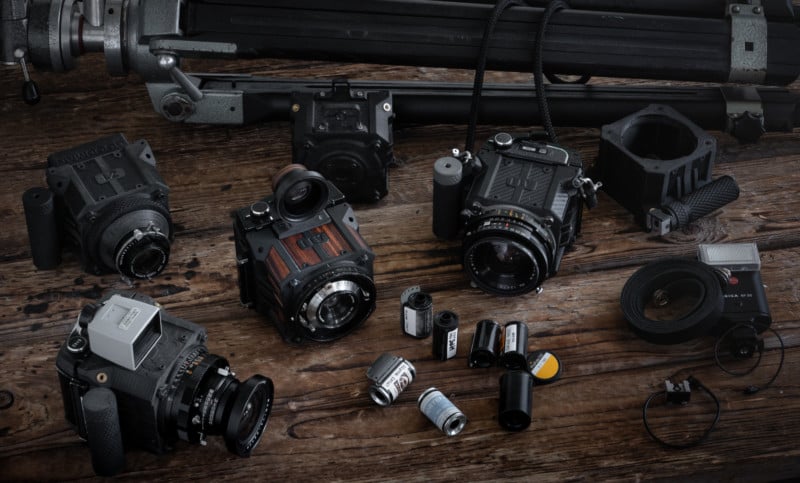
“We get a lot of requests from our community to build them a whole setup so they do not need to hunt lenses and backs. We want to make each of these requests special with our ideas like a special accessory, color, wooden inlay, etc, so all will be different and there will be only one from these custom editions.

Below are a few examples of custom cameras Goodman and her team have already completed.
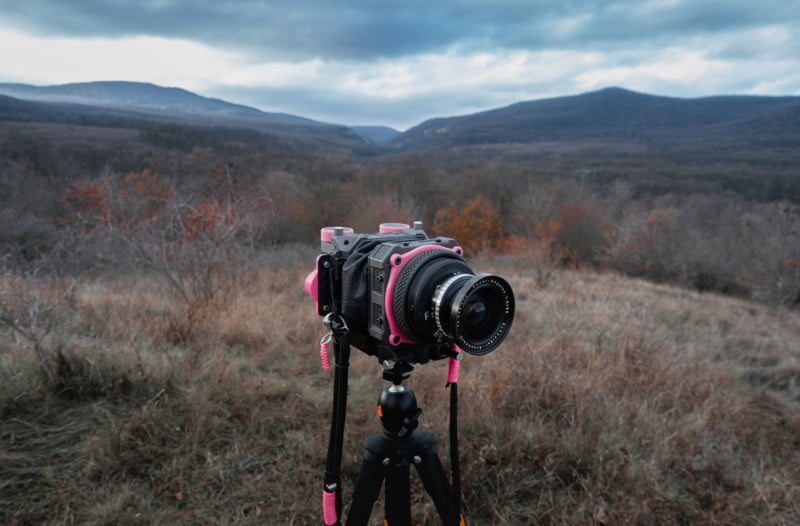


“We love combining different materials and also we love to experience with the endless possibility of 3D printing,” she says.

In addition to the cameras, Goodman says they enjoy tinkering with other interesting gadget ideas.


“On the side, we always experiment with 3D printing and we love to create any kind of gadget that actually comes into our mind. For example, we developed a 3D printed gimbal that you can use with your smartphone and with a plastic bottle, or our recent innovation is a cold brew coffee maker (that is not launched yet but will be in a month), that is such a cool thing, and does actually make really great coffee!”

Goodman’s choice to not only offer cameras as a DIY or fully-assembled but also as open-source for anyone to build shows a dedication to making photography available to anyone, anywhere, simply for the love of the craft.

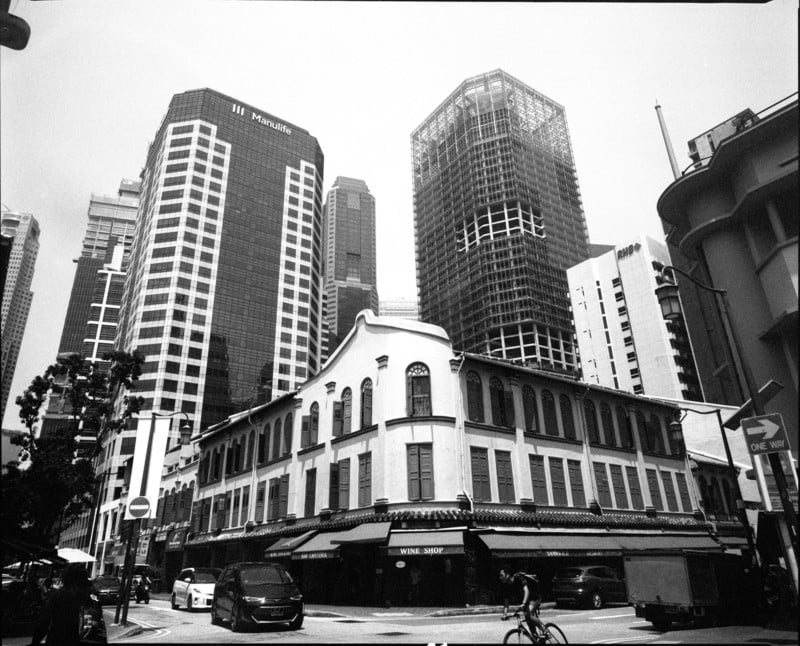
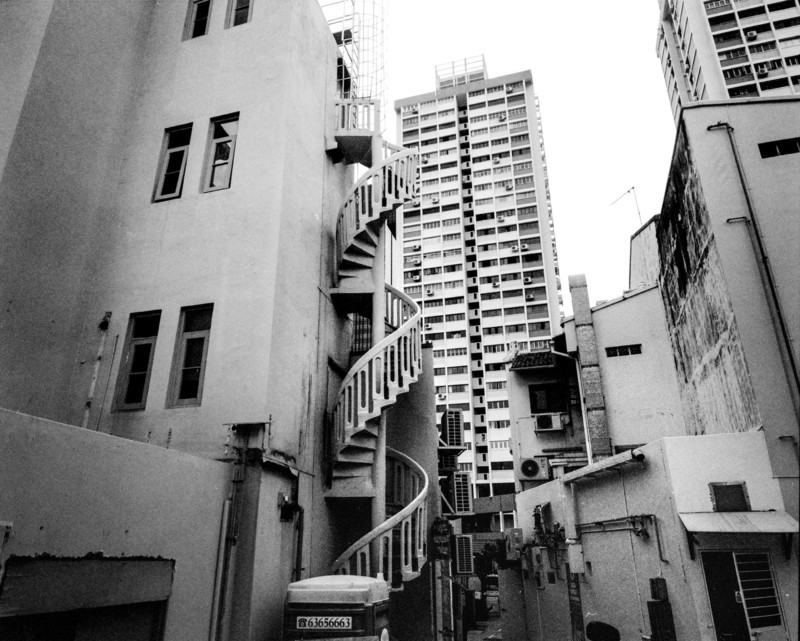
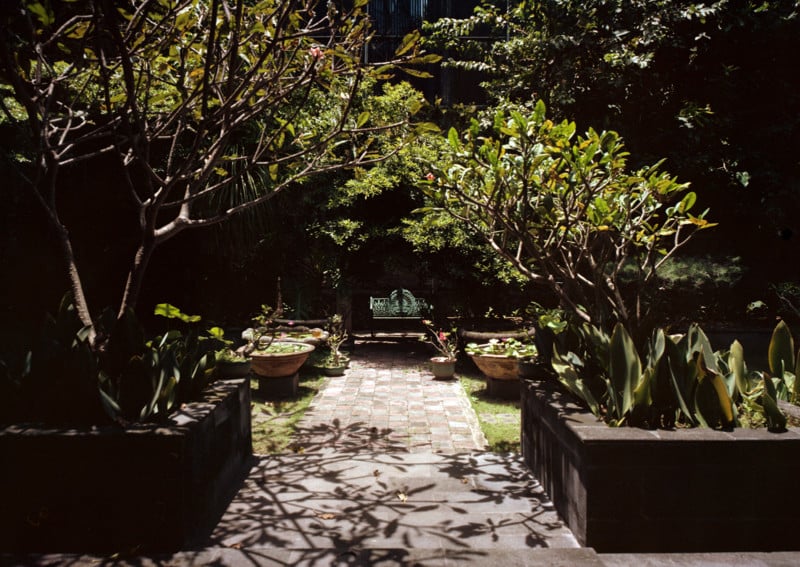
Below, Goodman provided a set of images taken with the Goodman Zone camera:
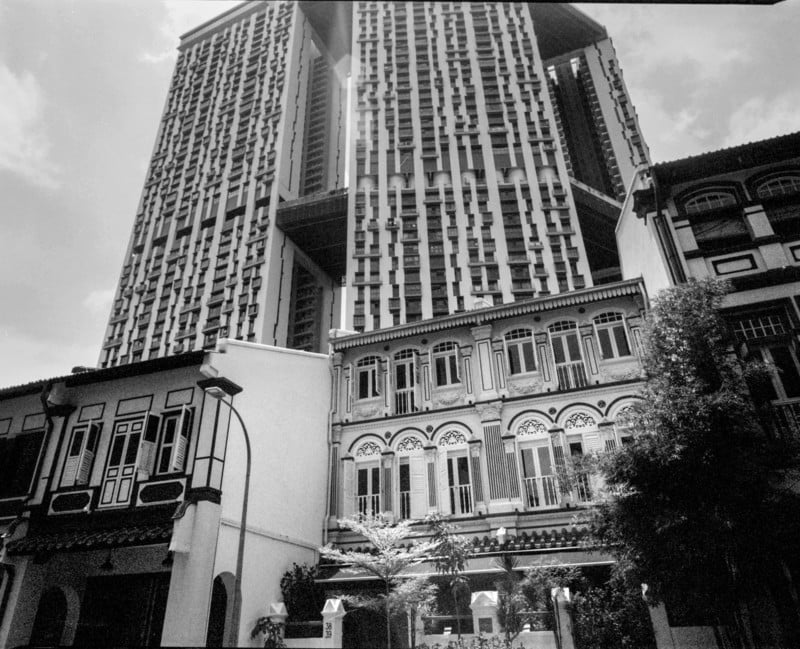


To look at the full Goodman camera offerings, check out their online store here. You can also follow Dora and her work on Instagram.

7.1.23

4 Favorite Medium Format Film Cameras


If you love film photography, you’re missing out if you don’t use medium format film cameras. Arguably, this is where you’ll really to start a major advantage over digital photography. There’s also things like the look, the feel, and the overall approach to how you work with subjects. You have to be a million times more conservative with how you shoot photos. So we dove into the Reviews Index to find some of the best medium format film cameras we’ve used.

Why We Chose These Medium Format Film Cameras

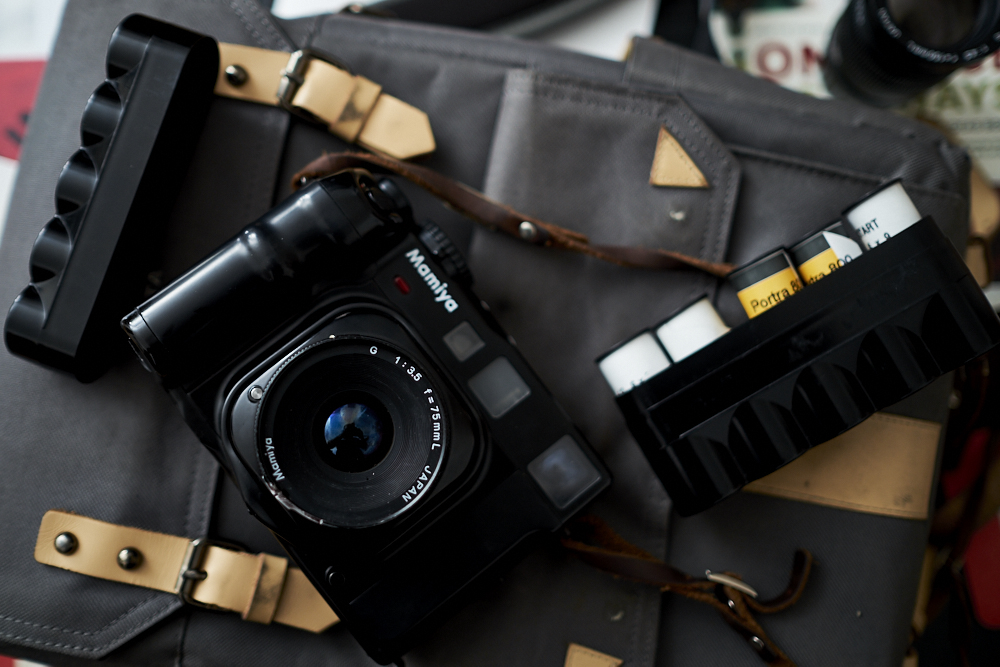
First off, we’ve reviewed a bunch of medium format film cameras over the years. And we’ve specifically chosen these for a variety of reasons. With the exception of the Mamiya 6, all of these cameras are completely analog and don’t need batteries at all. Of course, if you get a metered prism for the two SLRs, that’s the exception. But a fully analog camera will always work no matter what. The Mamiya 6 was chosen because the system has arguably some of the best lenses ever made. It’s also incredibly versatile, and I love the square format.

No Hasselblad? Yes. The reason for this is because of the pricing. That’s also why we haven’t reviewed or listed the Contax 645, Mamiya 645, etc. We also chose the Mamiya RB67 because it’s often more reliable than the RZ67. We also didn’t choose a 645 format camera because digital 645 arguably outdoes film at this point.

Mamiya 6: Square Medium Format
“I’ve been on the search for the perfect medium format film camera for me for years now. This, the Fujifilm GW690 III, and the Mamiya RB67 Pro S are amongst my favorites. I prefer to have a multitude of formats and cameras that can handle different situations accordingly. But of any of those, the Mamiya 6 seems to offer the most versatility. I can use it for documentary work, studio work, landscapes, portraiture, and so much. It’s just meant to be a damned good professional film camera.”

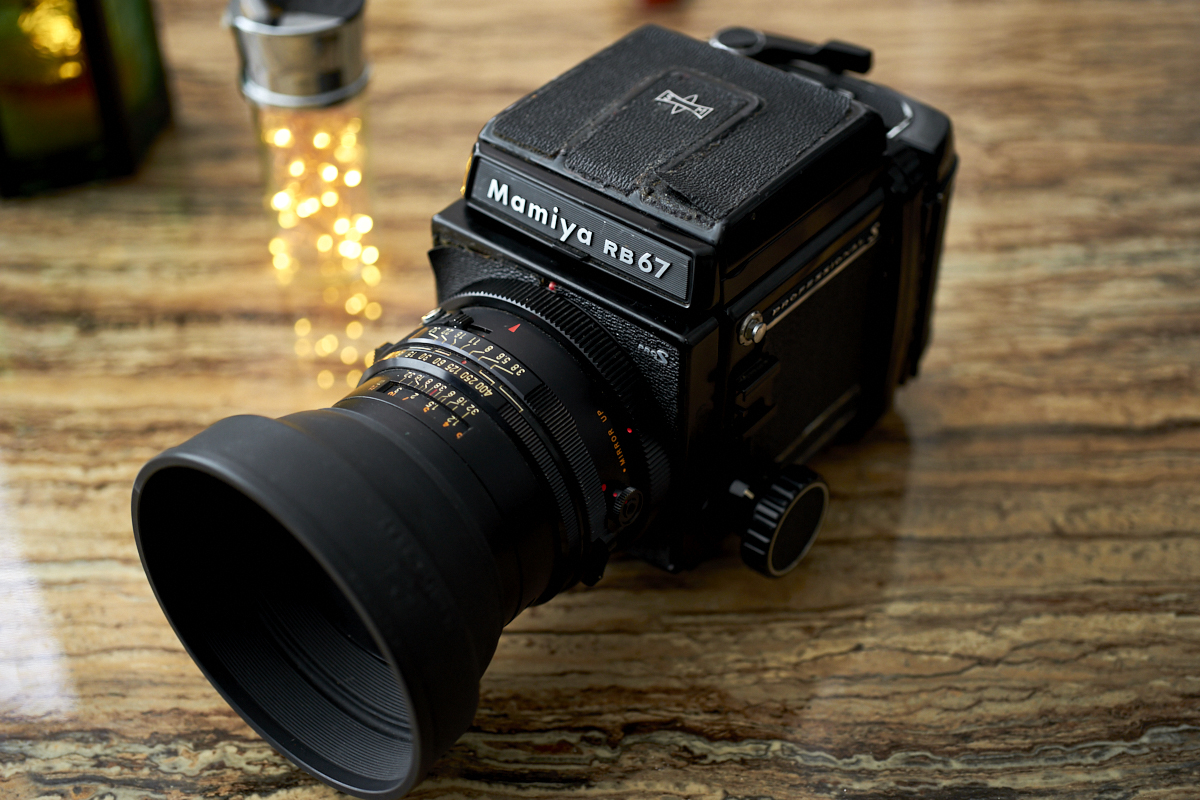
Mamiya RB67: 67 Medium Format
“The Mamiya RB67 Pro S is a camera meant for the serious photographer that wants to stick to analog. It’s a studio and landscape camera that will most likely require a tripod from you. They’re fantastic to use; but also keep in mind its difficulty.”

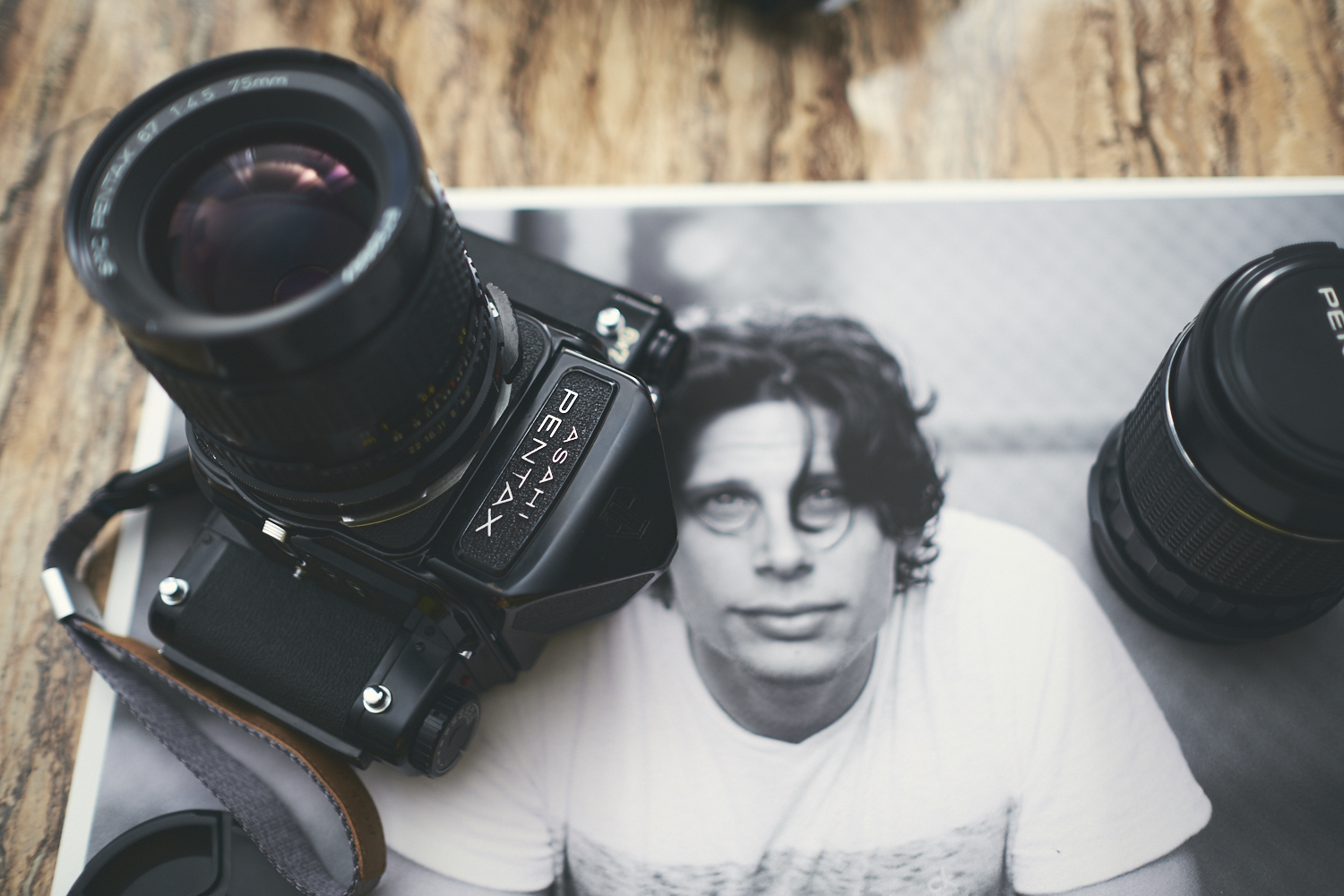
Pentax 67: Obviously, 67 Format
“The Pentax 67 is honestly a fantastic medium format SLR camera. It has found a way into the heart of so many photographers. With a plethora of fantastic lenses, it is surely best used when shooting with natural light outdoors. It’s not the best for studio work and location work with a flash due to the long flash duration of 1/30th. You’ll also want to use wider lenses for something like that.”

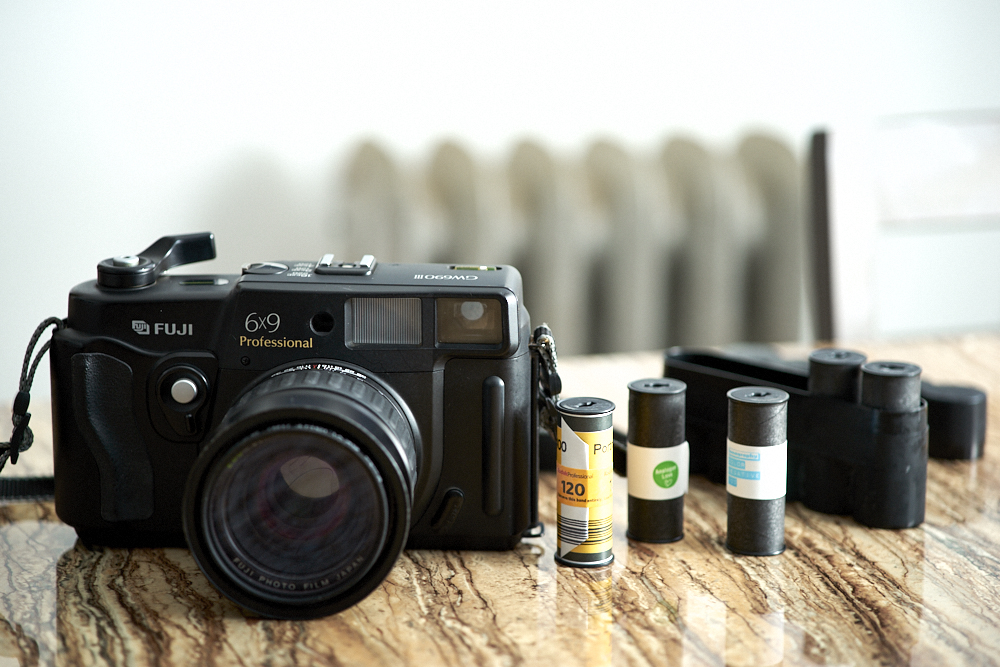
Fujifilm GW 690 III: Big is Beautiful
“I’ve been using the Fujifilm GW690 III for a really long time now. By far, it’s my most used medium format film camera, even over my Mamiya RB67 Pro S. That’s because it’s got a small(ish) size, fantastic lens, rangefinder focusing, and it’s reliable. Sure, you’re only getting eight shots per 120 film roll, but if you’re careful then that’s enough.”

5.12.21

Inside Hasselblad’s Factory: Assembling the Medium Format Magic

Inside Hasselblad’s factory. Image: Hasselblad


What does it take to manufacture a high-end prestige piece of an imaging device, like Hasselblad cameras? Also, what makes those cameras so expensive? Let’s take a look inside the Hasselblad factory to find out.

The first Hasselblad: ROSS HK-7

The first-ever Hasselblad was made by Victor Hasselblad who was approached by the Swedish government with the task of replicating a recovered German aerial camera during World War II. That’s how the first Hasselblad was born. This model was called ROSS HK-7. From 1941 to 1943, a total of 240 HK-7 units were produced, measuring 31x26x17.6cm and weighing 4.8 kilograms with a 13.5cm (135mm) lens attached. The camera featured a basic set of shutter speeds from 1/150 of a second to 1/400 of a second. Take a look at the ROSS HK-7 in the pictures below.

The ROSS HK-7
The transition from analog to digital: “Prices exploded”

When Hasselblad has decided to manufacture digital cameras and transitioned from analog, it faced a significant challenge regarding medium format imagery technologies which caused to huge elevation in pricing. “When the company transitioned to digital, the price exploded” said Hasselblad executives. One of the reasons for those steep prices is that the company didn’t want to abandon its specialty which is the medium format imagery. Thus, producing these huge medium format sensors has resulted in a cost, and there’re no shortcuts. “When medium format technology transitioned from analog to digital, the medium format sensors became extremely expensive, and the camera system became extremely expensive and very niche”, said Bronuis Rudnickas, Global Marketing Manager at Hasselblad.

Inside Hasselblad’s factory. Image: Hasselblad


When medium format technology transitioned from analog to digital, the medium format sensors became extremely expensive, and the camera system became extremely expensive and very niche.
Bronuis Rudnickas, Global Marketing Manager at Hasselblad.
Medium format sensor which costs $26,000

Hasselblad’s high-end cameras consist of three main parts: The digital back, the body, and the lens. The back which includes the sensor costs about 70% of the price of the whole camera (in the case of the flagship H6D-100c costs more than $26,000). The sensor is manufactured by Sony. In fact, this is the IMX 461100MP Sony sensor, which Hasselblad utilizes and adapts for its flagships. Furthermore, Hasselblad spends major quality control resources to verify this sensor meets Hasselblad’s standards (calibration and testing, which resulted from more than 700 images taken by this sensor).

Large-format: Sensor size comparisonHasselblad sensor sizes: X1D II 50C vs. H6D-100c
No mass production

Hasselblad doesn’t mass produce its cameras. It makes them in small batches assembled in-house by hand, one by one. In 2018, The Verge reported about less than 10,000 units manufactured per year, as opposed to other camera manufacturers (Canon, Nikon, Sony, Fujifilm, Olympus) that produce millions of cameras per year. The cameras are being assembled for 6-8 hours and for some cases it may reach up to a few days. However, the sensor calibration process can take up to a third of that time. “Each sensor is calibrated and tested to a single-pixel level, which is very time-consuming and quite unique in this industry,” says Rudnickas.

Inside Hasselblad’s factory. Image: Hasselblad


Each sensor is calibrated and tested to a single-pixel level, which is very time-consuming and quite unique in this industry.
Bronuis Rudnickas, Global Marketing Manager at Hasselblad.
Medium format sensor calibration

“The sensors are calibrated separately from the camera body in a calibration station. Over 700 images are taken, testing the sensor under various settings, and then a specialized software calculates composition parameters and produces calibration files specific to that sensor. That file is later transferred to that specific sensor’s camera. When test shooting with that camera in the final stage, the calibration data is applied to the naked images before the image is stored” says Vivian Gorges which is the Production Leader at Hasselblad. For instance, the X-system is divided into five stages, which the sensor calibration constitutes Lion’s share of it.

Inside Hasselblad’s factory. Image: Hasselblad

Here’re the steps concerning the X models:
Checking for cosmetic issues
Programming the camera and updating it to the latest firmware
Sensor calibration: The major part in the production (see above)
Digital unit test: Adjusting focus, power management, noise, and other parameters
Photo quality tests: Examination in a studio environment against objects, color charts, and more

Here’s a brief look at all that stages:

More affordable Hasselblads

Due to the market demand for large format cameras, Hasselblad has released more affordable entry-level large sensor products. Although these cameras have smaller sensors, they are still considered medium format cameras, like the X1D II 50C which owns a 50MP 43.8 x 32.9mm CMOS sensor. The prices are not so cheap though and reach $6,000. However, it’s still in the high-end segment regarding pricing. Nevertheless, the main issue is the limited video capabilities comparing other flagships, like the Sony Alpha 1, which is located in the same price range. Hasselblad doesn’t offer 8K video, accurate autofocusing, advanced image stabilization, and more video features that are essential to professional videographers, and for that reason, it’s a real challenge to compete with other manufacturers.

Inside Hasselblad’s factory. Image: Hasselblad
Impaired video capabilities

With all that medium format goodness, the video capabilities of Hasselblad cameras are still impaired. The advantages of that huge sensor are not shown when shooting videos in Hasselblad cameras. It seems that the sensor is capable of shooting extraordinary photos, but not videos. A lot of artifacts, like an extensive rolling shutter, low dynamic range, and poor codecs, locates Hasselblad away from being a decent option for professional videographers. Last year, Hasselblad announced firmware Update 1.2.0 for its X1D II 50C and 907X Special Edition which allows recording at resolution 2.7K (2720 x 1530) & HD (1920 x 1080). In this update, the video can be recorded at 29.97 fps with 4:2:0 8bit color. According to Hasselblad, the 2.7K resolution option delivers improved capture of details, whilst balancing the final video capture size.​​ Although the full width of the sensor is used in a 16:9 aspect ratio (43.8 ×24.6), resulting in a massive 50.25 mm image circle which is more than 16% larger than typical full-frame video capture, and nearly double comparing the standard cinematic Super 35, it needs to be emphasized that this is an 8-bit video. Not good enough. The flagship H6D-100c can shoot 4K RAW, however, this is not a real RAW, and the results are poor.

Hasselblad X1D II 50C: Medium -Format video capabilities
Final thoughts

We’ll sum it up by saying that Hasselblad is an amazing camera that is built for real artists. And allow us to quote our previous statement by saying that Hasselblad needs to invest more R&D resources focusing on its video capabilities regarding codecs. Let’s imagine partnering with Atomos for outputting ProRes RAW from this huge sensor. Utilizing an external recorder to output decent video should be the mandatory strategy for Hasselblad, especially in this price range. That will allow Hasselblad to push the envelope concerning medium format video imagery.

 
 YOSSY MENDELOVICH